Single stick RAM beats dual channel gaming
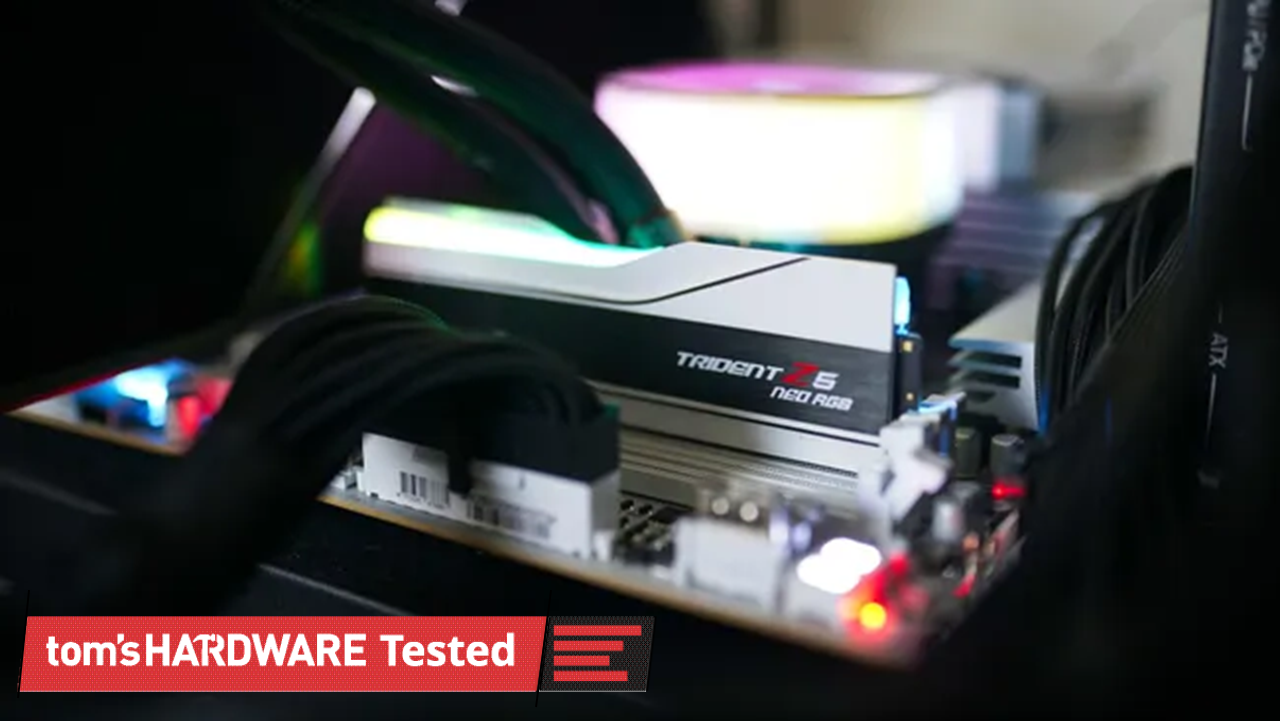
Amid the current frenzy of DRAM pricing, PC builders are exploring a radical alternative: ditching dual-channel memory for a single DIMM of DDR5. This move, suggested by some manufacturers as an option, seeks to provide performance breathing room while navigating escalating component costs. But is this single-stick approach a genuine performance compromise, or just a clever stopgap measure?
Conventional wisdom dictates that reducing the memory stick to a single module halves the memory bandwidth, leading to significant performance drops—a lesson learned from older DDR generations. However, when examining the relationship between single-DIMM DDR5 and modern CPUs, the performance hit is surprisingly minor. Testing reveals that this approach often yields superior results compared to dual-channel DDR4, particularly on systems utilizing Intel and AMD processors.
Specifically, the performance trade-off is far less dramatic than expected. Across various testing scenarios involving both Intel and AMD CPUs, performance losses were generally held to around 8% to 10%. Even in more demanding gaming titles, the difference between a single DIMM setup and a dual-channel configuration often vanishes when factoring in the overall system performance.
The results highlight an interesting dynamic across different architectures. While general CPU setups saw moderate drops, AMD’s Zen 4/Zen 5 processors, especially those featuring technologies like 3D V-Cache, demonstrated remarkable resilience. For example, high-end chips like the Ryzen 7 9800X3D showed minimal performance degradation, often matching dual-channel performance and minimizing the impact of using a single DIMM.
This is partly due to how DDR5 operates. Unlike previous generations where only a single 64-bit transfer was possible per cycle, DDR5 utilizes two independent 40-bit subchannels. This pseudo-dual-channel capability means that even a single DIMM can execute multiple memory operations simultaneously, effectively outperforming traditional dual-channel DDR4 configurations in certain scenarios.
While the performance gains are appealing, the real complexities lie in compatibility down the line. Using a single DIMM now is a tactical choice, offering immediate cost relief and a smooth entry into the faster DDR5 ecosystem. However, if you plan to expand your system later, mixing and matching memory modules without proper pairing can introduce instability or performance bottlenecks.
To ensure stability when adding a second module, experts strongly advise careful planning. Stick to using identical memory kits from the same manufacturer. When introducing a second DIMM, run thorough stability tests using tools like MemTest64, starting with stock JEDEC speeds before enabling XMP/EXPO profiles. This measured approach helps guarantee that your system remains stable whether you choose a single-DIMM or full dual-channel configuration.
Buy on Amazon
Credit