Tim Cook fights ‘flood’ over memory pricing expects more costs
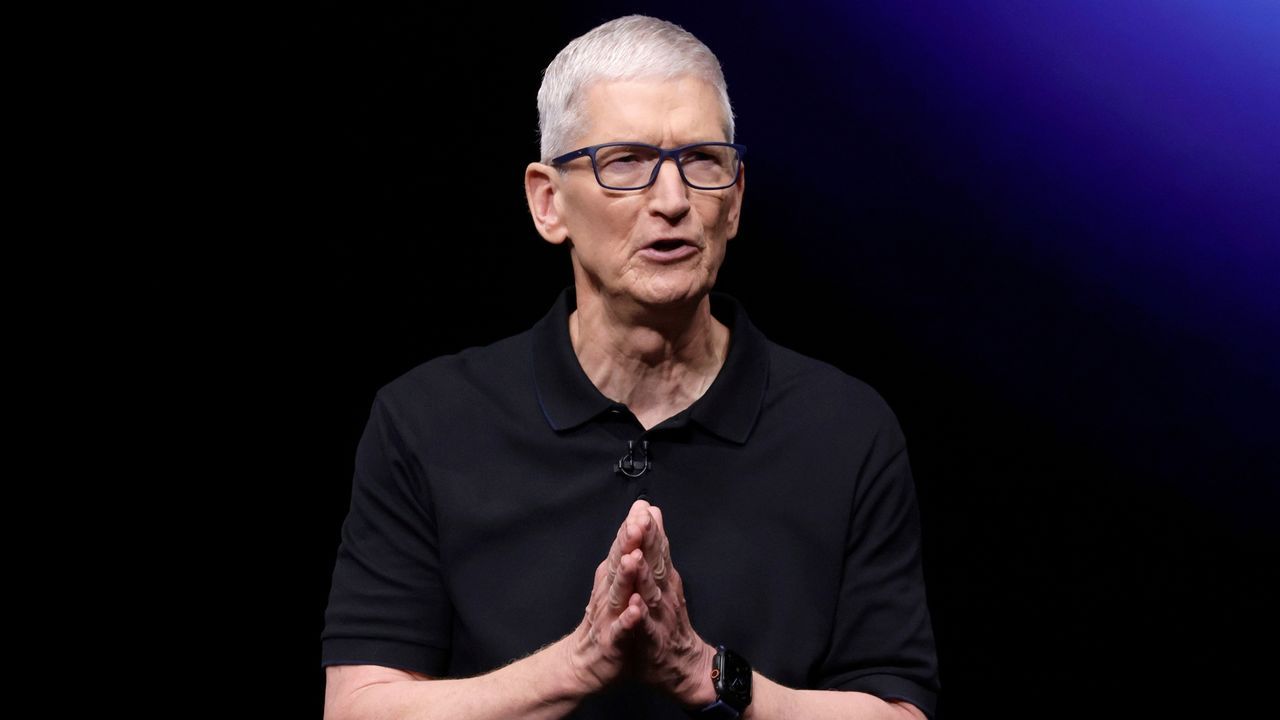
Apple is facing a colossal squeeze in the memory market, where soaring demand for AI infrastructure is driving prices higher than ever before. In the latest financial outlook, CEO Tim Cook revealed that the company will face even greater costs for memory in the September quarter than in the previous quarter, a situation he dramatically described as a “hundred-year flood on the memory pricing.”
This intense market pressure has directly impacted Apple’s profitability. Memory costs alone accounted for more than the entire sequential decline in Apple’s adjusted gross margin. While the company navigated these pressures, financial analysts noted that this dynamic is reshaping the cost structure of consumer electronics.
The story goes deeper when looking at inventory. As the market surged, Apple built up a significant stockpile of components. At the end of June 2025, the company held $11.09 billion in inventory, an increase of 87% year over year. This massive build-up required substantial cash expenditure—$5.46 billion consumed over nine months to secure this position.
However, the benefit derived from carrying this inventory is not limitless. CFO Kevan Parekh explained that the advantage Apple gains from this built-up stock will diminish after September. The situation highlights a critical trade-off: while volume sales increased, the rising cost of essential components has become an undeniable factor in the bottom line.
Apple‘s gross margins reflected this challenge; they stood at 49.3% in the March quarter and 48.1% in June. Experts attributed much of the margin squeeze to memory costs, though other factors, such as tariff refunds and overall product revenue growth, also played a role. Despite rising revenue of $78.68 billion, Apple guided its September gross margin to remain strong at 47% to 48%.
Meanwhile, the supply side remains highly competitive and complex. Memory manufacturers, like SK hynix, are managing intense operational demands, while market forecasts suggest that conventional DRAM contract prices are set to climb further, potentially by 13% to 18% in the third quarter of 2026. This indicates that the scarcity is not expected to ease quickly.
Beyond pricing, Apple is grappling with geopolitical complexities concerning its supply chain. The company is exploring options for sourcing flexibility, navigating a market where there are multiple suppliers and shifting global trade dynamics. This pursuit of diverse supply chains underscores the strategic necessity of securing components in an increasingly fragmented world.
Furthermore, tensions over access to critical materials have brought external pressures into focus. Reports indicate that Apple has begun testing DRAM for devices sold in China while simultaneously lobbying Washington regarding broader access to memory chips from suppliers like CXMT and YMTC. This complex interplay between market forces, supply chain logistics, and international relations defines the modern challenge facing technology giants.
Buy on Amazon
Credit