
WoW devs reflect on Midnight’s season without AddOns and task overload
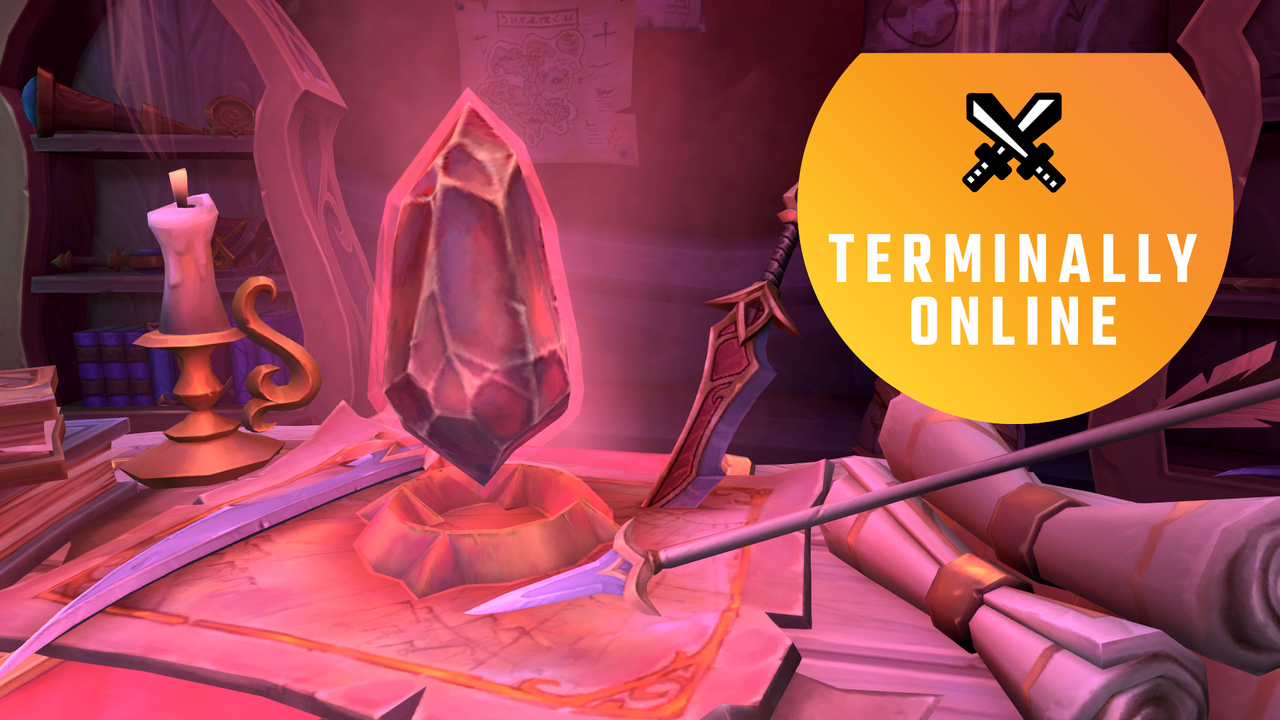
The world of massive multiplayer online games is constantly evolving, but few expansions force players to re-examine the very foundations of what makes an MMORPG tick. World of Warcraft’s recent expansion, Midnight, is a perfect case study: a bold experiment in design that balances ambitious new systems with the familiar demands of an established universe.
While the initial launch dazzled many players, the true test of any major update lies in the patch content—the changes that stick with us long after the initial hype fades. In Midnight’s case, the narrative arc has been a bit mixed, demonstrating that even brilliant concepts can sometimes stumble over execution. Yet, beneath the surface complexities, there are undeniable innovations worth celebrating.
One of the most dramatic shifts involved the removal of combat addons, an adjustment that fundamentally altered how players approach gameplay. This decision spurred major redesigns across various classes and specs, pushing Blizzard to rethink core mechanics entirely. It was a pivot away from external computational help toward internal mastery, demanding that players rely more on positioning, memory, and communication.
However, this shift didn’t happen in a vacuum. Midnight introduced features that proved genuinely exciting. The integration of player housing, allowing players to build and customize their own spaces within Azeroth, knocked it out of the park, offering an unprecedented level of personal investment. Furthermore, new mechanics like the Prey overlay emerged as a standout feature, injecting fresh, outdoor challenges into the world questing experience.
When diving into encounter design, developers embraced this new paradigm. Encounter designers found joy in creating puzzles and challenges that rewarded social interaction rather than relying on complex external tools. They experimented with mechanics—like the runes and symbols mechanic in encounters—that forced different player groups to develop unique strategies based purely on communication and collective memory.
This focus on pure engagement extends beyond combat. The narrative elements, particularly the revamp of Silvermoon, were described as strikingly beautiful, offering players a stunning visual journey back into a beloved region. This blend of beautiful world-building and challenging gameplay truly elevates the experience.
However, even amidst these successes, the relentless pace of development presents a persistent challenge for MMOs: managing player expectations. With numerous currencies, daily quotas, reputation systems, and endless content demands (delves, raids), there is a risk that the game’s momentum can lead to feelings of overwhelm.
Developers acknowledge this tension, noting that they strive to cater to diverse playstyles while simultaneously driving engagement. The challenge lies in balancing the desire for constant novelty—the push for grinding and collecting—against the need to provide a sustainable experience. Finding that sweet spot between providing endless opportunities and avoiding needless FOMO remains the central tightrope walk for large-scale online worlds.
Ultimately, World of Warcraft’s journey with Midnight showcases an organization willing to shake things up, even if the process is sometimes bumpy. By prioritizing new gameplay paradigms—from world-based exploration to social encounter design—Blizzard continues to push the boundaries of what an MMO can be, leaving players with a continually evolving and deeply interactive universe to explore.
Buy on Amazon
Credit

