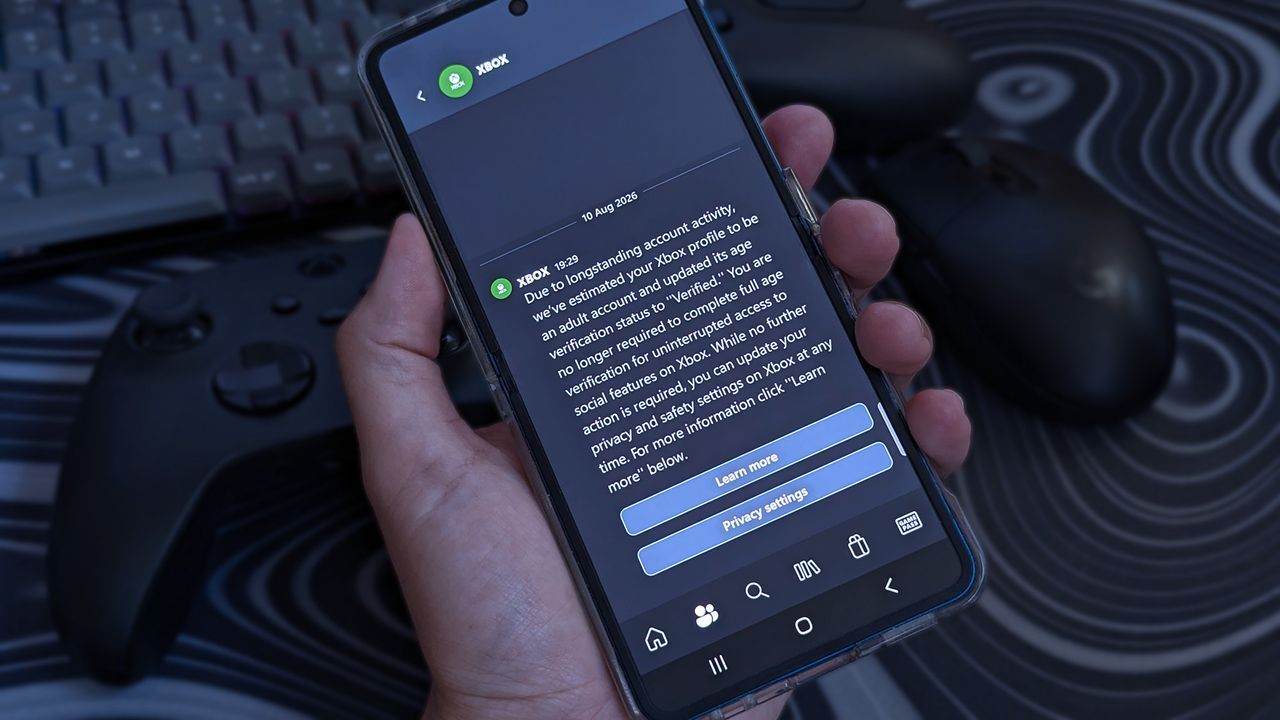
Xbox recognizes your activity clearing age verification
Navigating the digital landscape often means dealing with mandatory hoops—and right now, the age verification requirements imposed by platforms like Xbox are a prime example of this friction. In regions such as the United Kingdom and Australia, users are frequently asked to confirm their age to access certain features, a necessity that brings up thorny questions about data privacy and how much control we truly have over our personal information.
While governments inevitably set rules, what often frustrates users is the mechanism used for enforcement. The initial rollout of these systems sometimes involved reliance on faceless third parties to verify sensitive personal details, raising immediate concerns about where that information was going and how securely it was managed. For many, this felt less like a security measure and more like an unnecessary hurdle.
Fortunately, in the ongoing quest for digital convenience, a solution has emerged that offers a welcome reprieve. After some time, users who have patiently held out on completing full age verification are now finding that their account activity itself is sufficient to bypass the formal checks. The system seems to have recognized the context of established user profiles.
This shift means that users are no longer forced into lengthy, manual processes simply for uninterrupted access to social features. For instance, some holdouts have recently received confirmation that their Xbox profile has been automatically estimated as an adult account and their age verification status updated accordingly. This digital shortcut provides immediate access without the need for further formal action.
This breakthrough is generating a buzz across online communities. Discussions are lighting up forums where users share their experiences, confirming that others have also found this path to seamless access. The frustration over mandatory checks is giving way to satisfaction that the system has adapted to user reality.
The underlying sentiment of this development touches on a broader public concern: the careful handling of sensitive data. Whether it is biometric information or simply age, there is an understandable desire to ensure that when we interact with technology, we are not simply handing over personal details without sufficient oversight. This situation highlights the need for platforms to balance regulatory compliance with user experience and privacy.
Ultimately, this development represents a small but significant victory. It demonstrates that even when mandates exist, clever adaptations can lead to smoother, more intuitive digital experiences. Hopefully, this model of automatic verification will be rolled out quickly across other markets requiring similar age checks, setting a new standard for how technology interacts with user autonomy.
Buy on Amazon
Credit