
The 8088 engine that drove 45 years of x86 dominance
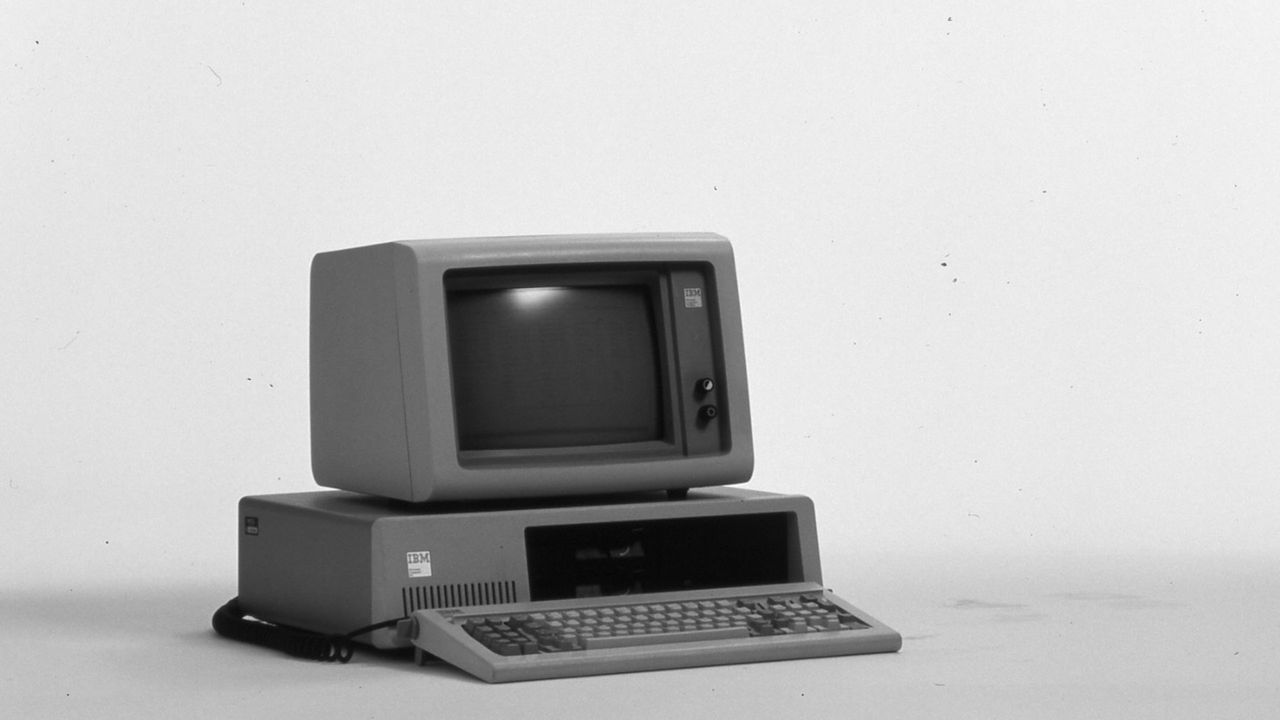
Forty-five years ago, the world of personal computing didn’t just get a new operating system; it got a foundational shift in architecture. In August 1981, when the IBM PC Model 5150 launched, it marked the true beginning of the PC age, and that revolution was powered by a clever design choice made inside the silicon: the Intel 8088 microprocessor.
This moment wasn’t just about hitting a date; it was an economic masterclass. While the more technically advanced Intel 8086 processor had introduced the initial x86 architecture, it was the 8088 that won the deal for IBM. The key lay in economics and logistics. The 8088 design cleverly streamlined the external data bus, effectively halving its width to accommodate an 8-bit structure. While this meant a slight performance compromise compared to the 8086, the resulting cost savings were massive.
This affordability was crucial for IBM. By selecting the 8088, IBM was able to configure the Model 5150 with common components, making the system accessible to the masses and kicking off a decades-long dominance of PC compatibles.
The ripple effect extended far beyond hardware. The software ecosystem that ultimately fueled this revolution was built around the 8086 architecture. In the years following its introduction, creators developed essential third-party tools like WordPerfect, Lotus 1-2-3, and dBase for x86. This abundance of accessible software ensured that the IBM PC was not just a machine, but a fully functional computing platform from day one.
Intel’s influence extended across the entire landscape of processor manufacturing. Over time, a diverse canon of x86 chip designers emerged, including giants like AMD and Cyrix, alongside companies such as NEC, Texas Instruments, IDT (Centaur Technology), and others. This vibrant competitive environment ensured that innovation continued to flow.
As Intel looked toward the future, they reaffirmed their commitment to the legacy of the PC era. Looking forward from that foundational moment, the company has consistently emphasized building upon this history as it moves into the age of artificial intelligence, looking forward to continuing that teamwork for decades beyond.
Buy on Amazon
Credit

