CPU Surgery: Enthusiast fixes ripped pin and achieves 33% overclock
The Resurrection of a Forgotten Chip: How One Enthusiast Brought an Ancient CPU Back to Life
There are chips that are just components, and then there are chips that become relics. The Intel Celeron 1200, a piece of silicon from the bygone era, was one of the latter. It lay dormant, looking less like a processor and more like a casualty of time. But for a dedicated hardware enthusiast, this seemingly dead piece of hardware offered not just a repair project, but a fascinating challenge: bringing a quarter-century-old chip back from the brink.
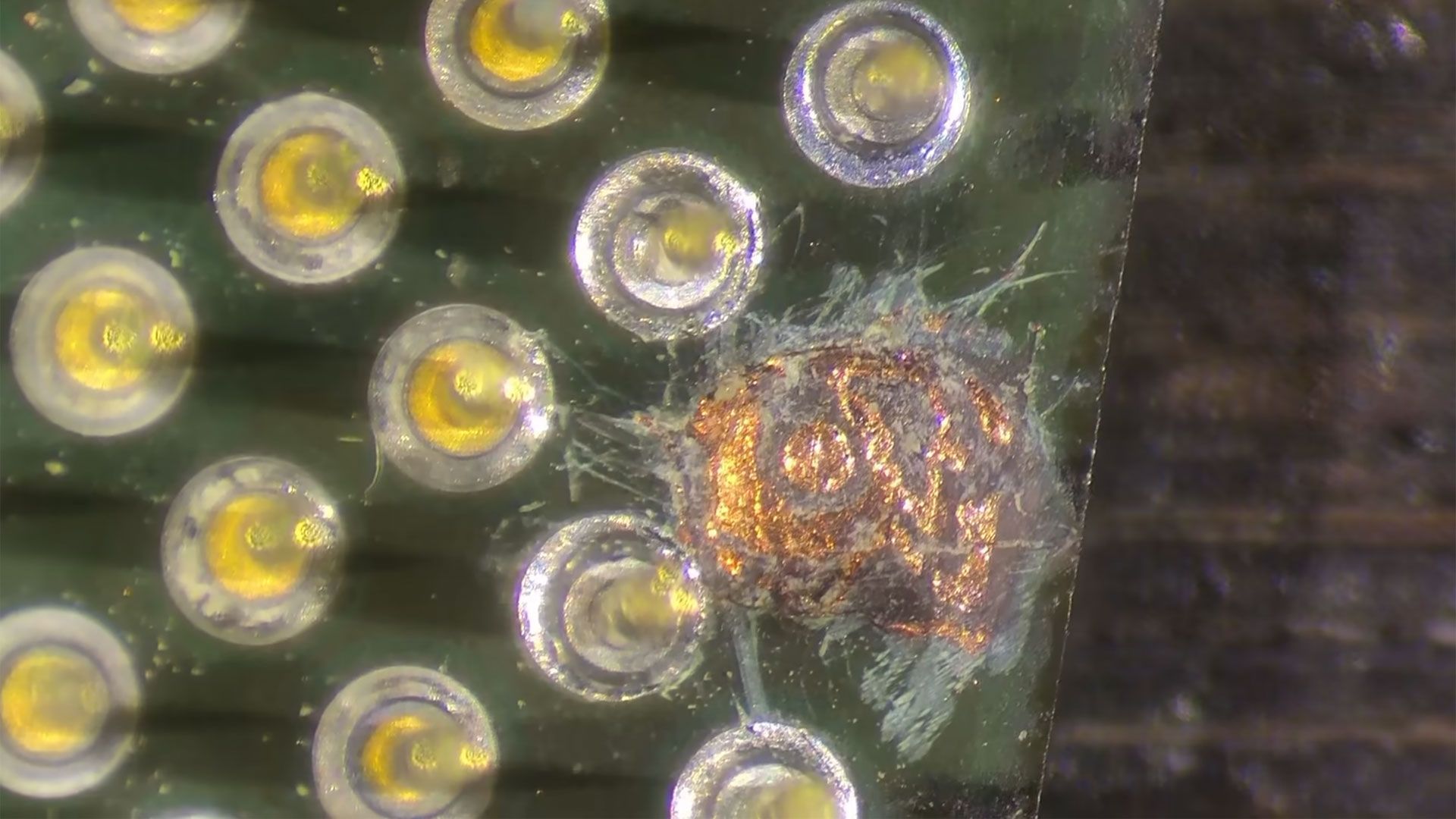
The challenge was severe. The Celeron 1200 suffered noticeable damage, with a critical pin missing and the underlying connection pad ripped away. A system built around this compromised CPU simply refused to boot. It was a classic deadlock—a functional disaster that demanded more than just a simple replacement. The repairer had to delve deep into the substrate, navigating the intricate landscape of the chip’s internal structure to find a solution.
This was no easy fix. The missing pin was identified as a data pin, meaning the repair required precise intervention. To restore functionality, the enthusiast had to meticulously prepare the area, applying solder mask to protect the surrounding copper planes while ensuring the new connection was isolated and clean. It was a delicate operation, requiring an eye for detail that turned the repair into a precise, artistic endeavor.
The solution involved creative resourcefulness. Rather than starting from scratch, the technician harvested a donor pin from another, broken Tualatin chip. With the damaged processor under repair, the process shifted to adding flux and then carefully ‘tinning’ the central circular copper area. The donor pin was perfectly positioned, and after carefully mating the repaired processor back into its socket, everything aligned cleanly.
The moment of truth arrived when the system was powered up. With no immediate errors, the repaired processor-packing PC system booted successfully. It was a monumental victory for the tinkerer, marking the first time they had successfully repaired such a grave processor pin issue. The success wasn’t just about getting the machine running; it was about restoring a piece of electronic history.
The final touch was performance optimization. Once stability was confirmed, the enthusiast pushed the limits of the restored Celeron 1200, successfully overclocking it by 33%. The chip stabilized at a respectable 1,600 MHz, proving that even aging silicon can be coaxed back to life and given a vigorous second act.
Buy on Amazon
Credit
