TeraFab hits roadblock and faces trademark lawsuits
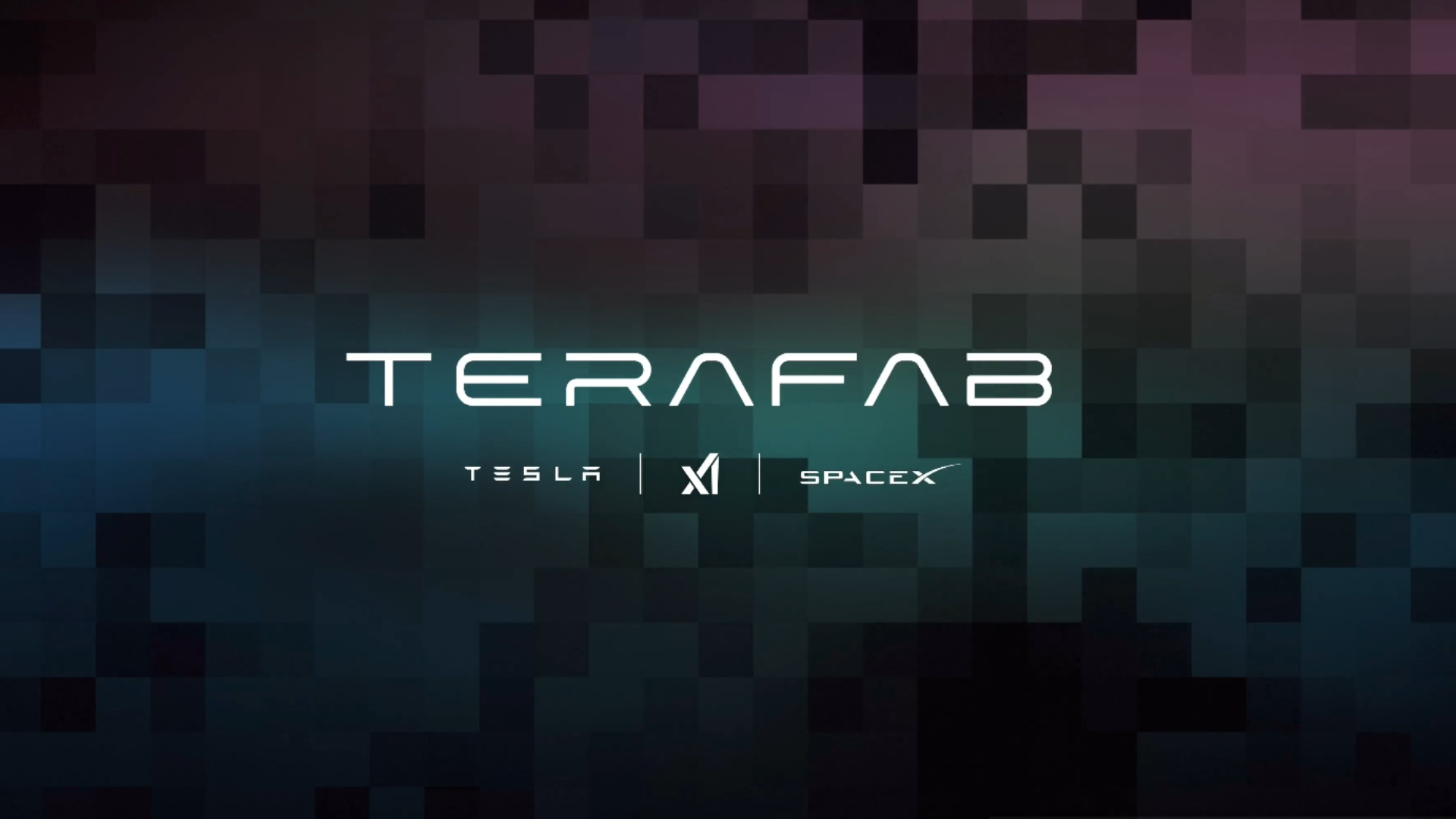
When you think of the cutting edge of technology, you think of the immense scale of companies like SpaceX and Tesla, pushing the boundaries of AI, automotive, and space exploration. Yet, in the high-stakes world of semiconductor fabrication, a rather small dispute has stalled ambitions: a clash over a simple brand name, Terafab.
The irony is that the roadblock was thrown by a small, U.S.-based company called Tera-Print. While the behemoths were aiming for the stars, Tera-Print had been quietly operating for a decade, holding the trademark for the name Tera-Fab.
The conflict began when Tera-Print sent a cease-and-desist letter to SpaceX and Tesla in May, demanding they stop using the Terafab name. This was a tabletop-sized legal battle that turned out to have seismic implications for how we define industrial intellectual property.
To understand the friction, one must look at what each entity claims. Tesla and SpaceX are leveraging Terafab for the production of custom semiconductor chips, memory chips, and integrated circuits—the core components powering advanced AI, robotics, and future space applications. Their focus is on high-volume chip manufacturing.
In contrast, Tera-Print’s focus is entirely different. They use the name Tera-Fab for highly specialized tools: beam pen lithography instruments used in bioengineering and prototyping microfluidic devices. Their tools allow for the precise printing of materials at the nano-scale, focusing on molecular synthesis and advanced material printing.
This difference in focus is where the legal complexity lies. While both names share a root, their trademark scope covers entirely different technologies. Tesla’s Terafab pertains to the manufacture of silicon and microchips, whereas Tera-Print’s Tera-Fab covers photolithography instruments and advanced material synthesis systems.
The legal scrutiny uncovered that the terms, while related in a broad sense, fall into distinct trademark categories. One covers semiconductor manufacturing and distribution, while the other covers precision printing and material science tools. This distinction is critical when assessing whether the two operations are truly operating in the same sphere.
Despite the legal complexities, the companies reportedly entered settlement talks. While Tesla made an initial offer, Tera-Print maintained its position, arguing that the related fields of operation create a high risk of consumer confusion. They asserted that their registered trademark must be defended, suggesting that the overlap in related fields makes the dispute unavoidable.
Ultimately, this saga serves as a fascinating reminder that even in the world of futuristic technology, the foundational elements of commerce—trademark law and the definitions of what a brand represents—must be meticulously defined. The battle over a simple name proves that even the most ambitious ventures must navigate the fine line between innovation and intellectual property.
Buy on Amazon
Credit