DNA computer calculates without electricity using self-assembling strands
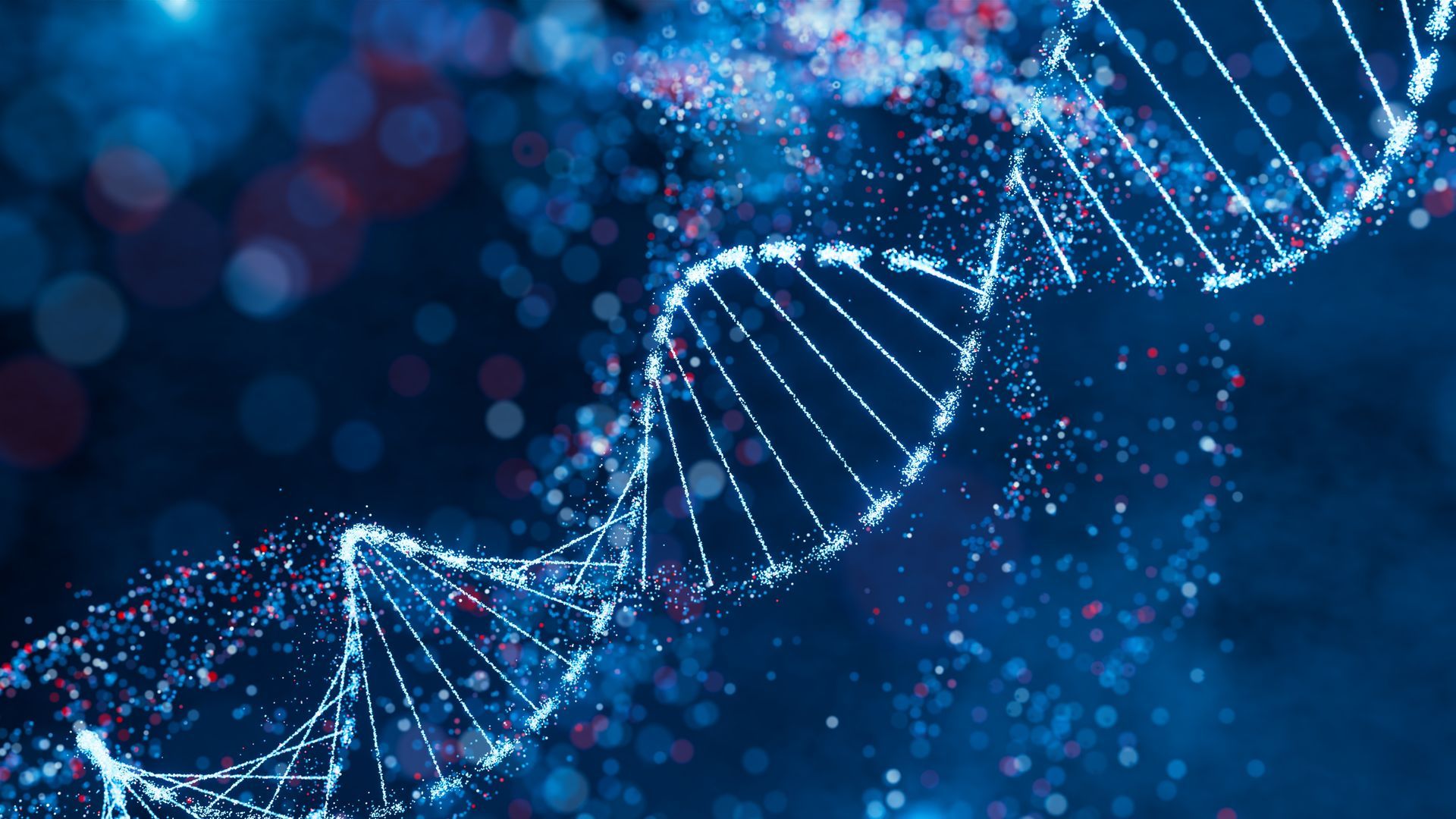
Imagine a computer that runs entirely on the blueprint of life. This isn’t science fiction; it is the cutting edge of molecular engineering, and a team of researchers in Ireland has just demonstrated that the very structure of DNA can be harnessed to perform complex calculations—creating a truly revolutionary DNA molecular computer.
The system, dubbed the Scaffolded DNA Computer (SDC), is one of the most complex and fastest molecular computing systems ever devised. By treating the genetic code as the physical hardware, the team has opened up entirely new avenues for computation that bypass the limitations of traditional silicon technology.
How do these microscopic strands calculate? Unlike traditional computers that rely on switching electrical voltages between 1 and 0 using transistors, the SDC operates on the elegant chemistry of DNA. The researchers used a technique called DNA origami to weave long primary strands with hundreds of shorter, custom-synthesized “staple” strands. When these strands are combined and subjected to specific thermal energy, they self-assemble into a highly organized, microscopic computing grid, with the long strand acting as the essential structural scaffold.
The actual computation happens through molecular rearrangement. Information is written directly into the DNA sequences. When the system is heated, the thermal energy kicks off chemical reactions, causing the DNA strands to rearrange. As the molecules naturally settle into their most stable configuration, they mathematically solve the programmed algorithm, with the final structure representing the correct answer.
The system doesn’t require a single watt of electricity to function. It runs purely on chemical reactions, offering a radical solution to the global challenge of energy-efficient computation. This shift from electrical switching to molecular rearrangement promises incredible potential for long-term data storage and dramatically reduced energy consumption in future computing systems.
The potential applications are vast. Beyond theoretical computation, researchers suggest that molecular systems like this could eventually operate inside cells, opening doors for breakthroughs in areas like sophisticated disease detection. This approach eliminates the need for complex error-correction software, relying instead on the immutable laws of physics.
The success of the team in executing 10 different molecular programs, including complex 100-bit calculations, proves the viability of this technology. It is a testament to how nature’s own code can be programmed into powerful, energy-free machines, paving the way for a future where computation is as organic and efficient as biology itself.
Buy on Amazon
Credit
