Fear of Risk: The Games Industry’s Biggest Threat
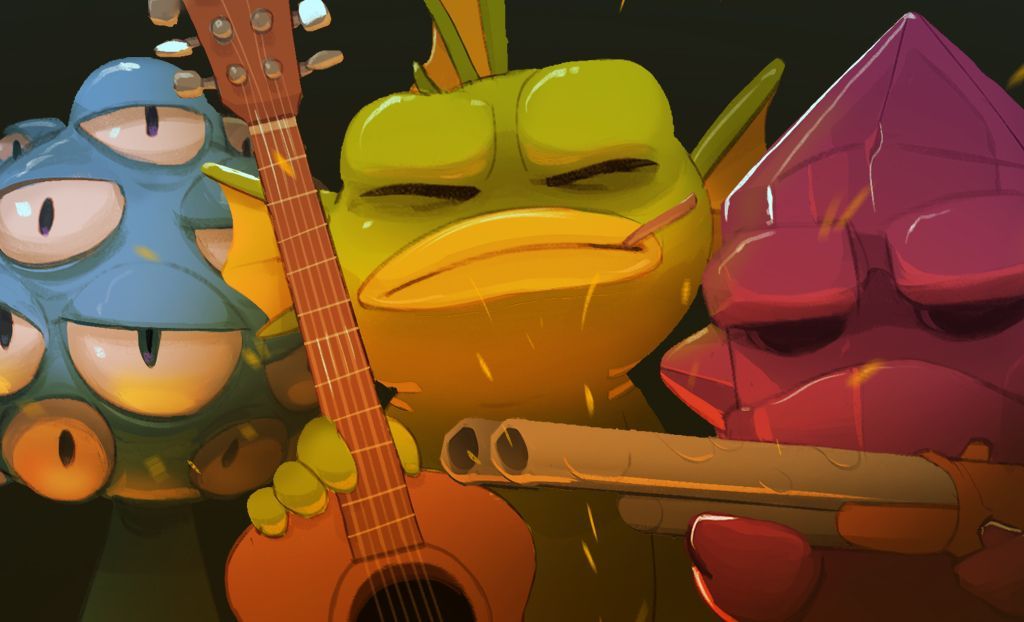
In an industry where budgets are soaring and competition is fierce, the modern video game landscape is defined by a stark choice: risk or reward. As publishers chase massive profits, there is an increasingly noticeable trend toward playing it safe, focusing on sequels to proven franchises or shiny remakes of classic titles.
This conservative strategy has become a hallmark of major players, exemplified by Xbox’s focus on established behemoths like Halo, Fallout, and The Elder Scrolls. But this quest for safety isn’t just about game design; it has brought a deeper internal tension to the industry.
Behind these strategic pivots lies a more painful reality: corporate restructuring, including layoffs and studio tie-ups being severed. While these moves aim for financial stability, they also highlight a fundamental anxiety gripping the development world—the fear of failure.
This aversion to risk is ironically working against growth. A recent workgroup convened by industry leaders sought to tackle this cultural roadblock, aiming to put creativity back at the heart of game development and financing. Their conclusion was striking: the industry’s general fear of failure is, in fact, the largest inhibitor to success.
The fear itself acts as a creative chokehold. As one leader put it, many fearful reflexes tend to sand down the rough edges of creative work, resulting in homogenous and bland games that merely check all the boxes without offering genuine inspiration. For true hits, whether in funding, publishing, or marketing, courage has consistently been the defining factor.
Looking at recent successes offers a counter-narrative to this fear. Games like Peak, the innovative social game Balatro, and the critically acclaimed Clair Obscur: Expedition 33 demonstrate that genuine success often stems from reflecting personal tastes and creative beliefs, rather than simply chasing market analysis or following trends.
The lesson is clear: avoiding fear-driven development can sometimes lead to stagnation. While cautious planning has its merits, refusing to pursue ambitious ideas can mean letting brilliant concepts die prematurely, allowing multiple years and millions of dollars to be spent chasing fundamentally flawed visions.
The most compelling evidence that risk pays off often comes from the unexpected corners of the market. A recent example of this phenomenon was Meccha Chameleon, a multiplayer hide-and-seek game that generated more revenue in June than almost every other title, making waves by prioritizing unique, engaging gameplay over established expectations.
Buy on Amazon
Credit