RPGs need romanceable companions A debate
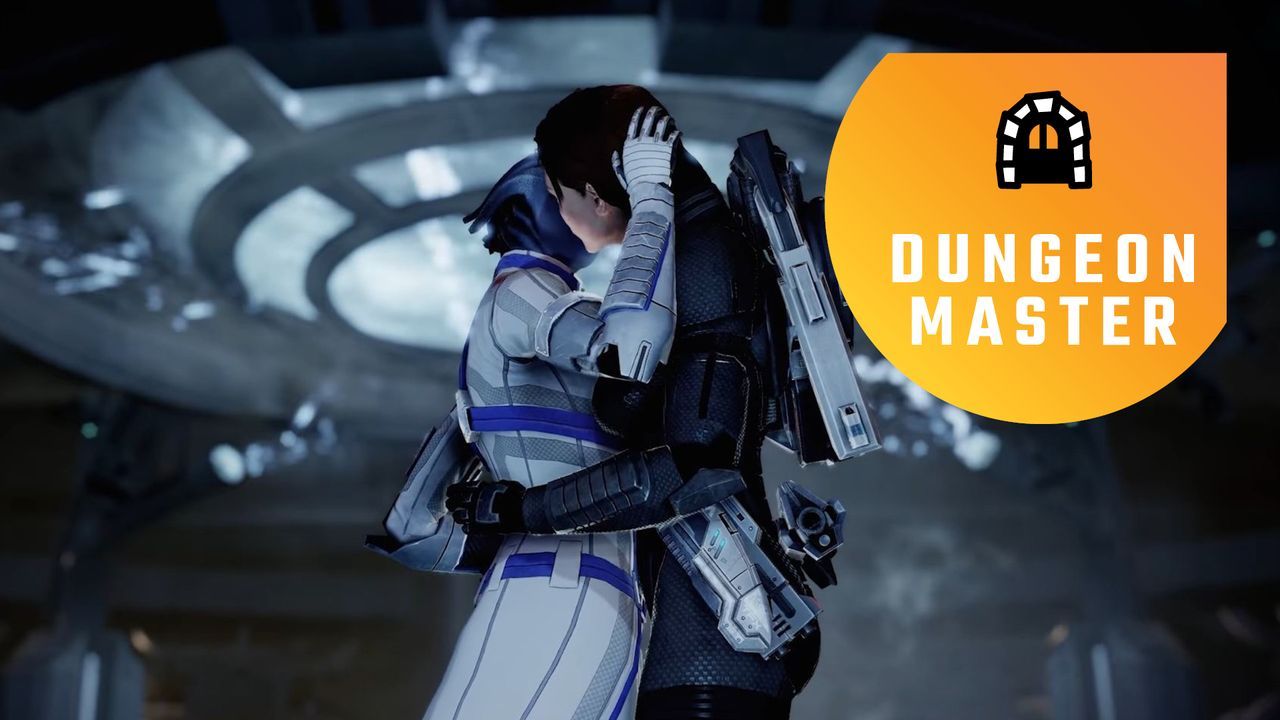
Videogames have always faced a subtle challenge when it comes to romance. While they excel at explosions, dragons, and alien invasions, the language of love has often remained elusive. Yet, as game development continues to push boundaries, the absence of romance in many RPGs is starting to be noticed, prompting a major discussion about what role relationships should play in sprawling digital worlds.
This conversation is deeply tied to the legacy of BioWare. They were instrumental in codifying the concept of romanceable companions within the RPG genre, starting with titles like Baldur’s Gate 2. This tradition established a format that has become incredibly familiar, influencing subsequent games and setting a certain expectation for players.
But the central question remains: is this focus on romance truly essential for an RPG experience? While some argue that it is a necessary feature, others contend that it often serves as a distraction rather than genuine narrative depth. The answer seems to depend entirely on how developers choose to handle the emotional core of their storytelling.
BioWare’s approach, while setting a precedent, sometimes prioritized mechanical fulfillment over organic character development. In series like Dragon Age, relationships—such as that between the Grey Warden and Morrigan—proved vital to the overarching plot and deepened our understanding of complex characters. Similarly, the relationship with companions in Mass Effect offered nuanced interactions, though some companions, like Liara, presented a less developed emotional arc.
The experience across trilogy games also highlights the tension inherent in formulaic design. The relationships can often feel like a set of defined conversations and predictable outcomes, occasionally settling for convenient moments over true emotional evolution.
However, newer titles are pushing for a richer, more interactive relationship system. In Baldur’s Gate 3, Larian explored relationships with far greater depth, moving beyond simple dialogue trees to weave connections into the fabric of the gameplay. These interactions are tested and can introduce real friction within the party, making the emotional stakes feel significantly higher.
This modern approach shifts the focus from mandated romance to organic storytelling. It allows relationships to be woven throughout the game’s narrative, rather than relegated to brief encounters before a climactic scene.
Even when handled well, the drive toward convention can lead to homogenization. When romance becomes merely a box to be checked—ensuring that every character is conveniently pansexual or available for player interaction—the emotional weight diminishes. The purpose of a relationship should be to enhance the story, not just satisfy an expectation.
Some games lean into this mechanical approach for comedic effect, demonstrating that systems can be purely mechanical without needing deep emotional investment. For instance, some titles treat romance as an amusing bonus rather than the central pillar of the narrative.
Ultimately, whether romance belongs in an RPG hinges on execution. The goal should be to create meaningful connections that enhance the world and character arcs, rather than relying on established tropes simply because they are convenient. As players continue to demand more from their digital adventures, developers have the opportunity to evolve how love is written, ensuring that relationships enrich the adventure, instead of just adding another layer.
Buy on Amazon
Credit