Shinji’s heartbreaking voice calls for action against AI cloning
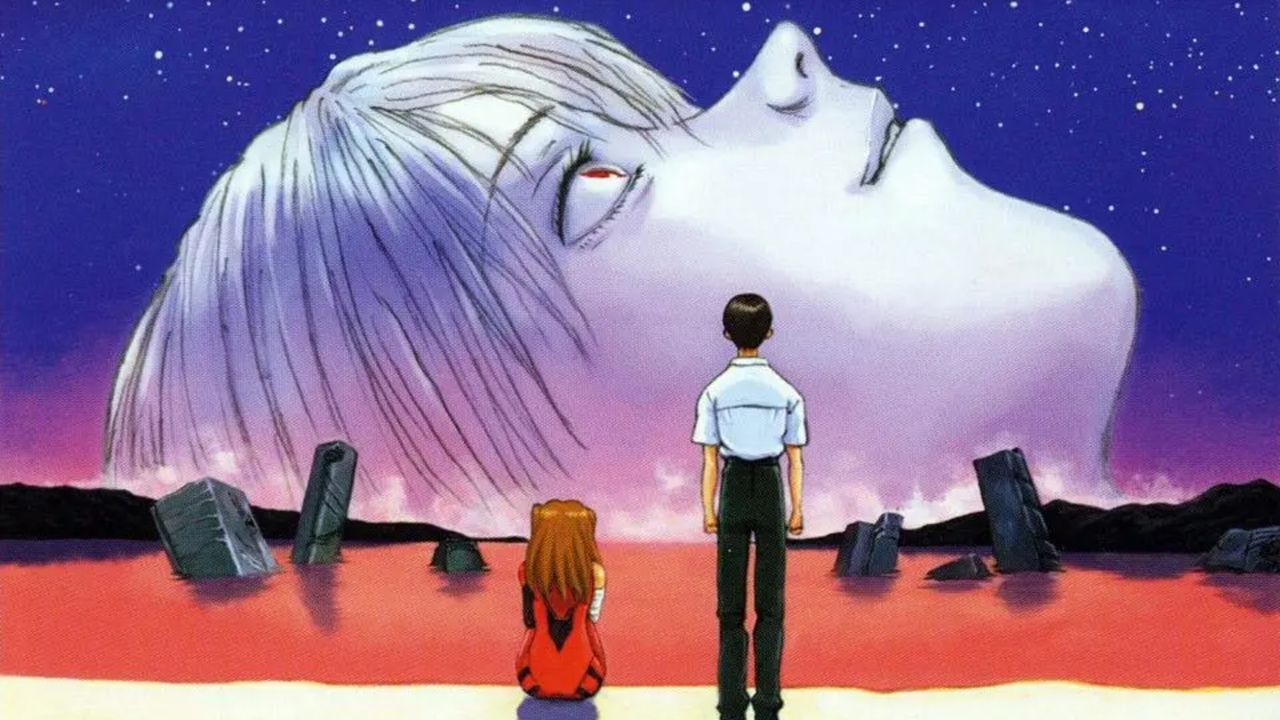
The digital age has brought incredible tools, but lately, some innovations feel less like progress and more like a creeping infringement on personal identity. At the heart of this tension is the rapidly evolving world of artificial intelligence voice generation, and the deeply personal heartbreak felt by some of Japan’s most respected creative voices.
Veteran voice actor Megumi Ogata, known for iconic roles in franchises like Neon Genesis Evangelion and Danganronpa, recently opened up about the emotional toll of unauthorized AI voice imitation. Speaking to media outlets about this phenomenon, Ogata stressed that her voice is fundamentally tied to her identity.
“My voice is a part of my identity,” she stated. “I really don’t understand why somebody would want to make me say things that I don’t want to say as they please and then sell it as my own voice. It’s heartbreaking.”
This personal frustration highlights a much larger systemic gap. Ogata pointed out the difficulty for Japan, often called a content superpower, in establishing clear content guidelines or asserting its policy regarding these uses. She questioned why there isn’t a framework in place to protect creators from infringement.
The issue extends far beyond individual artists. Ogata’s concerns resonate across the creative sphere, linking up with other prominent figures who have voiced similar anxieties about the misuse of AI technology. Collaborators like Wes Johnson, another voice actor, have similarly warned that anyone attempting to clone an actor’s voice without consent is acting wrongly.
Similarly, figures in the gaming industry are demanding accountability. Jennifer Hale, a veteran actor, has called on studios to take responsibility for their use of AI technology, noting that the cloning of voices involves more than just job displacement—it touches upon identity itself.
The line between professional and amateur creation often blurs in this technological landscape. While some focus on corporate automation, Ogata, Johnson, and others have zeroed in on content creators and modders who are engaging in these practices, regardless of monetary gain. The feeling that someone can steal a voice to facilitate a seemingly innocent shitpost is undeniably creepy.
Ultimately, the conversation forces a reckoning: as AI becomes an omnipresent force, the crucial next step for nations and industries like Japan will be establishing firm rules that respect not just intellectual property, but the very sonic identity of its creators.
Buy on Amazon
Credit