Soft Steel Nozzles Cause Chaos in Prusa Prints
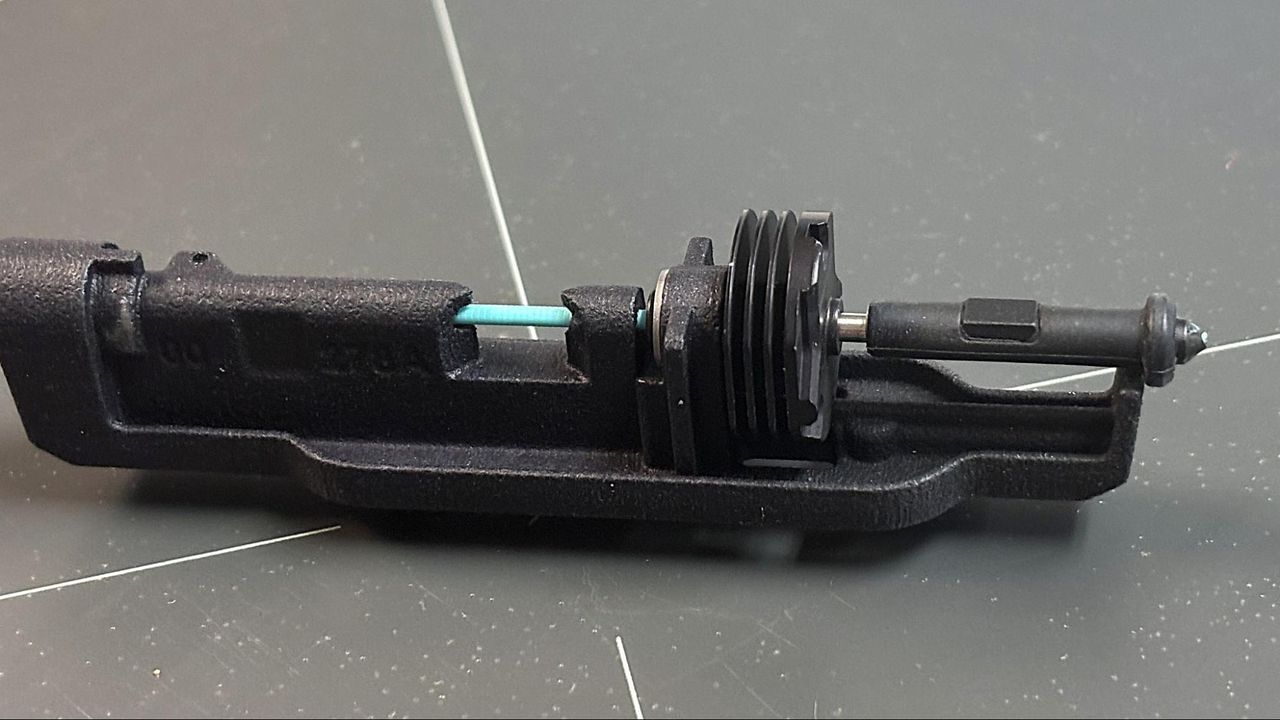
The pursuit of precision in 3D printing often involves pushing the boundaries of material science, but sometimes, the excitement of innovation bumps up against a frustrating reality. For those who have invested in cutting-edge hardware, the recent drama surrounding the Prusa CORE One+ INDX system serves as a perfect case study in how crucial quality control can be—and how quickly promises can turn into problems.
At the heart of the issue is Bondtech, the inventor of the revolutionary INDX toolchanger. When they advertised their system with nozzles made of hardened steel, expectations were set for unparalleled durability and performance. However, recent revelations have shown that these vital components are merely surface-hardened, not fully hardened as initially promoted. This discrepancy has forced a significant pause in the project.
Recognizing this gap between promise and reality, Prusa Research took decisive action. They announced a delay in shipping INDX conversion kits until mid-August, prioritizing customer confidence over immediate delivery. This decision allowed the company to gather clearer information while figuring out how to resolve the quality concerns surrounding the nozzles.
The technical details reveal just how subtle this difference is, yet how significant it can be. Bondtech’s nozzles are made from nitrocarburized steel, which offers superior toughness compared to standard brass nozzles, but they fall short of the strict standards set for true hardened steel—a material typically measured between 55-60 on the Hardness Rockwell C scale (HRC). While mid-tier steel performs exceptionally well for most printing tasks and lasts a long time with non-abrasive filaments, the situation changes dramatically when introducing abrasive materials.
Engineers found that while these nozzles held up reasonably well to five kilograms of carbon fiber PETG, they began to experience “accelerated wear” once subjected to abrasive filaments like glass-fiber, glow-in-the-dark, or metal-filled plastics. This highlighted the real performance bottleneck: the materials were durable enough for standard use, but not for the extreme conditions demanded by advanced filament types.
The journey from promise to production was complicated by internal challenges. Details emerged from founder Martin Bondeus, who explained that manufacturing hurdles prevented them from reliably machining the required material during production, leading them to supply the nitrocarburized version temporarily. This exposure of the process fueled skepticism among early adopters.
The frustration extended beyond technical specifications into the realm of customer experience. Many purchasers of the Founders Edition kits encountered assembly problems and mid-print crashes, adding another layer of disappointment to an already ambitious project. In response to these issues, one founder took the leap, channeling his frustration into creating a website that exposed perceived flaws and sought accountability.
This shift demonstrated that for some customers, the battle was not just about hardware specifications but about consumer trust. Disagreeing with the manufacturer’s warranty policy, which felt insufficient given international consumer protections, this individual pushed for transparency, effectively initiating a new discourse on quality assurance in the high-end 3D printing market.
Ultimately, the story of the INDX system is a reminder that in the world of advanced technology, the true measure of innovation lies not just in what can be built, but in the unwavering commitment to delivering flawless quality from concept to final product.
Buy on Amazon
Credit