This BG3 camera mod shatters expectations for third-person views
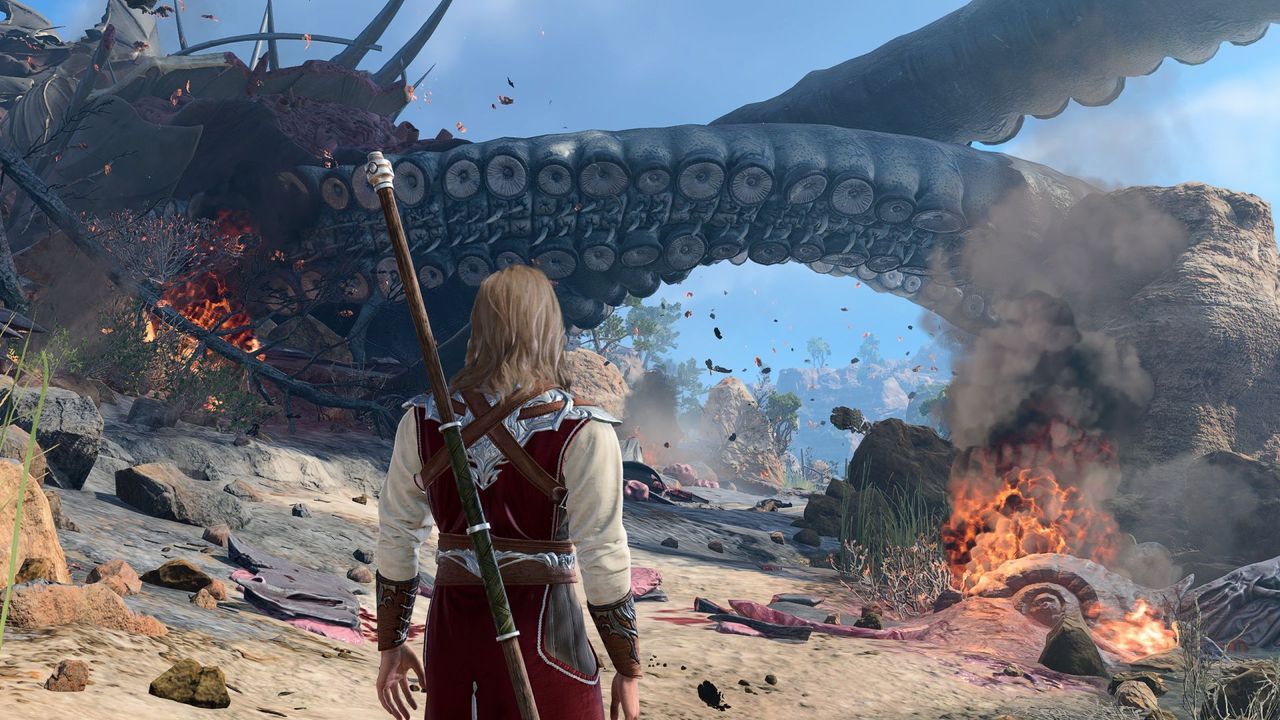
The appeal of epic role-playing games often lies not just in their narrative depth, but in the freedom to shape the very experience. For players diving into massive worlds like Baldur’s Gate 3, this freedom is amplified by the modding community, turning a game into a highly personalized sandbox. This desire for bespoke immersion is perhaps nowhere more evident than in the endless pursuit of the perfect camera angle.
In the quest to redefine perspective in Baldur’s Gate 3, modders frequently find themselves debating the merits of different visual tweaks. One excellent example involves the debate over third-person viewing modes. While the base game offers a standard mode when using a controller, dedicated players seek novel experiences. This quest for distinction has sparked a fascinating side battle among users seeking to maximize their vision of the world.
Enter Relysia’s True Third-Person Camera mod, which shifts the viewpoint into an over-the-shoulder perspective. This approach offers a distinctly different feel compared to other options available. Simultaneously, mods like Native Camera Tweaks allow for fine-tuning, letting players adjust how they look and move through the environment with greater control.
The real fun lies in comparing these distinct approaches. The True Third-Person Camera mod locks the viewpoint into a specific downward angle, offering an immediate sense of immersion. In contrast, Native Camera Tweaks provides adjustable viewing options, allowing for manual adjustments. This difference is subtle yet profoundly changes how a player interacts with the environment.
Consider the shift in focus: one system defaults to an off-center over-the-shoulder view, mirroring classic titles like Tomb Raider, while the other allows for more flexible repositioning. This seemingly minor visual change creates a significantly different psychological experience. It demonstrates how deeply player preference shapes perception, transforming familiar scenes into something fresh and unique.
Beyond aesthetics, these camera adjustments impact gameplay mechanics. Looking up in subterranean environments or on lower floors can reveal unexpected discoveries—a feature that emphasizes the importance of perspective during stealth or exploration. While relying solely on the base game options is fine, modding provides the power to tailor the game’s presentation to personal preference.
The vibrant ecosystem of Baldur’s Gate 3 modding extends far beyond visual changes. Players can combine camera mods with other utilities, such as WASD Character Movement or Party Limit Begone, creating completely unique scenarios. This ability to stack and layer modifications is the hallmark of PC gaming, allowing users to construct their perfect digital reality.
Ultimately, the modding scene proves that customization isn’t just a feature; it’s an essential part of the experience. It empowers players to fine-tune the details, ensuring that every playthrough is not only a story but a unique visual and interactive journey tailored precisely to their persnickety preferences.
Buy on Amazon
Credit