
Why Baldur’s Gate 3 wasn’t a copy of Baldur’s Gate 2
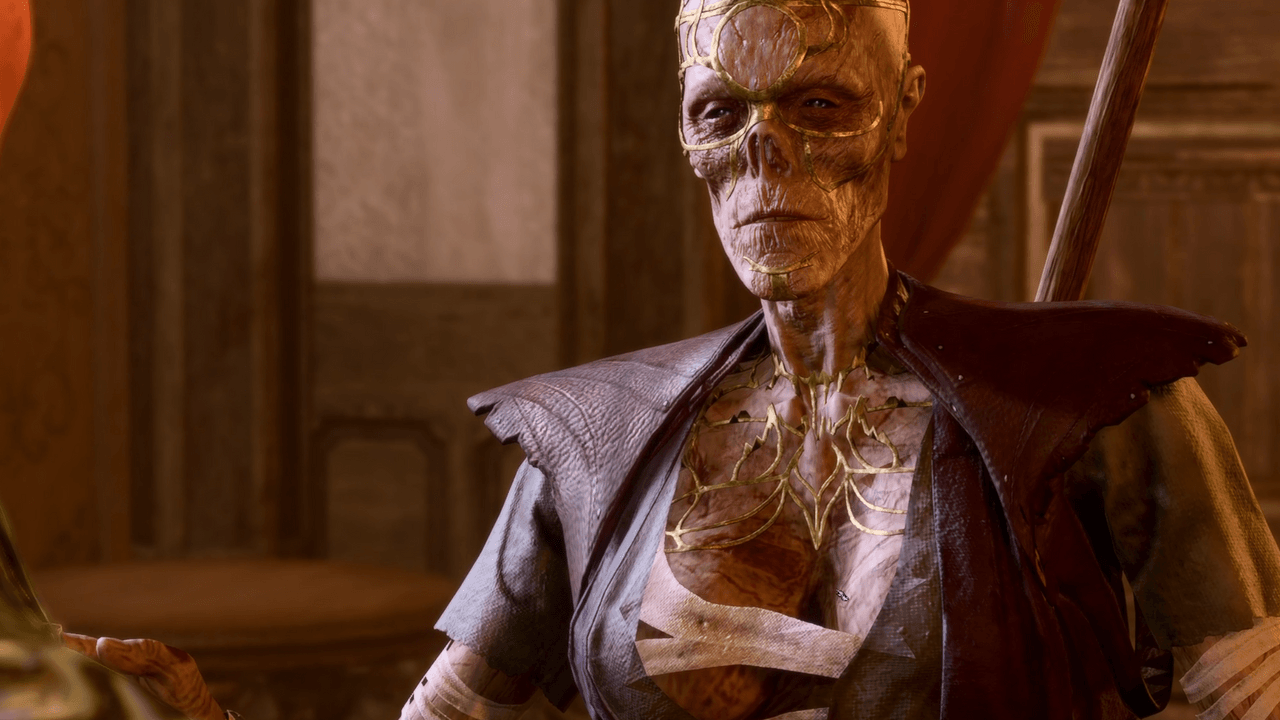
The magic of a great RPG sequel often lies not just in nostalgia, but in a willingness to break established molds. For those who understand the deep currents of the genre, this lesson was perfectly illustrated by Mark Darrah, a veteran designer whose experience spans some of gaming’s most celebrated titles.
Darrah is more than just a figure from the history of role-playing games; he was a foundational programmer on iconic titles like Baldur’s Gate and Baldur’s Gate 2, alongside projects such as Neverwinter Nights. His expertise extends further into the world of epic fantasy design, serving as an executive producer for the entire Dragon Age series before taking a brief hiatus and returning to work on The Veilguard.
Having witnessed the evolution of BioWare RPGs firsthand, Darrah has a keen eye for what makes a sequel truly shine. He points to the success of Baldur’s Gate 3 as a remarkable achievement, noting that its popularity and impact have overshadowed its predecessors. The key, he argues, was Larian’s decision to pursue its own creative path rather than merely rehashing old formulas.
This independent approach led to a game that felt profoundly different from the originals. Darrah observed that while the games were rooted in the tradition of Baldur’s Gate, they also absorbed influences from other successful CRPGs, creating something new and deeply engaging. He suggests that this evolution is reflected in how Baldur’s Gate 3 leans more toward Larian’s own style of design than its direct predecessors.
The discussion naturally leads to the ongoing challenge for IP owners like Hasbro: how to capitalize on a massive, lucrative franchise without stifling the creative freedom that made it successful. The dilemma centers around what comes next—specifically, developing a Baldur’s Gate 4.
Some observers suggest a middle ground: allowing Larian to license out their proprietary engine, essentially creating an oversized expansion pack for the next title under the same brand name. This approach would harness the established technology while allowing for fresh content creation.
Alternatively, others advocate for a bolder move, urging the franchise owners to step away from simply searching for another iteration of the old formula and instead take inspiration from Larian’s successful innovation—to try something genuinely new in the realm of RPG design.
Ultimately, the future of the saga hinges on balancing reverence for its history with the courage to embrace uncharted territory. It is a fascinating case study in how evolution, not mere repetition, drives true gaming success.
Buy on Amazon
Credit