WoW art lead tips for creating amazing houses
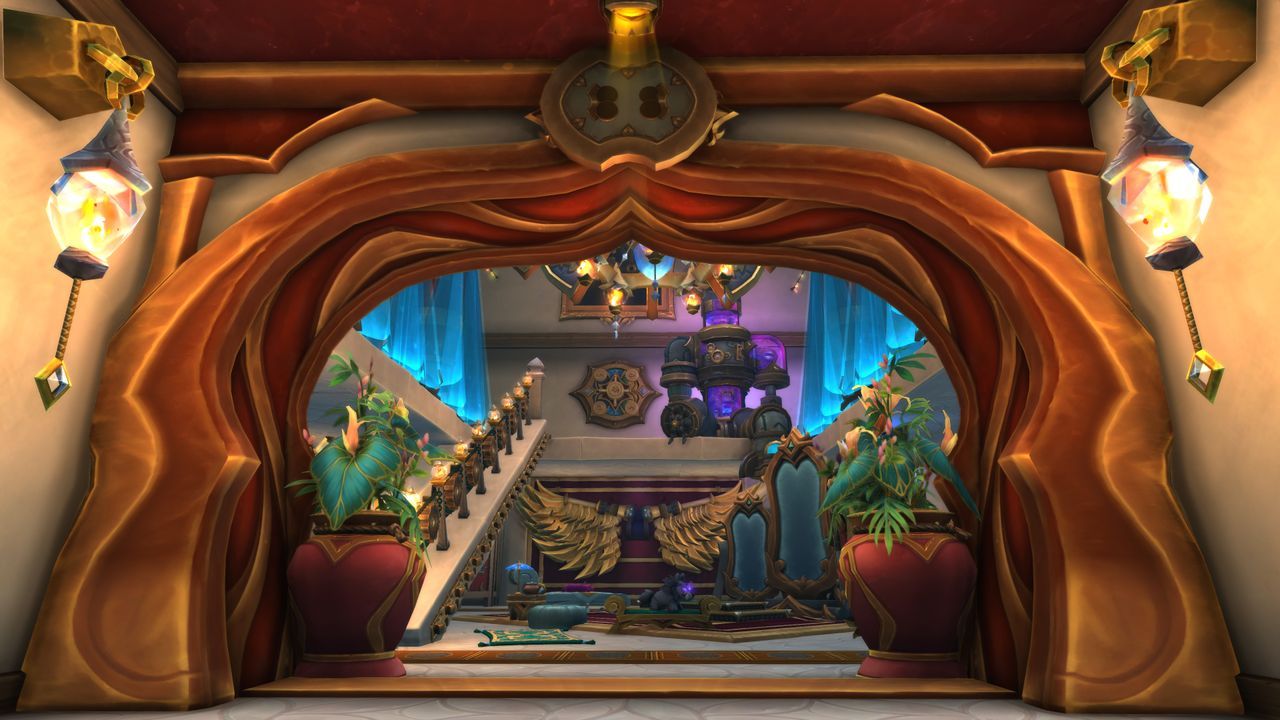
Before he became the system designer for player housing in World of Warcraft, Jay Huang was the master of the details—the principal artist and lead designer responsible for crafting the very props that defined the game’s living spaces. Now, Huang is guiding the very systems that let players create their own worlds, transforming the way the community interacts with in-game architecture.
The game recently introduced a massive upgrade with patch 12.1, The Curse of Ula’tek, which brought a flood of new housing decor and features. Most excitingly, players gained access to “blueprints”—saved rooms and house interiors—allowing newcomers to instantly copy the designs of veteran builders and bring them into their own spaces.
While this feature is a game-changing opportunity, diving into the world of in-game creation can feel daunting. How do you go from blank canvas to masterpiece? Huang, known for his artistic eye, offers a set of practical, witty tips for those stepping into the role of digital interior designer.
First and foremost, he advises starting with inspiration. “Even artists like to know what something looks like,” he explains. Before you start placing furniture, find a reference image. Whether it’s a spaceship or a cozy cabin, studying existing structures helps you understand the foundational shapes and architectural reasons behind them, giving you a blueprint for your own decor.
Next, Huang emphasizes embracing the community. The sheer volume of talent shared by other players can be overwhelming, leading some to self-doubt. He encourages creators to look past the intimidating examples and dive into the sharing channels where players are dropping amazing work daily. The key is to let that inspiration fuel you, not freeze you.
When tackling large, open spaces, the biggest challenge is often feeling like you are starting from scratch. Huang suggests breaking down those enormous areas using architectural concepts—think of using partitions, pillars, and platforms to divide open-concept rooms. This transforms a daunting square into a collection of interesting, defined niches, making decorating far less intimidating.
To handle proportions, he recommends focusing on smaller spaces first. By starting with defined rooms, players can build confidence. Furthermore, when designing, repetition is a powerful tool for adding detail without overthinking. He points out that grand designs, like cathedrals, rely on repeating elements—pillars and patterns—which create a cohesive, stunning vibe.
Color palettes are another crucial point. Huang cautions against the urge to ‘rainbow vomit’ all over the place. He recommends sticking to a simple foundation of two to four colors. This allows the design to feel cohesive before sprinkling in accents of other vibrant hues.
But don’t let color limit your creativity. Huang encourages embracing stylistic variety. When decorating a space, players shouldn’t be constrained by a single aesthetic. Why confine yourself to one style when you can mix elements—throw in a Naga motif into a Kobold space? The freedom to mix styles is where true originality shines.
Perhaps the most exciting opportunity lies in treating the housing as a pure art medium. Huang is incredibly impressed by the mural work players are creating, turning their houses into literal canvases featuring everything from South Park to KPop Demon Hunters. It’s a reminder that players are actively reimagining the game world, turning old bugs and features into incredible, personal masterpieces.
Ultimately, the advice boils down to freedom and imagination. By encouraging players to experiment, kitbash objects, and use the world as a boundless canvas, Huang encourages everyone to stop being the ‘fun police’ and simply celebrate the incredible, unique art that the community is building together.
Buy on Amazon
Credit