
Why handheld gaming PCs cost $2,599 now
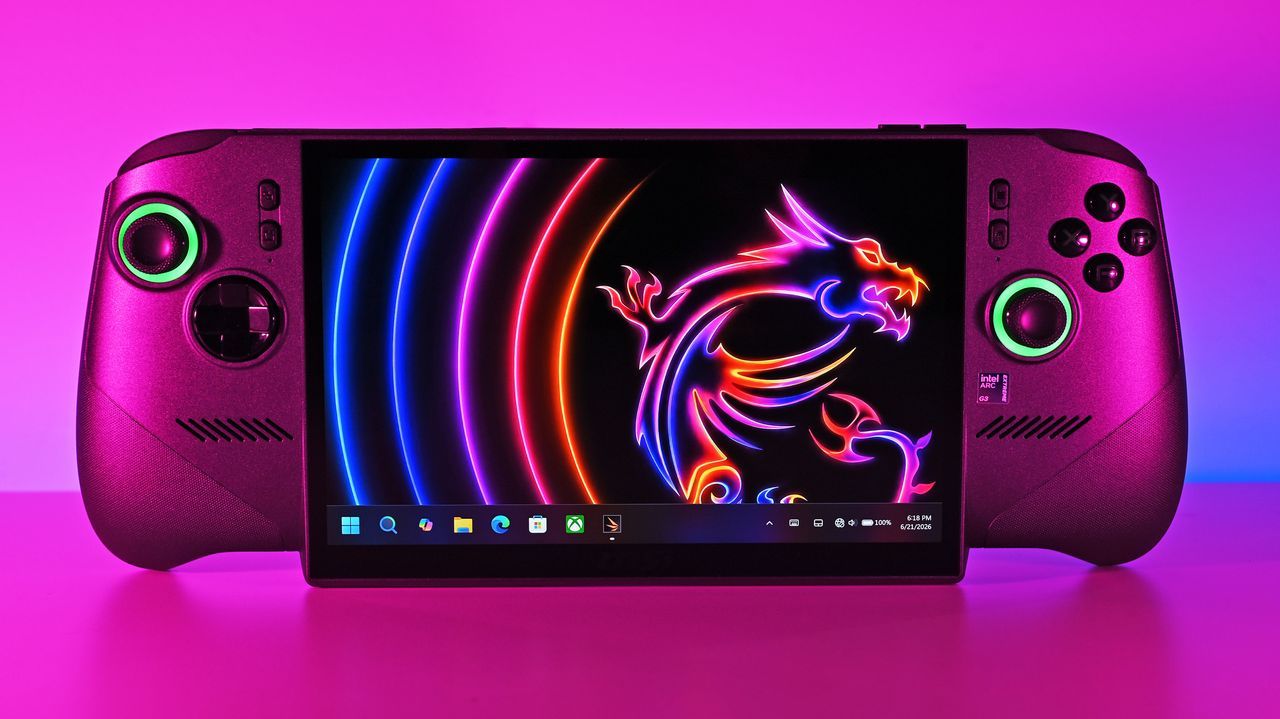
The dream of portable, high-performance PC gaming is finally within reach, but the journey to that handheld paradise is proving to be less a smooth ride and more a dramatic supply chain negotiation. At the forefront of this excitement is the MSI Claw 8 EX AI+, a device that promises a generational leap for handheld gaming, yet its arrival has been marred by extraordinary scarcity and astronomical pricing.
When first reviewed, the MSI Claw 8 EX AI+ stood out immediately. It leveraged the power of Intel XeSS and advanced AI compute to deliver an experience that felt like the ultimate handheld gaming PC—a genuine generational jump over competing offerings. It truly delivered on the promise of portable power, integrating components that gamers have been yearning for.
However, the reality of launching bleeding-edge technology is often a bitter pill to swallow. The demand for this powerful hardware quickly collided with a tight supply chain, particularly regarding essential components like RAM and NAND storage needed for AI processing. To compensate for these shortages, the manufacturer was forced to dramatically adjust pricing, setting the MSRP at $1,799. This adjustment, while reflecting production costs, instantly placed the Claw in an extremely expensive category.
The scarcity only amplified the situation. Despite strong initial interest, retailers across the board—including Best Buy, Amazon, Newegg, and B&H—saw immediate sellouts, often within 24 hours of release, thanks to preorders. This lack of availability created a clear disconnect between consumer desire and market supply.
The situation escalated when the demand moved to the secondary market. While official channels remain frustratingly out of stock, the price on platforms like eBay reflects the true market value, with some listings reaching as high as $2,599, pushing the cost over retail by nearly $800.
This phenomenon is not isolated to the MSI Claw. We are seeing a broader trend across the handheld gaming market where demand consistently outstrips the supply of components. A similar story unfolded with Lenovo’s Legion Go 2, where demand led to prices soaring by over $650 above retail, eventually forcing the discontinuation of the model due to untenable supply constraints.
In contrast, competitors like ASUS, with their ROG Ally and Ally X, continue to maintain a stable market presence. ASUS has managed to keep their devices widely available and priced competitively, offering solid performance without the same extreme volatility. For example, the higher-end Ally X features a powerful AMD Ryzen AI Z2 Extreme processor and 24GB of RAM, positioning it as a strong alternative for more graphically intensive PC gaming.
Ultimately, the saga of the handheld PC reflects a fundamental truth about the modern tech economy: while PC gaming is undeniably recession-proof, the real cost of innovation lies in balancing ambition with reality. Whether you choose to wait for a stable supply or invest in the high-demand, high-priced secondary market, the choice remains yours. The market is clearly signaling that the future of handheld gaming will be defined not just by performance, but by how effectively manufacturers manage the critical materials and supply chains of tomorrow.
Buy on Amazon
Credit