
Turn-based vs Real-time RPGs: Tim Cain’s View
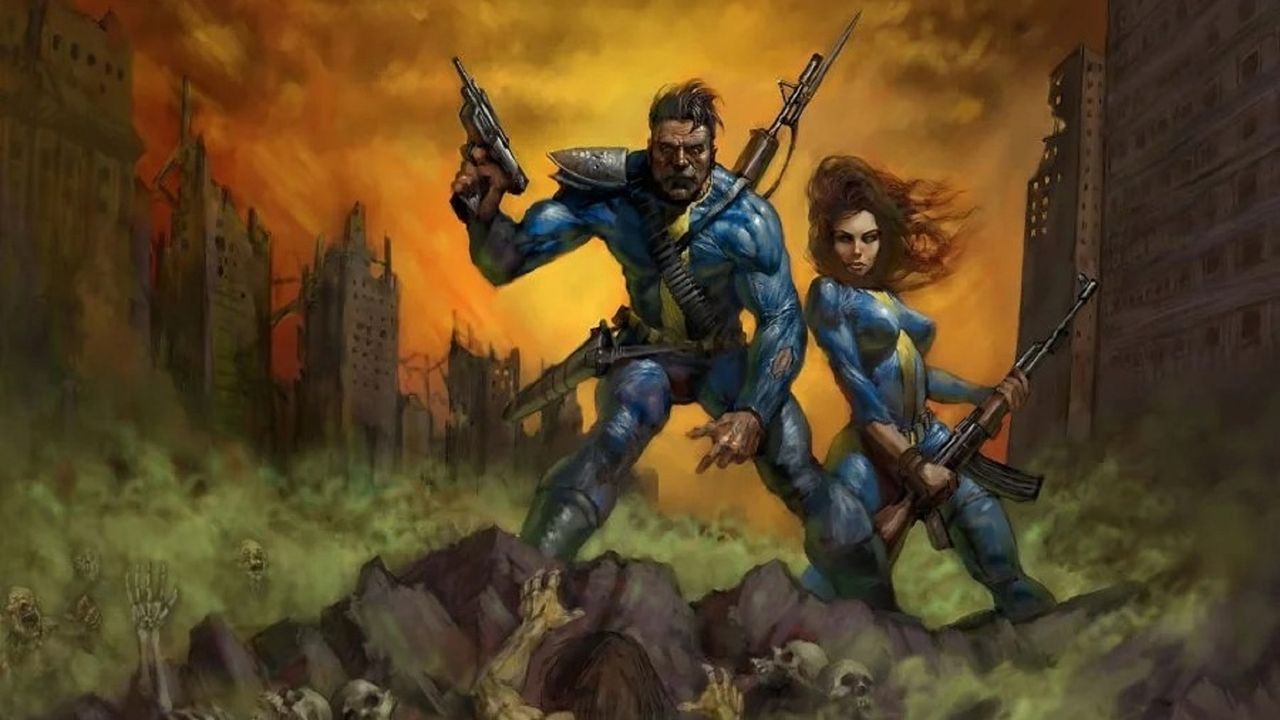
The perennial debate in RPG design—turn-based versus real-time combat—is often framed as a zero-sum conflict. But for legendary developer Tim Cain, the argument is far more nuanced. In a recent video, Cain stepped away from the simplistic dichotomy to offer a sensible, radical middle ground, treating the stylistic choices not as opposing goals, but as tools available to designers.
Cain’s perspective begins with a distinction beyond the simple choice of pace. He zooms out to consider “real time” in its purest sense, contrasting it with the “real time with pause” (RTWP) system popularized by classics like Baldur’s Gate, where players queue commands while the action halts.
While both systems digitize tactical combat, Cain argues neither is inherently superior. He acknowledges that each approach carries distinct advantages and drawbacks. For instance, he notes that real-time combat naturally lends itself to faster action and is often more suited for first-person experiences where movement and reaction speed are paramount. However, this speed can sacrifice the ability to manage complex multi-character strategy, and the pause mechanism in RTWP, while helpful, can sometimes feel like a temporary fix rather than a true solution to tactical complexity.
Conversely, Cain points out the slower pace of turn-based systems, noting that while they might feel sluggish compared to real-time action, they excel at emphasizing deep buildcrafting and long-term strategy. This slower rhythm allows players to focus on intricate tactical planning, a depth that some designers argue is essential for true RPG immersion.
Cain is a purist when it comes to core RPG mechanics, preferring that the focus remain on strategy and buildcrafting unless the game is explicitly designed as an action-RPG hybrid. He cautions developers against trying to force players to switch modes freely, suggesting that mixing styles—like the implementation seen in games such as Arcanum or Pillars—can lead to excessive development overhead.
Despite his philosophy, the debate rages on in the development community. Some colleagues see turn-based combat as having fallen behind in the modern era due to a lack of tactical variation, while others maintain that the Real-Time with Pause system still has a significant future. Ultimately, Cain’s position is one of agnosticism: he sees merit in both styles, valuing them as tools rather than immutable ends, allowing developers the freedom to choose the approach best suited for their vision.
Buy on Amazon
Credit