
Intel CEO hints at stacking memory and CPU innovation
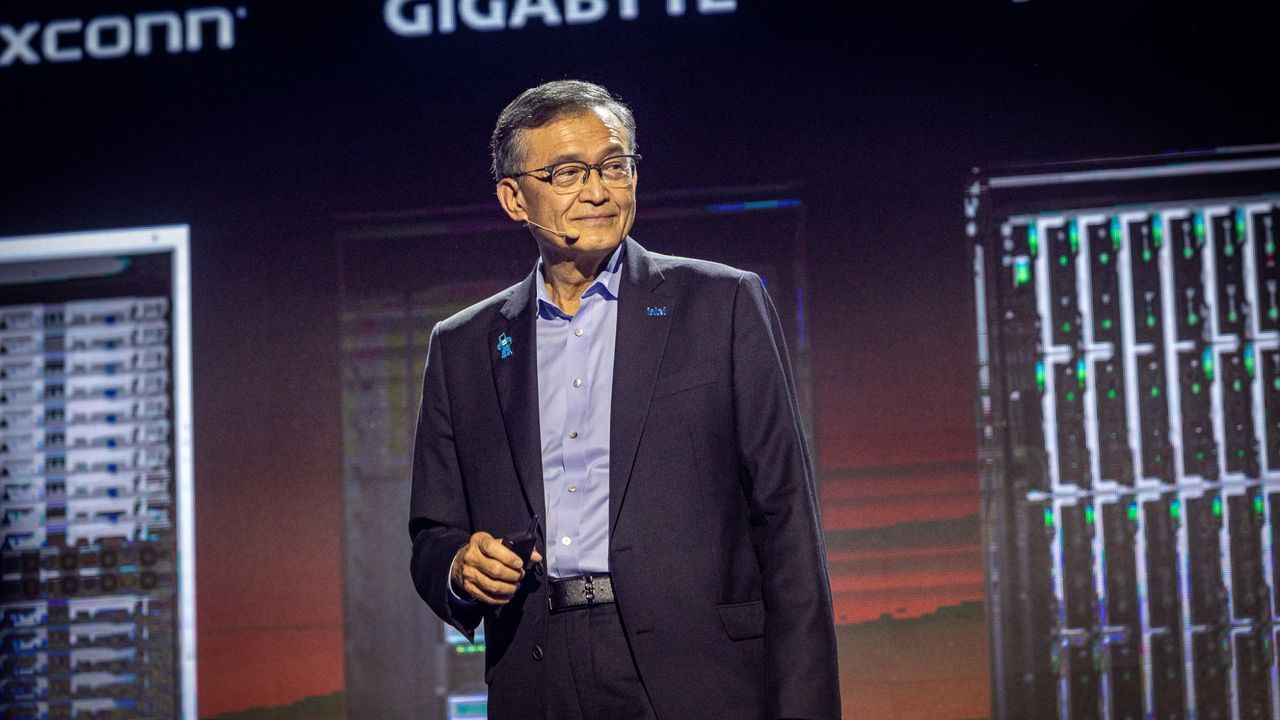
When chip giants talk about the future of computing, they often focus on the CPU. But according to Intel CEO Lip-Bu Tan, the real strategic goldmine might be found elsewhere: in the memory architecture.
Tan has revealed that what was once viewed as a simple commodity business—memory—has transformed into a strategically fascinating domain for innovation and investment. This shift in perception reflects a broader resurgence in the American chip industry, where players are realizing that memory is no longer just about volume; it’s about sophisticated engineering.
“I used to be, ‘do not invest in memory because it is a kind of commodity business,’ but now it has become different,” Tan noted. He acknowledged that the memory sector is ripe for innovation, setting the stage for ambitious internal projects aimed at reshaping how data is handled inside a computer.
Tan hinted at exploring some of these novel solutions, suggesting that Intel is actively looking at new memory architectures and even contemplating radical concepts like stacking memory directly on top of a CPU. He believes there are significant areas where innovation has yet to flourish within the memory landscape.
This strategic pivot is underscored by recent market dynamics. Makers of 3D NAND and DRAM have recently achieved remarkable profitability, cementing memory production as a highly profitable enterprise. This reality makes it clear that producing memory remains a solid, lucrative business for the time being.
However, re-entering this space presents formidable challenges for an entity like Intel. To compete effectively and capitalize on these opportunities, the company would need substantial capital to build new fabrication plants (fabs), invest heavily in research and development, and allocate significant time away from core foundry operations.
The path forward requires navigating complex investor reactions, especially given that Intel is currently focused on strengthening its position in the foundry market. The decision of where to deploy capital—whether into foundational memory technology or core manufacturing—will be critical for future success.
Ultimately, Tan’s remarks suggest a commitment to pushing boundaries, signaling that the next great leap in computing may involve rethinking the very structure of how processors and memory interact.
Credit

