Xbox Play Anywhere report card: Gaining traction or huge gaps
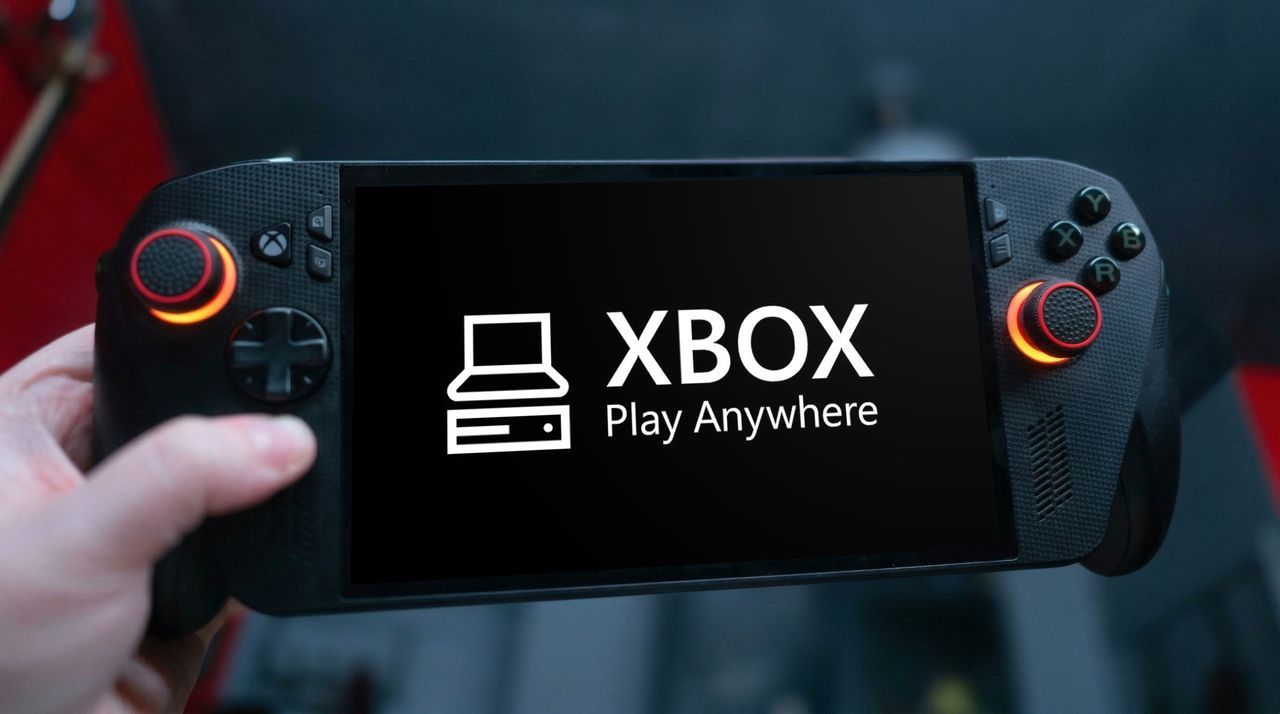
In an era where gamers value freedom over rigid ownership, the concept of seamless cross-platform play is more appealing than ever. At the heart of this movement is Xbox Play Anywhere, a feature that promises players can own a game once and enjoy it across both Xbox consoles and PC. It’s an ambitious vision—a true digital right that bridges the gap between console and desktop gaming.
The potential for this integration is enormous. By allowing players to access their library on any Windows PC, the feature taps directly into the trend of digital preservation and convenience. While the concept is brilliant, realizing its full potential requires consistent support across the entire ecosystem.
Currently, the landscape shows mixed results. While Microsoft has successfully pushed some major titles onto the platform, the overall consistency of Xbox Play Anywhere support remains an area needing significant improvement. Data suggests that support for these cross-platform experiences is steadily increasing, moving toward a favorable ratio, but there is still substantial work to be done to ensure every game benefits from this connectivity.
Some notable successes have demonstrated the viability of this model. Titles like IO Interactive’s 007: First Light were celebrated for adopting Xbox Play Anywhere without immediate incentive, bringing considerable assets into the cross-platform fold. Other recent hits, including Palworld 1.0, Hell is Us, and various titles from the science fiction genre like Subnautica 2 and Arc Raiders, have proven that players are hungry for this kind of flexible ownership.
However, the road to universal adoption is not without friction. Third-party developers face inconsistent support, which can be a major hurdle in justifying the time and resources required to port their games. This issue is particularly frustrating when considering the ecosystem’s broader goals. For instance, major publishers like Ubisoft have contributed to this complexity; while services like Ubisoft+ Classics offer cross-play benefits, the PC versions often lack the robust features or incentives that define a true Play Anywhere experience.
The challenge extends beyond just porting games; it involves legacy titles and long-term developer motivation. There is little incentive for developers to undertake the work of bringing older classics—or even their own back catalogs—to this new platform if the perceived benefit isn’t clear. This lack of momentum suggests that achieving seamless cross-platform play requires more than just a technical feature; it demands systemic support and a compelling economic argument for creators.
Ultimately, Xbox Play Anywhere represents one of the most exciting possibilities within the gaming sphere. For this potential to fully bloom, Microsoft must continue to invest in creating an environment where third parties are incentivized to participate, ensuring that the future of cross-platform gaming is as seamless and rewarding for everyone as it promises to be.
Buy on Amazon
Credit