
Action overload or true RPG in the new Chinese game
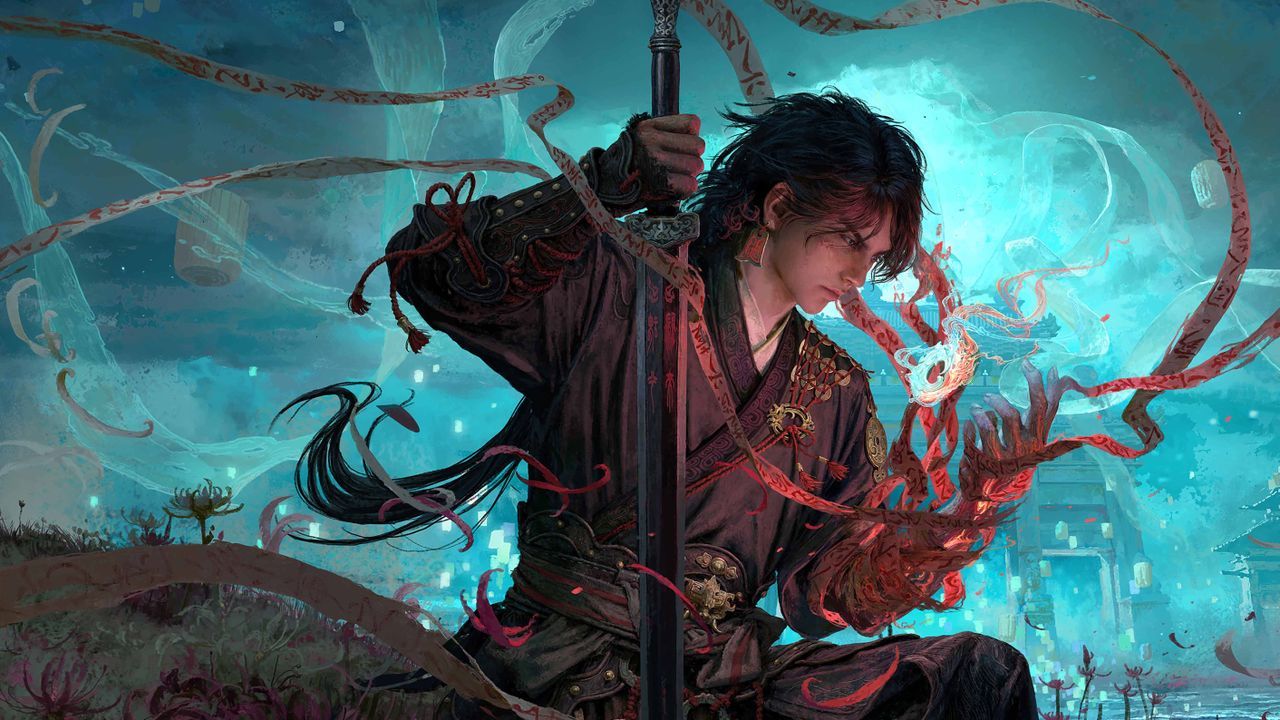
When major gaming events roll around the world, we often expect breathtaking spectacle. Yet, sometimes the most captivating experiences are those that blend deep historical lore with wildly inventive mechanics. <Swords of Legends>, a recent title, proves to be one such experience—a lavish and ambitious journey into Chinese mythology rendered in stunning detail.
This game isn’t just some new action title; it stands as the evolution of the beloved Gujian series, a franchise that had long established itself by prioritizing rich world-building over pure combat. Where previous entries focused on leisurely pace and the intricate web of ancillary characters—like an extended tapestry woven from countless plot threads—Swords of Legends takes that foundational storytelling and injects it with high-octane action.
But the real innovation lies in how the game redefines the action RPG formula. Instead of relying on traditional block and parry mechanics, the developers encourage players to think dynamically about combat flow. The core system allows for interchangeable weapon skills and artifacts that directly affect combat abilities. This freedom transforms simple combat into a series of strategic choices where momentum is king.
For instance, swapping out a standard guard skill for a damage-dealing dash using the Thunder Banner artifact fundamentally changes your approach to engagement, forcing an aggressive playstyle rather than a purely defensive one. This shift creates thrilling decision points that reward experimentation and timing, pushing players into an aggressive flow state.
The world itself is equally imaginative. From the incredibly detailed environments to the unforgettable boss encounters, <Swords of Legends> bursts with folklore. One memorable encounter featured a flying magician whose very body was an ornate rug, setting a tone that is as whimsical as it is epic. Other bosses, like a warrior wearing a teapot helmet, demonstrate how creatively the developers are weaving ancient tales into modern gameplay.
This attention to visual storytelling and mythological design suggests a game with deep roots, yet equally broad potential. It successfully builds upon established mythology while offering fresh interactive experiences that feel authentic and expansive. It manages to avoid becoming a mere imitation of other successful action titles by prioritizing the grand scope of its setting.
As the industry continues to embrace massive-scale productions, there is a crucial question: will these large-budget Chinese games simply follow the path carved out by current successes? <Swords of Legends>, with its blend of narrative depth and mechanical flexibility, offers a compelling answer. It suggests that the future of action gaming can prioritize creative freedom over rigid, single-focus mechanics, promising something truly grand for players to explore.
Buy on Amazon
Credit