
AI data centers spark US protests almost 40 arrests
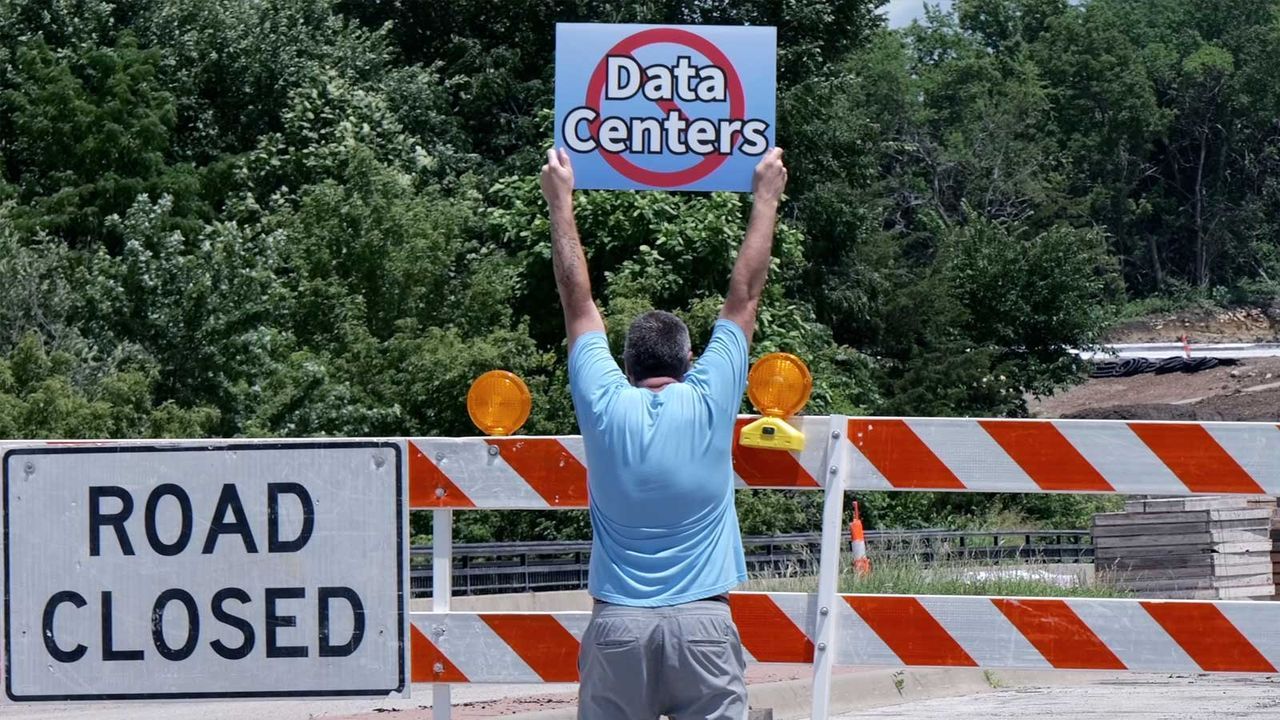
The global race to build the infrastructure for artificial intelligence is booming, promising unprecedented computational power. Yet, as the tech giants rush to construct massive data centers, a powerful and growing resistance is bubbling up from communities concerned about where these facilities will be built.
This opposition isn’t just noise; it’s a serious stand against environmental impact, public health, and personal liberty. The sentiment is clear: the pushback against building these AI factories near homes is only intensifying, making residents’ concerns less popular than the very idea of nuclear power plants.
The scale of the debate has brought local governments into the fray. In Nashville, for instance, residents and local politicians sought to block a massive $700 million data center project planned right next to the Nashville Zoo at Grassmere. The city council made a decision to use eminent domain, attempting to force the developer to sell the land for public use rather than accommodate the infrastructure build-out.
This is just one example of a wider resistance that has surfaced across the country. Earlier disputes demonstrated this pushback: a Kentucky farming family was offered ten times their land value by data center developers, but they firmly refused to sell their farmland for development. Meanwhile, regulatory bodies, like Virginia’s State Corporation Commission, have stepped in, insisting that data centers must shoulder the cost of essential transmission infrastructure to keep energy bills reasonable for residents.
The core concerns surrounding these sprawling facilities are deeply rooted in real-world impact. Reports have highlighted potential negative consequences, including water shortages, local contamination risks, increased electricity prices, and ongoing noise pollution. Even more unsettling are concerns about infrasound—sub-audible frequencies generated by the constant hum of the machinery—which neighbors claim may cause health problems.
As the demand for AI compute continues to soar, these protests have evolved into a full-scale campaign. Anti-data center campaigners organized nationwide actions, staging protests in 42 states and pushing for blocks and moratoriums on construction. These efforts led to rapid changes, with nearly 70 jurisdictions across the U.S. successfully blocking new data center builds.
This fight often brings friction between citizens and the powerful entities driving the build-out. When peaceful protests lead to confrontations, residents have faced arrest, sometimes for breaking minor rules or clapping in support of their cause. Despite these challenges, local politicians are increasingly demonstrating that they can wield their power to protect their communities, potentially holding back large-scale projects.
The developers and the industry counter with promises, often pushing projects into more rural areas and offering substantial local investment. However, the fundamental opposition remains strong. People don’t just dislike data centers; many express skepticism about the AI technology itself, highlighting privacy fears and real concerns about what this massive infrastructure entails.
It is a marathon, not a sprint. This conflict is a long war between rapid technological expansion and community well-being. While the drive for AI infrastructure continues unabated, the persistent voice of the people fighting back suggests that in the long run, local resistance is poised to shape the future of where and how these colossal projects are built.
Buy on Amazon
Credit