AI developers sue cities over data center bans
The colossal demand for energy fueling artificial intelligence is creating a surprising friction point: massive data center developers are now finding themselves in legal battles with local governments over zoning, permits, and outright bans.
As AI hyperscalers race toward global dominance, they face an unexpected hurdle—the need to navigate complex local politics. Some lawsuits allege that local officials have exceeded their authority by imposing moratoriums or outright bans on data center construction, while others claim these regulatory moves violate fundamental rights to due process and equal protection.
This friction highlights a growing tension between the immense technological benefits promised by these facilities and the real-world burdens placed upon the communities that host them.
The controversy isn’t just about zoning; it’s about environmental costs, infrastructure strain, and community consent. Data centers require staggering amounts of power and water, which often place an unfair burden on residents who live in the shadow of these massive operations.
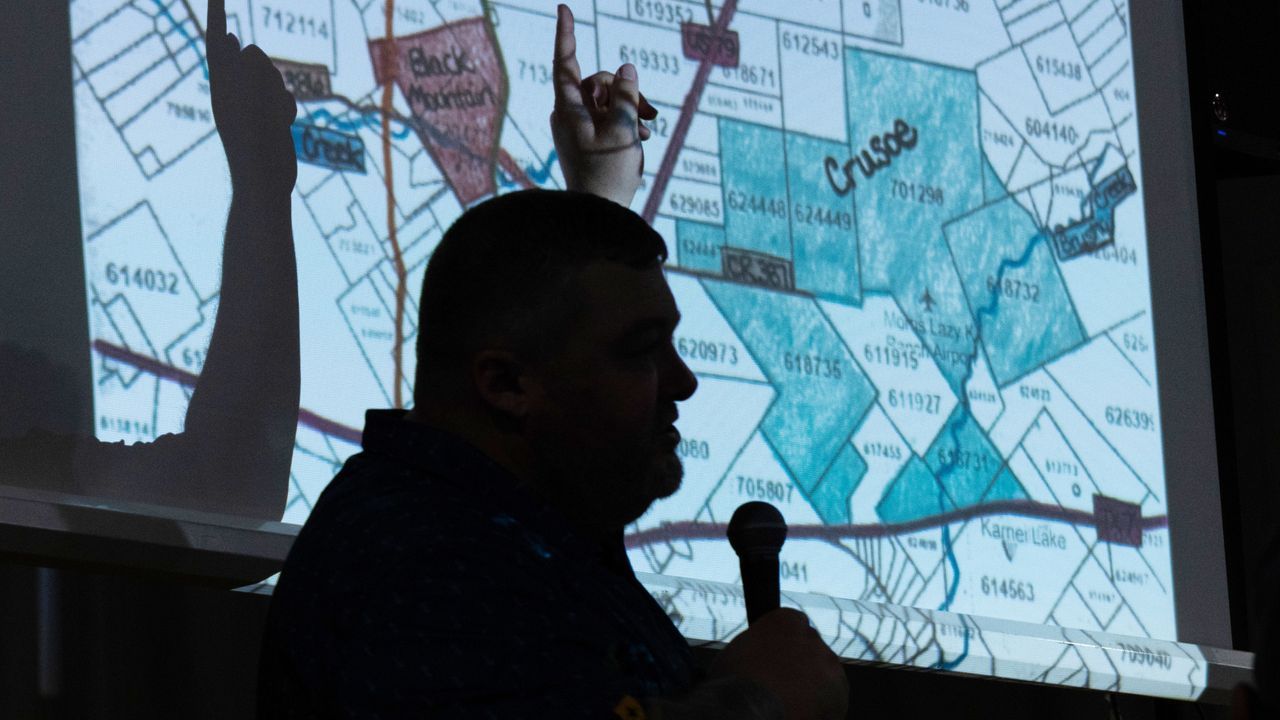
In Texas, for instance, a developer challenged a county-wide ban, arguing that local authorities lacked the legal mandate to halt development. This kind of conflict is not new, but it underscores how rapidly development is outpacing regulatory approval.
Beyond legal squabbles, the environmental footprint has sparked serious scrutiny. Reports have surfaced detailing how some facilities have stressed local resources. For example, investigations have examined instances where data center operations led to issues such as water contamination and strain on municipal supplies in various regions.
In Virginia, for example, while the promise was increased power for AI infrastructure, it came after electricity prices in the PJM Interconnection region had already surged by as much as 76%, making the necessity of paying for dedicated upstream electrical infrastructure a major point of contention.
Specific operations have also drawn attention regarding pollution and noise. Allegations have surfaced about data centers impacting air quality, with some operators facing legal challenges over unpermitted power generators. Residents near other facilities have reported extreme disturbances, with lawsuits filed over constant, distressing noise.
The complexity of managing these multi-faceted disputes—ranging from water usage and air pollution to community oversight and infrastructure planning—is proving exponentially difficult for developers seeking to bring projects online swiftly.
Despite the undeniable economic benefits data centers promise, the negative publicity surrounding their deployment has made securing necessary approvals much harder. It demonstrates that getting a massive infrastructure project built requires more than just engineering prowess; it demands community buy-in and careful consideration of long-term local welfare.
This reality is driving policy discussions, prompting calls for clearer frameworks where AI hyperscalers, state governments, and utility providers agree on the terms, ensuring that those who host this critical infrastructure are held accountable for the environmental and social costs they incur.
Buy on Amazon
Credit