AMD optimistic about AI PCs despite runaway pricing
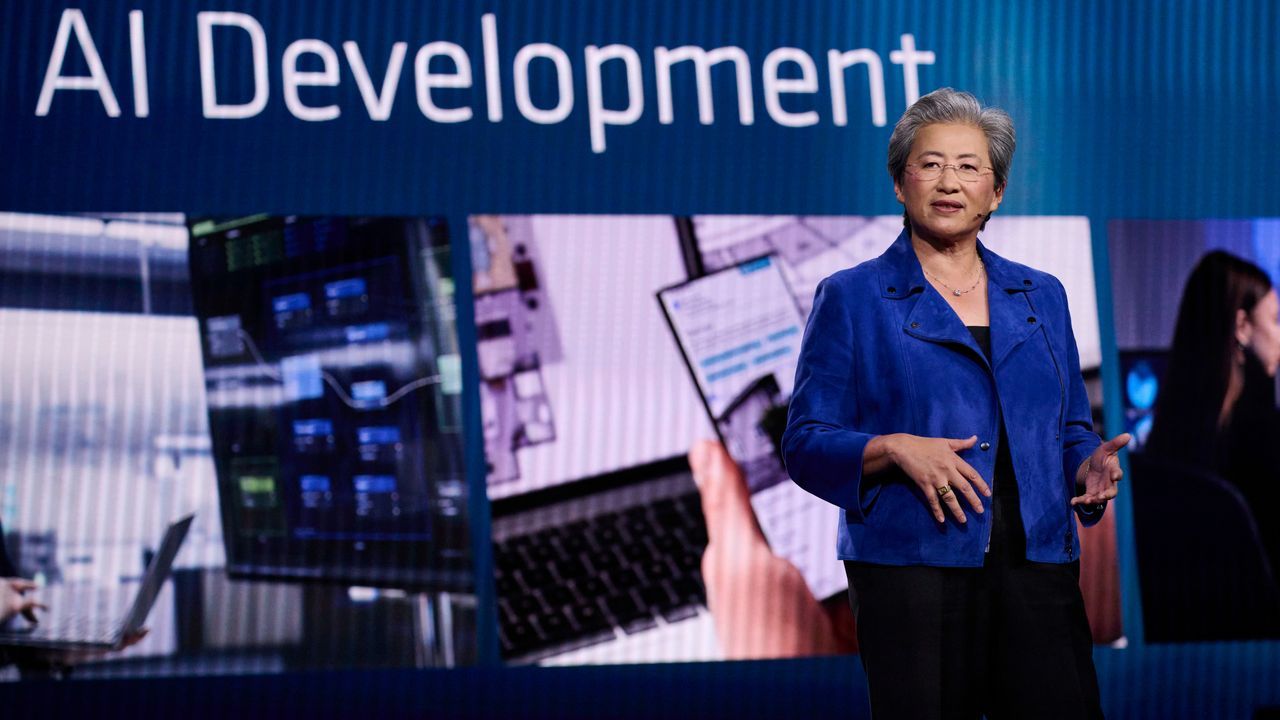
In an increasingly expensive technology landscape, where everyone is chasing high-performance hardware, AMD CEO Lisa Su is carving out a very optimistic vision for the future of personal computing. While the AI data center industry demands seemingly bottomless amounts of memory, Su believes that the shift toward AI PCs will ultimately make these innovations more important for the average consumer.
This optimism comes amid massive financial performance, with AMD reporting a record-breaking total revenue of $11.5 billion in the second quarter alone. Much of this growth is fueled by demand from data centers, showcasing the intense appetite for AI infrastructure.
However, navigating this market presents significant challenges. The memory supply crisis and overall hardware costs have squeezed the gaming sector, which saw its revenue shrink by 31%. This shift has meant that AMD has been selling a greater volume of lower-end and mobile Ryzen processors recently, rather than focusing solely on the newest, high-end GPUs and CPUs.
Despite these headwinds, Su remains focused on the long game. She expressed confidence in the PC market as a broad avenue for growth, suggesting that AMD has the ability to grow ahead of the overall market trajectory.
When discussing the financial performance, Su highlighted the strength of the client segment—the business that includes CPUs, APUs, and chipsets for desktops and notebooks. This segment, outside of gaming hardware, was performing very strongly, generating around $3.1 billion.
Looking ahead, AMD anticipates continued growth in this consumer-focused sector, even if the second half of 2026 sees a moderate decline. This expectation is bolstered by the sustained demand from data center operations.
The central dilemma now rests on affordability. If the relentless push for AI infrastructure continues to drive up the cost of memory and other components, the crucial question for consumers becomes: who can afford the next generation of AI PCs?
Su suggests that the portfolio, bolstered by rising enterprise content, puts the company in a positive position. Ultimately, whether the promise of NPU-equipped AI PCs translates into widespread consumer adoption will depend heavily on controlling hardware costs and delivering accessible technology for the masses.
Credit