
AMD Ryzen 5 5500 briefly tops Amazon sellers beating 9800X3D
The CPU Conundrum: Navigating the Latest Trends on Amazon
When you look at the perennial best-seller lists for CPUs on Amazon, what greets you is often a chaotic wall of red boxes. While these lists don’t offer deep performance metrics or hard sales figures, they certainly tell a story about where consumer demand currently lies in the rapidly evolving world of computer processors. Recently, AMD’s senior marketing director, Saša Marinković, decided to shine a spotlight on this market by sharing a screenshot of the Amazon CPU best-sellers. What he highlighted was a processor that manages to capture attention amidst a fierce competition: the $80, DDR4-based Ryzen 5 5500.
This seemingly humble chip, based on the Zen 3 architecture, sits at the heart of a broader market tension—the ongoing debate between legacy platforms and cutting-edge memory technology. It perfectly illustrates how performance metrics, platform choices, and consumer trends are often tangled together in the PC hardware landscape.
The story of the CPU market isn’t just about speed; it’s about platforms. For years, AMD has championed its innovation, pushing users toward DDR5 memory as the future. However, when looking at the best-selling CPUs on Amazon, the data reveals a complex reality that complicates that narrative. While AMD maintains strong representation, the overall landscape is becoming increasingly balanced across different technological paths.
The market split between DDR4 and DDR5 platforms shows this dynamic clearly. Even as AMD pushes its advanced memory standards, demand for older systems remains robust. Several motherboard vendors have actively increased production of DDR4 components to meet existing demand, confirming that a significant portion of the PC ecosystem is still built on established architecture. This suggests that platform loyalty often outweighs pure technological advancement in the consumer space.
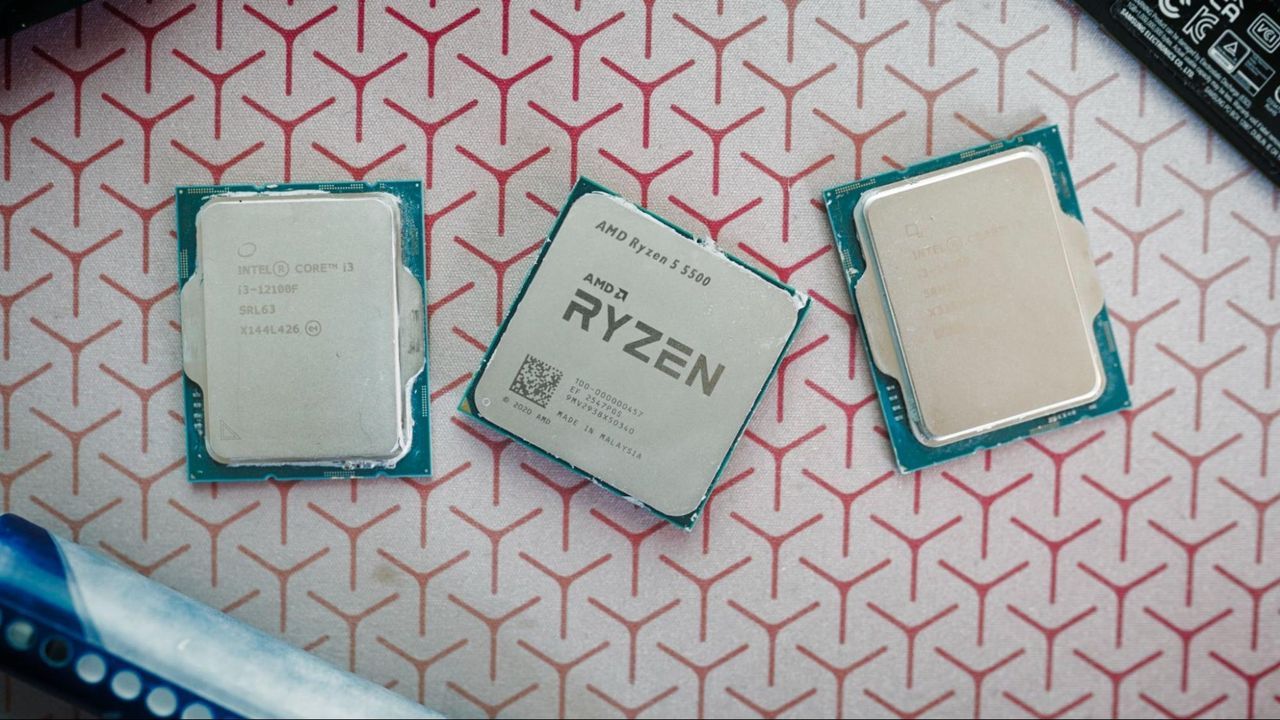
The presence of the Ryzen 5 5500 on the list serves as a perfect example. It’s an affordable entry point for many, offering six cores and twelve threads, clocking up to 4.2 GHz. While this processor delivers solid performance, specific comparisons in recent deep dives suggest that when factoring in price and overall system integration, other options built on DDR4 platforms can offer compelling value.
This situation highlights a fascinating irony: the highlight of AMD’s representation on a best-seller list involves an older generation chip, overlooking newer, more powerful processors released across their current lineups. It reminds us that the market is driven by accessibility and platform compatibility just as much as raw speed.
Ultimately, understanding the CPU market requires looking beyond single components. Whether you are prioritizing the latest DDR5 speeds or seeking the best value on a proven platform, the truth lies in balancing innovation with established consumer demand. The journey of CPU evolution continues to be one where both future-forward technology and current market realities play an equally important role.
Buy on Amazon
Credit