
Big Walk beats ‘friendslop’ trends
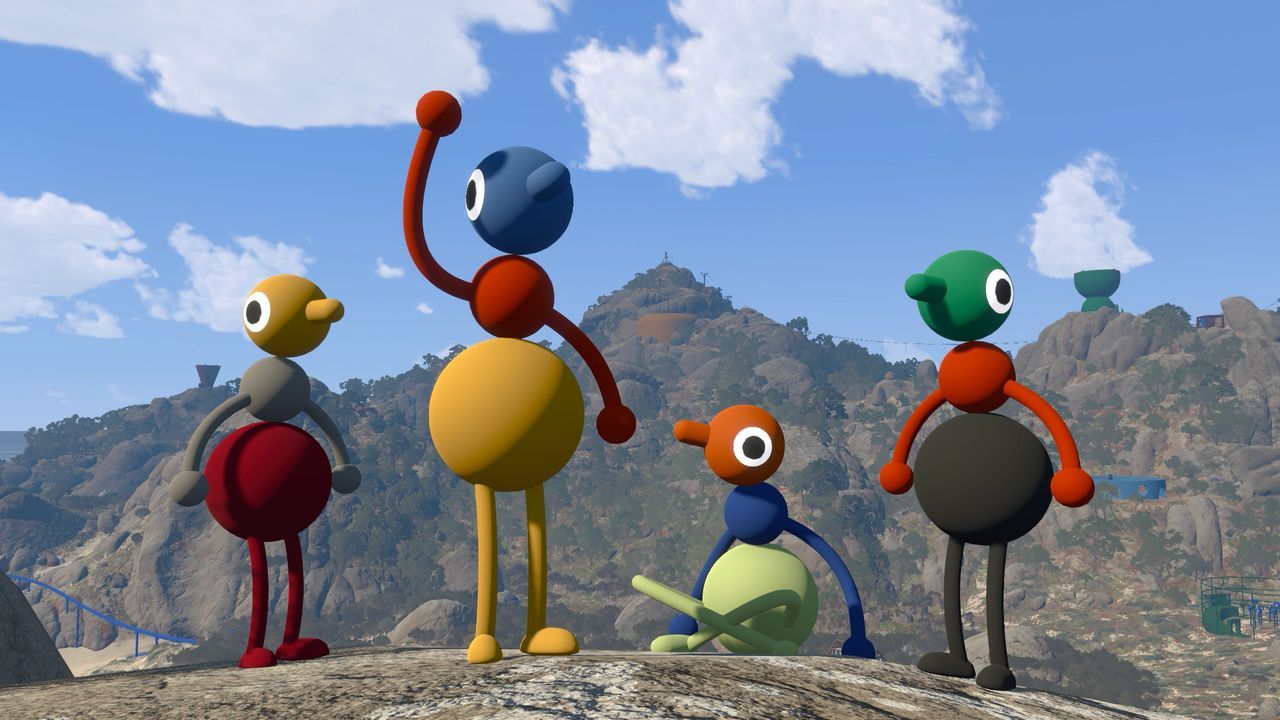
In a genre increasingly defined by chaotic sprints and high-stakes absurdity, there’s a growing need for a different kind of co-op experience. Enter Big Walk, a game from House House that offers a breath of fresh air by sidestepping the frenetic trends of the current “friendslop” movement.
While titles like Shift At Midnight and others thrive on quotas, runs, and sudden failures, Big Walk opts for something far more meditative. It’s not about racing toward a finish line or surviving relentless death; it is a loosely structured open-world adventure focused entirely on exploration, atmosphere, and the subtle art of communication.
Imagine wandering through a vast island with up to twelve friends, piecing together environmental puzzles, and finding joy in simple moments. The core challenge here isn’t external pressure—there are no scores or imposed deadlines—but internal: grappling with the inevitable gaps in communication that arise when trying to coordinate a shared adventure.
This approach positions Big Walk as a true puzzle game where connection is the key. The real excitement comes from the quiet discoveries, whether it’s getting wonderfully lost in the pitch-black night without a flashlight or accidentally kicking your binoculars off a cliff. The memorable moments of the game are rooted not in ridiculous gimmicks, but in shared, mundane mishaps.
In an era where developers are often speedrunning disposable activities—asking themselves things like, “What if you run has monsters?” or “What if you gamble instead of moving stuff?”—Big Walk offers a calm alternative. It proves that engaging co-op fun doesn’t require manufactured urgency; it simply requires a shared space for contemplation.
This deliberate pacing allows the experience to be patient and contemplative, inviting players to simply be in the moment rather than constantly pushing toward the next objective. Big Walk shines by celebrating the slow burn of discovery and the genuine connection forged between players, proving that a game can be deeply satisfying without needing to rely on enforced, high-octane silliness.
It’s this focus on authentic experience over enforced absurdity that gives Big Walk its unique appeal. It stands as a reminder that some of the greatest co-op adventures are found not in the chaos, but in the shared quiet of exploration.
Buy on Amazon
Credit