Dead Cells thanks Del Toro and suggests easy mode
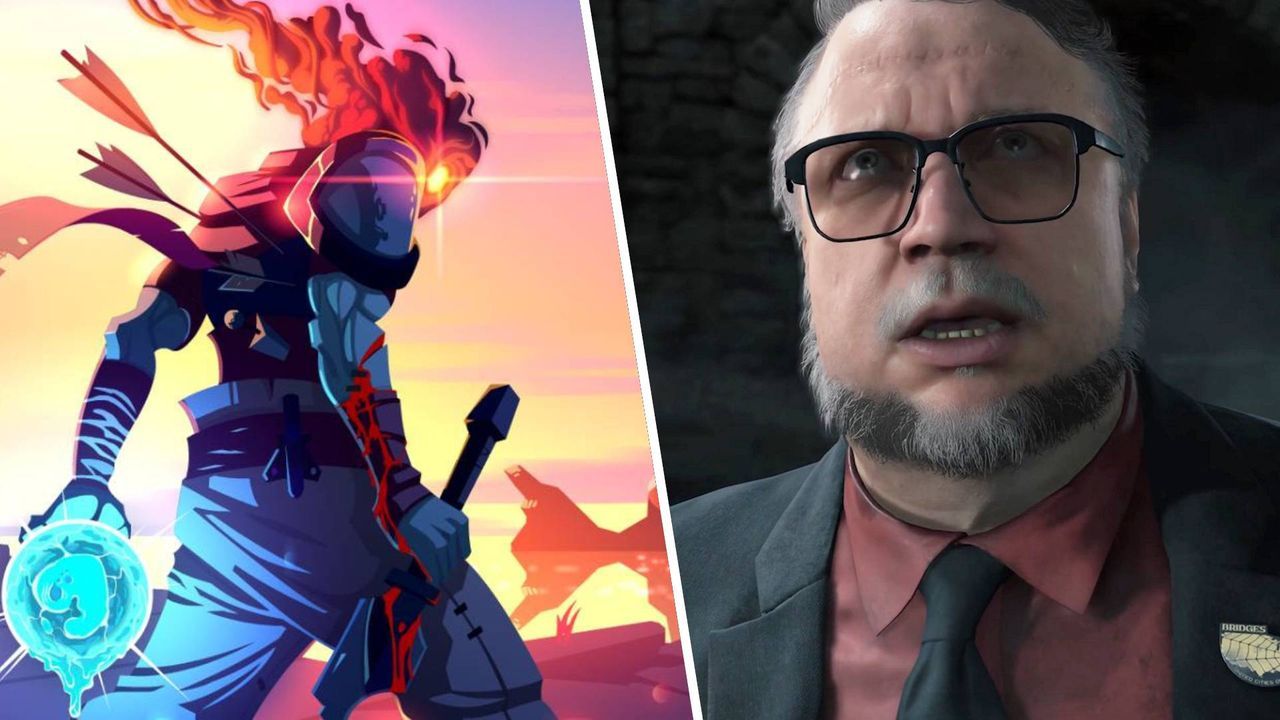
In the world of action-roguelikes, where death and randomized maps are the cost of epic achievement, the quest for forgiveness is a perennial theme. This tension was recently highlighted by director Guillermo del Toro, who dove into the challenging world of Dead Cells, only to voice a heartfelt wish for more mercy during his intense runs.
Del Toro expressed frustration with the relentless nature of roguelike restarts, particularly wishing for a mode that offered some reprieve for players who might find the difficulty steep. He sought a way to navigate the punishing cycle of death without losing all progress, prompting a call for a less unforgiving experience for those venturing into the genre.
The community and developers listened to this request. Motion Twin, the studio behind Dead Cells, recognized the sentiment immediately and offered a solution that perfectly addressed the need for flexibility. They officially welcomed the feedback, noting their excitement at connecting with a player of Del Toro’s stature.
The studio introduced an existing feature designed precisely to ease the burden on players: the Assist mode. This mode allows players to resurrect not by restarting the entire run, but by returning to the start of the current biome or the nearest checkpoint. This simple adjustment transforms the punitive nature of a standard roguelike into a more navigable adventure.
For many players, this distinction is the difference between a frustrating reset and a strategic reprieve. It acknowledges that while the randomness remains, the consequence of failure is mitigated by retaining partial progress. Whether it was Del Toro seeking a gentler experience or players simply wanting a less grueling path through the randomized dungeons, the Assist mode proves that even in the most hardcore games, there is room for thoughtful design.
Buy on Amazon
Credit
