
Deltarune’s ‘The Third Sanctuary’ a masterpiece song
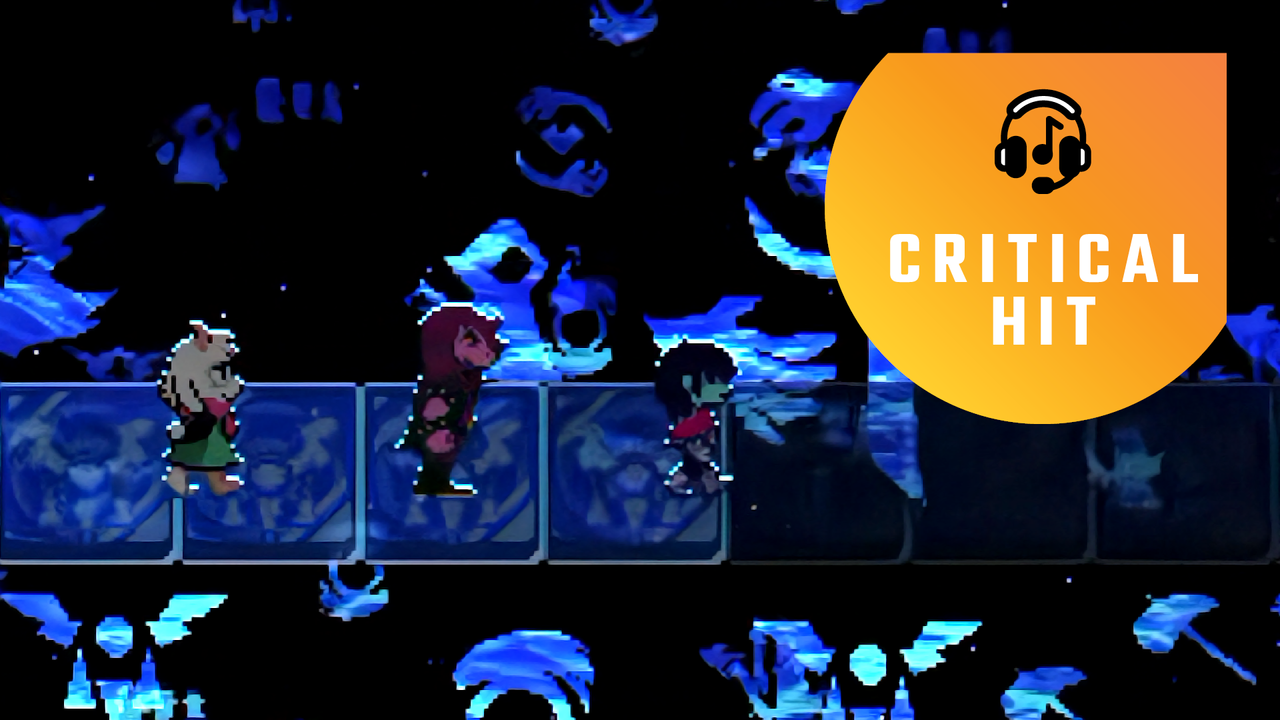
Welcome to Critical Hit, a space where we celebrate the stunning auditory world of video games. This week, we are diving deep into the mind-bending musical architecture created by Toby Fox for Deltarune, exploring how rhythm and time signatures don’t just accompany the action—they tell the story.
Toby Fox is already recognized as an exceptional composer, responsible for tracks like Megalovania, a piece that has become legendary in gaming culture. But his discography is filled with more than just iconic hits; it’s a rich tapestry of melodic genius. To truly appreciate the depth of his work, one must look at how he crafts sound and rhythm throughout the game’s narrative.
Our focus this time is on a particular piece: “The Third Sanctuary,” a track from Chapter 4 that many fans consider one of their favorite tunes in all of gaming. Even for those unfamiliar with musical theory, listening to this song reveals an astonishing level of sophistication and emotional nuance.
The magic lies in the rhythm itself, specifically in the use of unusual time signatures. A time signature is simply a system for representing rhythm in music; the most common format is 4/4, where four beats define a measure. Other familiar structures include 3/4, found in waltzes, and 5/4, famously associated with themes like Mission Impossible. The numbers themselves tell you how many beats are in a bar (the top number) and what kind of note values are being used (the bottom number, such as quarter notes or half notes).
In “The Third Sanctuary,” Fox masterfully shifts between these rhythmic patterns, moving from 9/4 time to 11/8, throwing in random 4/8 sections, and interludes with 5/4. This mathematical complexity might sound chaotic, but it functions as a perfect reflection of the chapter’s atmosphere—the unsettled, fragmented reality of the Dark World.
This musical instability mirrors the emotional state of Susie, who is uncertain and conflicted about her place in the story. The shifting time signatures reflect the trepidation and strangeness of the environment. As these different rhythms interlace, they don’t simply clash; instead, they slowly come together over the course of the track, like disparate pieces of reality finding a fragile harmony in the darkness.
The melodies present within these complex rhythmic frameworks swell and grow with a sense of hopeful determination. The main melody acts as a bridge, flowing effortlessly over the shifting time signatures, much like Susie moves forward after confronting an unknown prophecy. This use of rhythm elevates “The Third Sanctuary” from a simple background tune into a profound narrative device.
It is this mastery that allows the music to tell the story, even before any dialogue is spoken. Fans are responding enthusiastically to this innovative approach, creating countless fan songs and renditions that play with these rhythmic structures. Toby Fox has successfully cultivated a unique sonic genre within the Deltarune fanbase, proving that complex mathematics can be the most expressive form of storytelling.
Ultimately, “The Third Sanctuary” is more than just a beautiful song; it is an auditory reflection of Chapter 4’s themes—a masterpiece where mathematical precision meets emotional vulnerability.
Buy on Amazon
Credit