
Don’t let AI bigwigs tell you stories are dumb
The AI NPC Paradox: Why Generative Dialogue Falls Short in Gaming
When companies like Ubisoft began promising an age of “neo-NPCs” powered by generative artificial intelligence, the promise was massive: games populated with infinitely reactive characters that would make worlds truly alive. The ambition is certainly dazzling—imagine open worlds brimming with endless dialogue chains and personalized storylines. But as we watch this revolution unfold, a critical pause is necessary to examine the gap between the technological hype and the lived experience of genuine immersion.
While isolated technical demonstrations of AI-powered NPCs have been impressive, their application within complex video game environments often falls short of expectations. Projects like as the life sim Seed or systems like Inzoi, which piloted “smart Zois,” demonstrated that while AI can generate responses, true, deeply integrated character realism requires far more than clever chatbot dialogue.
The real magic in world-building doesn’t come from generating lines of text; it comes from the painstaking work of handcrafting the environment. The deepest sense of place and scale is established not just through the main narrative, but through the subtle details—the background chatter, the incidental remarks, and the history embedded in every corner of a game world.
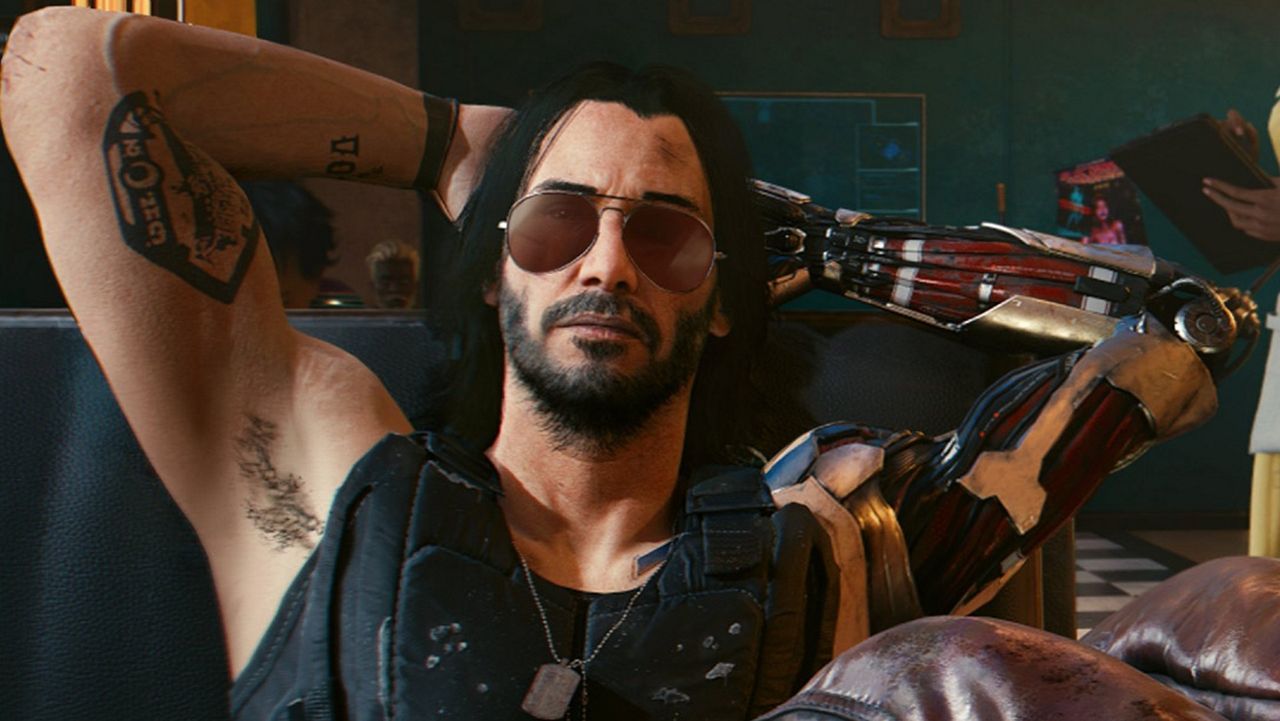
These small details act as the backbone of any compelling experience. Whether it’s a town crier setting the tone or carefully crafted advertisements that establish corporate dread in a world like Cyberpunk 2077, these layers allow a game to achieve its sense of scale and atmosphere. They provide context far beyond simple plot points.
When developers rely solely on procedurally generated worlds—like those seen in Starfield—the lack of meticulous, hand-crafted background information can make the environment feel shallow. It is this missing texture that AI struggles to replace. A world built from thousands of deliberate script choices feels rich because someone invested the time to build it.
If we imagine a future where these vast open worlds are populated by AI-generated NPCs with disconnected, jilted stories, does that enhance the experience? The answer is no. The potential for immersion evaporates if the foundational elements lack human intention.
This leads to a broader point: the skepticism from industry leaders regarding generative AI in art isn’t just about technology; it’s about what defines quality. Creators who understand storytelling recognize that generating text is different from creating narrative—it requires empathy, nuance, and an understanding of human psychology that machines do not yet possess.
The biggest oversight in the current push for AI NPCs is the focus on substituting skill with code. The true power lies in the careful consideration and labor applied by designers, writers, and artists to craft those subtle, meaningful interactions. Background chatter, combat barks, and side-quest details—these elements are not filler; they are the very architecture of character.
Ultimately, AI can be a powerful tool for efficiency, but it cannot replace the creative core of game development. The art of gaming remains rooted in human craft: the deliberate choices made by a team of creators to build worlds that feel immense and textured, not just systems that generate responsive dialogue.
Buy on Amazon
Credit