
Fallout 5 and Elder Scrolls 6: Who gets the Xbox exclusive title
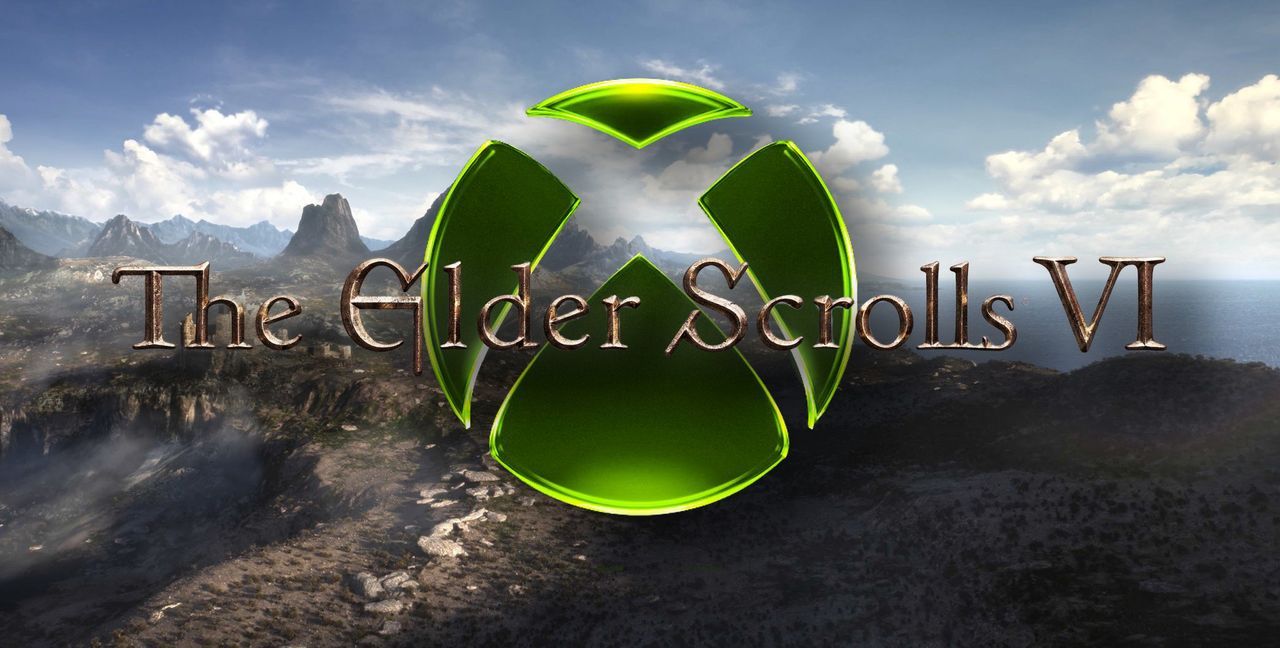
The Console War: Is Xbox‘s Next Big Move an All-In Bet on Exclusivity?
The battle for console dominance is far from over, but the landscape has certainly shifted. For years, the narrative revolved around platform wars—a fierce competition between Xbox, PlayStation, and Nintendo. What started as a simple disagreement over game access has evolved into a complex strategic chess match that redefines how publishers make money and how players choose their platforms.
Xbox initiated a surprising pivot away from exclusives in the past few years, aiming to boost margins. However, this move arguably hollowed out its own platform, allowing competitors to gain market share without much resistance. The question remains: is Xbox truly focused on defining its own ecosystem, or is it still playing a defensive game?
Now, as the industry matures and hardware costs soar, Xbox CEO Asha Sharma is signaling a dramatic reversal. She is intent on bringing back an exclusive focus, starting with titles like Gears of War: E-Day and Clockwork Revolution next year. This shift immediately throws the industry into a fascinating debate about strategy versus pure profit.
The central tension lies in whether Microsoft should commit fully to platform exclusivity for massive, tentpole games like The Elder Scrolls 6 or Fallout 5. Some argue that by making these titles Xbox exclusive, the move would serve as a crucial “loss leader,” tapping into millions of potential customers who might otherwise skip an expensive console purchase if they could play the game anywhere.
This argument leans on economics: since console hardware is increasingly priced at a premium, locking a major title to Xbox can be seen as a way to maximize profitability for Microsoft and its studios. If the sales come in strong regardless of platform exclusivity, it might be an opportunity to make money where the real value lies.
Conversely, there are valid concerns about limiting growth. Critics worry that such exclusivity could harm the potential margins for developers and limit user freedom. They suggest that Microsoft needs a sustained, visible strategy—not just one-off titles—to truly convince consumers to commit to an Xbox ecosystem over alternatives like PC or competing consoles.
Ultimately, achieving lasting success requires more than just securing a blockbuster game. Xbox needs a steady cadence of high-quality exclusives and a clear vision that proves the platform is worth the investment. The debate isn’t just about who owns the next big game; it’s about whether Microsoft can build an ecosystem that keeps players engaged and loyal, ensuring a healthier future for all involved.
Buy on Amazon
Credit