
First Arcade Game Computer Space heads to $200k auction
The Hunt for History: A Rarest Arcade Cabinet Hits the Auction Block
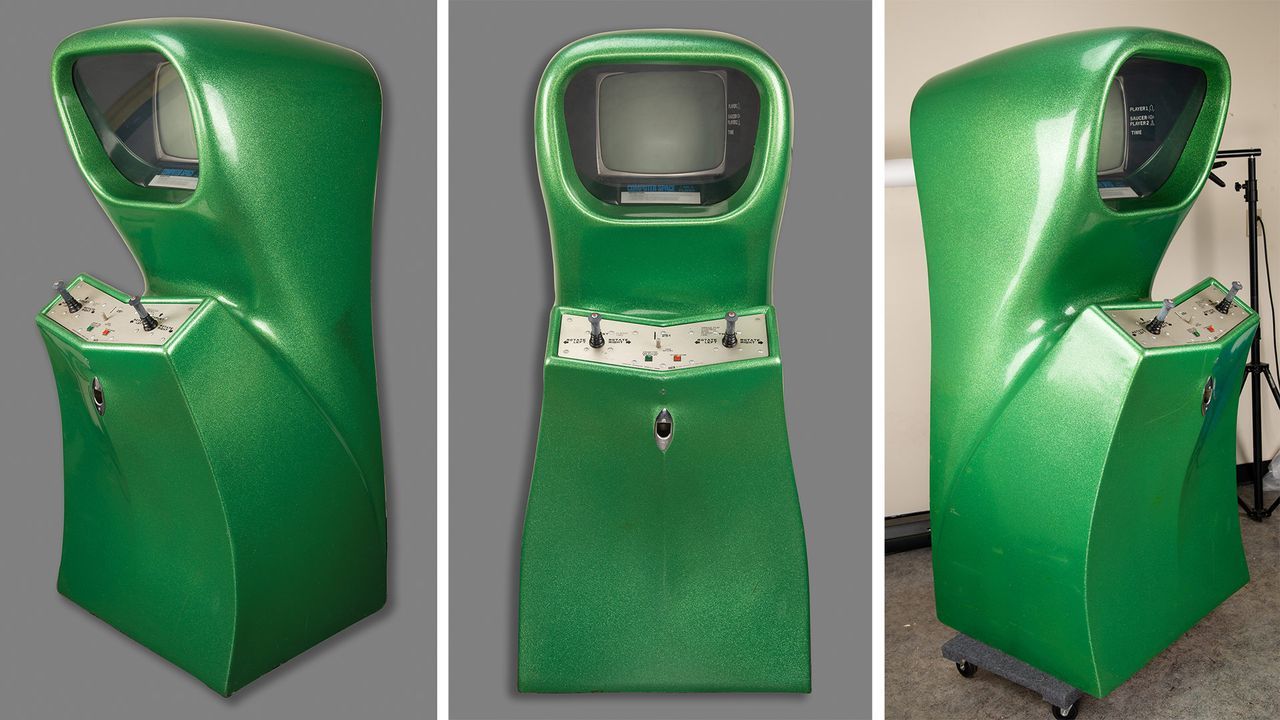
In the high-stakes world of retro gaming auctions, a piece of history is making its way to the forefront: a supposedly unique two-player arcade cabinet known as Computer Space. This isn’t just another piece of vintage hardware; it’s being sold by an industry veteran as something whispered to be the rarest arcade game in existence, destined for the public eye via Boston’s RR Auctions.
The cabinet itself is a visual delight, sporting Jetsons-esque styling and a distinctive green sparkle finish that immediately draws the eye. Yet, its allure is only matched by its pedigree. Computer Space dates back to 1973, making it a tangible link to the earliest days of commercial video gaming. It originated from Syzygy Engineering, the company that would eventually evolve into Atari.
Auctioneers assert that this machine holds monumental status, claiming it was both the first arcade video game ever created and the first commercially available video game. While many classic titles dominate memory, Computer Space occupies an important, foundational place in gaming history. It represents a pivotal ancestor to groundbreaking hits like Pong (1972) and the Atari 2600 home console (1977).
A close examination of the original design reveals the pioneering spirit of early game development. The dual-player setup required players to grasp individual joysticks to control their craft, with a simple red button for firing. While today’s standards might find these controls less ergonomic, they represent the innovative leaps made by designers still finding their footing in the rapidly evolving landscape of arcade technology.
The seller, a veteran in the gaming world, explains his motivation for bringing this piece to auction: space. He released the cabinet when his extensive home collection ran out of room, turning an historical artifact into something available for new owners.
For many collectors, Computer Space has transitioned from being a seminal video game to a treasured museum piece—a testament to the ingenuity of the early industry rather than a universally recognized hit. This perspective underscores the value of true historical artifacts over mere popularity.
The estimated hammer price for this rare cabinet is expected to exceed $200,000, though bidding is currently tracking at a far more modest $6,748. The auction, scheduled to close on August 20, 2026, promises to be part of a larger event celebrating the history of computing and entertainment.
Buy on Amazon
Credit