
GPU prices rise budget card shortages PC Partner warns
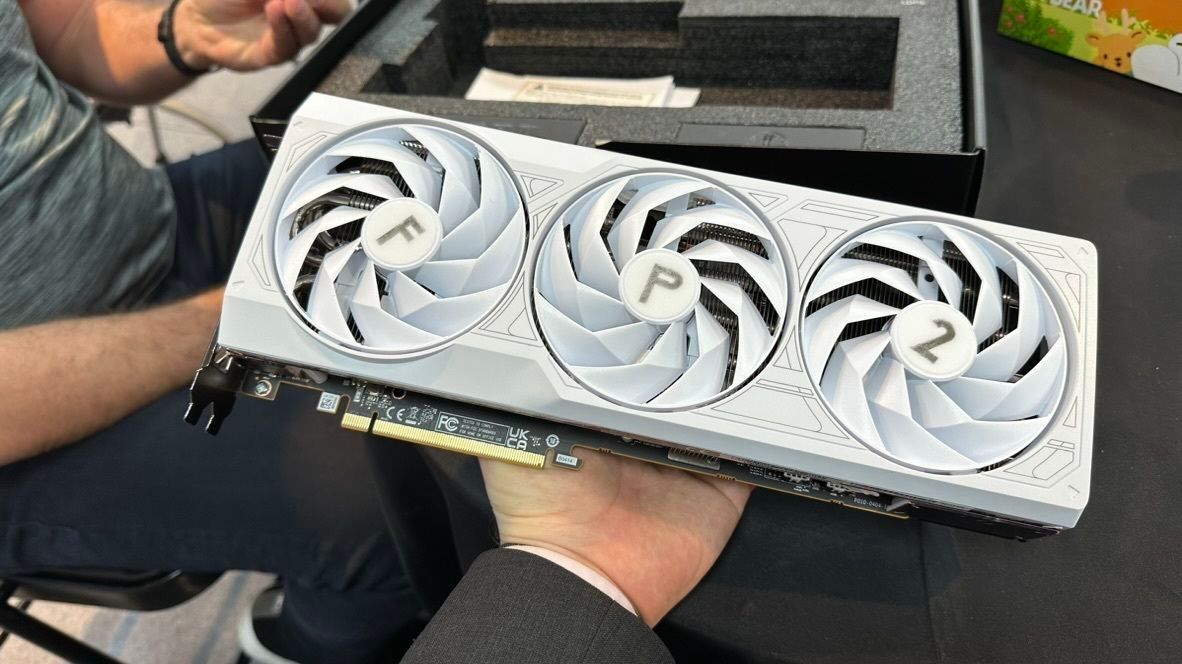
The world of graphics processing units is currently grappling with a complex dance between skyrocketing demand and persistent supply bottlenecks. While consumers are seeing massive price surges, the internal dynamics of the supply chain reveal a story far more nuanced than a simple cost-of-goods narrative.
Graphics card makers, including major brands like AMD, NVIDIA, and their numerous partners, are bracing for significant cost increases in the latter half of the year. This impending rise in costs is expected to translate directly into higher retail prices, hitting the market particularly hard on entry-level budget cards.
The pressure stems from shifting supply dynamics. Although overall consumer graphics card shipments are not necessarily declining, the flow of add-in boards (AIBs) has slowed. This slowdown, combined with anticipated further increases in graphics memory costs, sets the stage for substantial inflation in the final quarter of the year.
This cost squeeze is hitting the entry-level segment the hardest. Experts anticipate that entry-level VGA cards will face not only price hikes but also more severe shortages, potentially driving Average Selling Prices (ASPs) even higher in the second half of the year.
However, the price surge across the industry is highly uneven. While high-end cards carrying greater memory configurations have seen larger percentage increases, the threat to affordable, entry-level components is palpable.
Behind the scenes, the figures paint a complicated picture of production and sales. One manufacturer, PC Partner, highlights this dichotomy through its own results. Their business dealing with Nvidia-branded products, such as Zotac, Inno3D, and Manli, saw unit shipments fall by 18.4% in the first half of the year, despite a modest 10.7% year-over-year rise in average selling prices.
In stark contrast, the ODM/OEM segment—which handles production for AMD and Sapphire—demonstrated a different story. While unit volume dropped significantly by 38.4% year-over-year, revenue climbed substantially by 73.9%. This revenue jump was primarily fueled by an incredible 181% increase in the average selling price for high-end AIBs.
This disparity suggests that while the high-end market leveraged cost increases effectively, the overall ecosystem is undergoing a critical transformation. Industry observers suggest that the price increases may not be solely a reflection of rising component costs, but also a result of suppliers capitalizing on shortages and market scrutiny.
Ultimately, the market is evolving. The narrative is shifting from simple supply and demand to a complex interplay of component costs, production capacity, and the intense scrutiny placed on the entire graphics supply chain.
Credit