
Groening hints at Hit & Run remaster Showrunner fights back
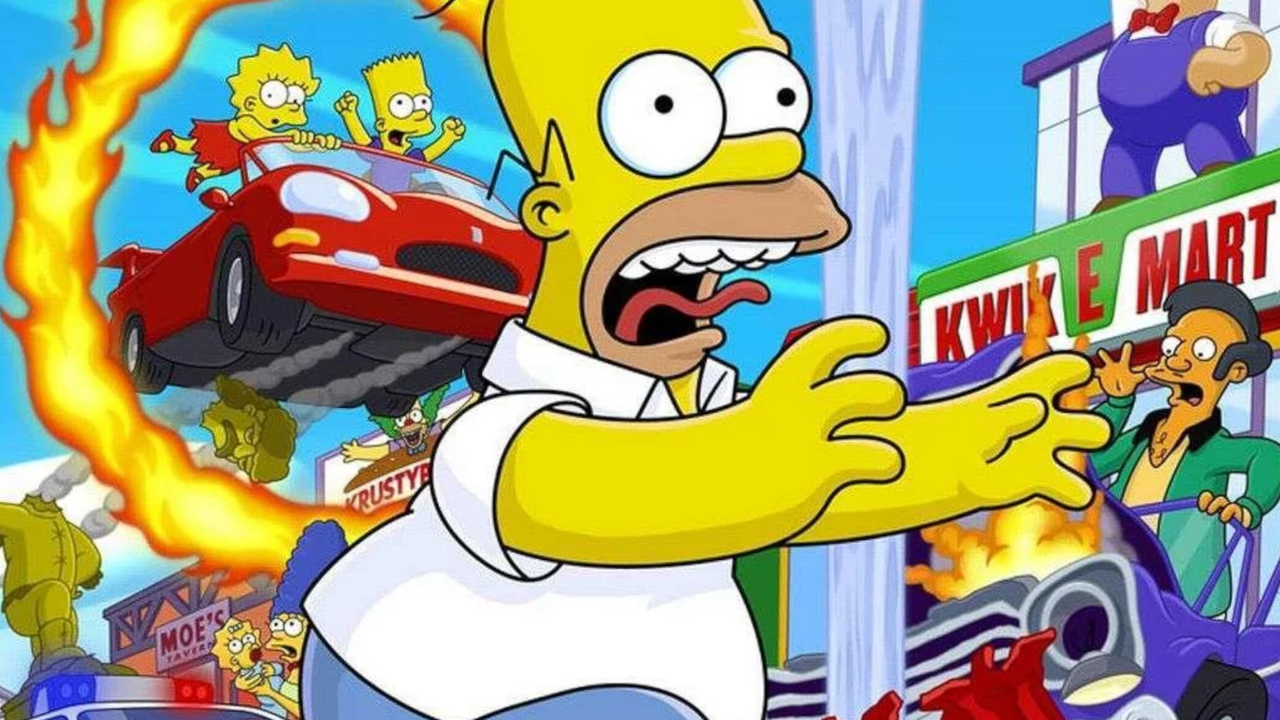
The world of animated television and video game nostalgia is ripe for a little revival, but sometimes, the fate of a classic tie-in game rests in the hands of its creator. Recently, whispers emerged suggesting that Matt Groening, the legendary father of The Simpsons, might have hinted at an upcoming return for The Simpsons: Hit & Run.
The suggestion, reported on social media, sparked immediate reaction from the industry’s gaming heavyweights. When asked about the possibility of a sequel or remake, Groening’s response was delightfully vague: “I think the original game is coming back in some form.”
This statement, delivered during a fan panel discussion, immediately drew a strong counterpoint from current showrunner Matt Selman. Selman, who has been heavily involved in the development of The Simpsons franchise, responded with the pragmatic, yet dismissive, phrase: “Or not.”
The exchange highlights the delicate balance between creator legacy and modern production demands. Groening, often operating in an “emperor emeritus” role concerning daily operations, may have offered a nostalgic thought based on fond memory, while Selman’s position as the hands-on executive provided the necessary grounding.
Yet, one could argue that this interaction was less about concrete plans and more about the powerful force of pop culture nostalgia. We are living in an age saturated with remakes and remasters—from classics like Spongebob Squarepants: Battle For Bikini Bottom Rehydrated to newer iterations—making the idea of reviving a cult classic feel entirely plausible.
The original game, released during the PS2 era, was a quintessential example of that era’s gaming landscape. It was a sort of GTA-lite experience where players could chase hijinks around Springfield, cementing its status as a beloved piece of fan history for many.
The idea that a revival is possible isn’t just speculation; it carries the weight of shared cultural memory. For many fans, this kind of creative iteration is less about pure gameplay mechanics and more about rekindling a cherished era of entertainment.
Credit

