How to master the MMO grind efficiently
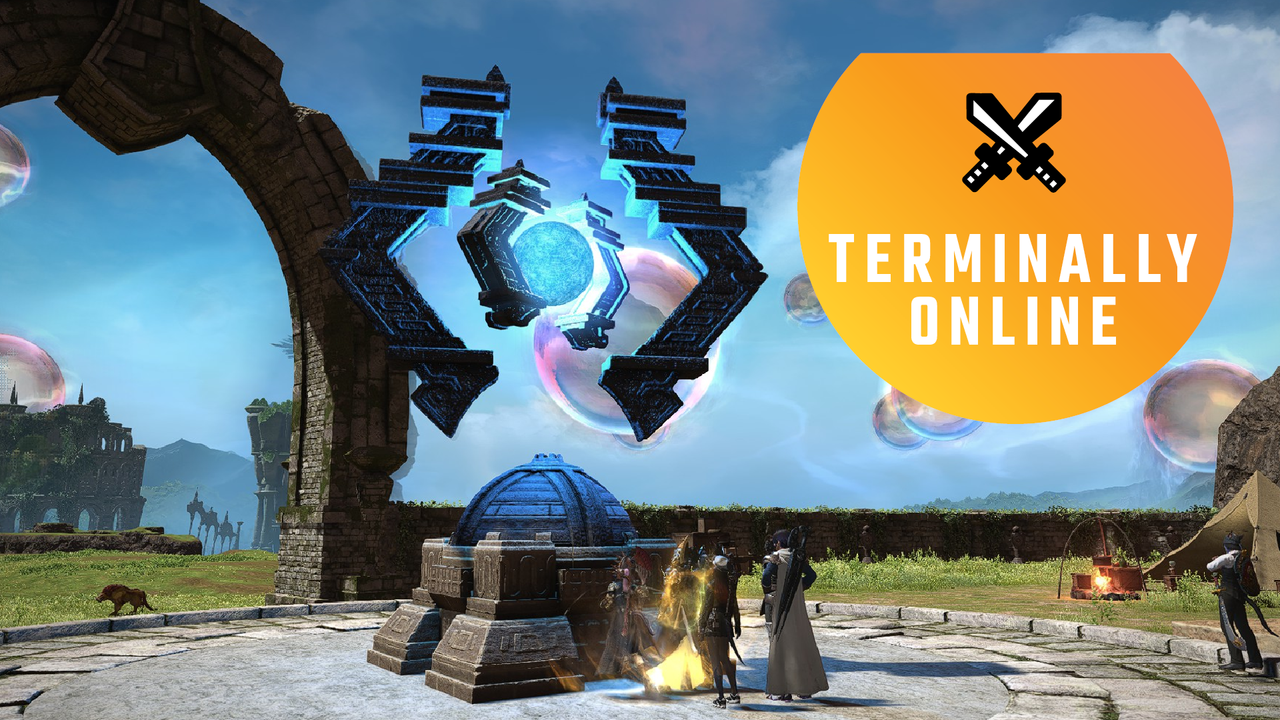
In the world of massive multiplayer online games, there’s a perennial debate simmering beneath the surface: is the necessity of “grinding” truly an evil? Many players feel a resistance to rigid divisions between casual and hardcore playstyles, questioning why progress in these sprawling worlds always seems tied to repetitive effort.
But does this resistance mean that grinding is entirely obsolete? Not necessarily. To define it simply, we are talking about repetitive activity required many times in a role to achieve a specific goal. While the original concept of endless mobbing has evolved, the underlying mechanism remains central to progression in many RPGs.
Modern MMO design has brilliantly morphed these archetypal grinds into new forms. We no longer rely solely on tedious open-world farming; instead, we see progress tracked through battle-pass reward tracks, seasonal challenges, world quests, and highly coveted items like relic weapons.
Consider the pursuit of a specific legendary item. For instance, obtaining powerful gear often requires gathering resources from deep dungeons or completing specific repeatable tasks. One player recently found themselves needing to sprint to catch up on a relic weapon step, which required collecting vast amounts of crystal paste from low-level zones. It was a very recognizable activity for any seasoned MMO veteran.
When faced with the temptation to dive into new content—like recently released patches or sprawling new zones—the quickest path to progression often involves stepping into those same familiar, low-level dungeons. Settling in with some snacks and good music, many found that this activity offered a surprisingly restorative experience.
There is a strange kind of mental reset that comes from the mindless focus. While no technical skills were being sharpened during these sessions, engaging in the repetitive motions could induce a kind of zen wash, leaving players feeling rejuvenated rather than drained. It led to a fascinating realization: perhaps we just needed to adjust our mindset about what constitutes progress.
This experience prompts a larger question for the gaming community: does some grinding offer genuine benefit? While it’s clear that some find this busywork leads to apoplectic gamer rage, others seem to discover a peculiar tolerance. It forces us to consider whether these hours spent accumulating meaningless numbers actually contribute positively to the overall game experience.
Ultimately, whether grinding is good or bad seems less about the activity itself and more about how we frame it. It turns into a psychological puzzle: are we chasing rewards, or are we simply enjoying the process of forward momentum in a massive digital world?
Buy on Amazon
Credit