John Romero reveals how id Software sold pirate Doom boxes
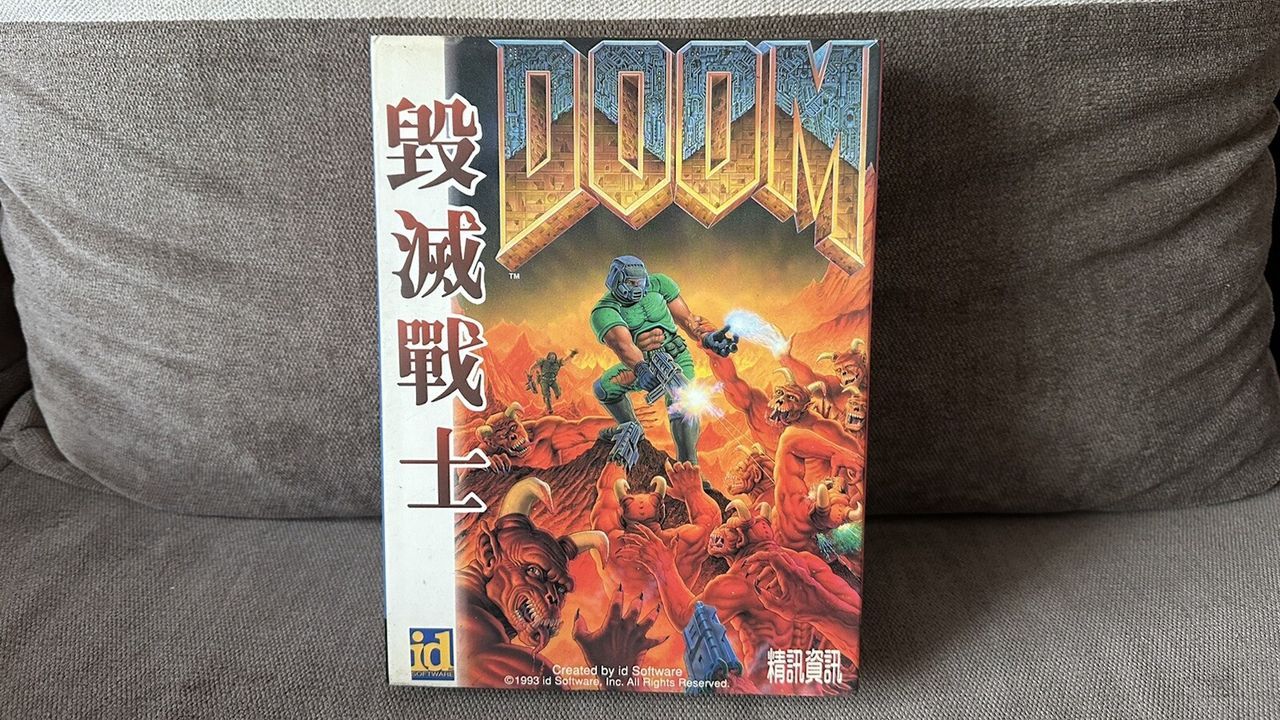
The Art of Distribution: How Doom’s Shareware Revolution Rewrote Gaming History
In the early days of PC gaming, a legendary title like Doom wasn’t just a game; it was a revolutionary distribution model. Instead of a single monolithic release, the game was distributed via the shareware model: the first chapter was free, and players were encouraged to support the developers by paying for the remaining episodes.
This innovative approach quickly created a wild ecosystem. While id Software focused on developing the experience, less-than-scrupulous resellers saw an opportunity. For a handful of dollars, copies of the hot new shooter could be found, circulating far beyond official channels in various forms, often packaged as convenient disk-in-a-box deals.
One might expect a studio founder to be outraged by people profiting from their creation without direct involvement. However, when asked about this phenomenon, co-founder John Romero offered a surprisingly open perspective, suggesting that the distribution itself was more important than strictly controlling the profit margins.
“Please do it,” Romero stated at QuakeCon. “Don’t give us any money. Just get it out there.” He reflected that the existence of multiple copies simply meant the game reached a wider audience, which he felt superseded the need for strict financial oversight regarding these early distributions.
Romero explained that their primary focus was on getting the game into the hands of gamers, particularly those who lacked easy access to mainstream distribution. In an era before the internet dominated gaming access, sharing and wide availability were essential catalysts for growth.
The early landscape meant that distributing software required navigating complex hurdles, such as long-distance phone calls or owning specialized modem technology to access systems like BBSes. This context subtly shifted the perception of copying; for many gamers at the time, obtaining a copy was not an organized criminal act but a necessary solution to technological limitations.
This laid the groundwork for id Software’s later stance on copy protection. Romero admitted that they decided not to pursue the costly and endless “war” against piracy. The sentiment was that if people wanted to play the game, they would find a way, and focusing resources on development rather than vigilant enforcement was the smarter move.
Ultimately, the history of Doom distribution is a fascinating case study in user-driven culture. It shows how innovation—whether it’s shareware or later concepts like free-to-play models—can redefine the relationship between creators and consumers, proving that sometimes, letting ideas flow freely is the best way to ensure they reach everyone.
Buy on Amazon
Credit