
Microsoft deletes 32 GB RAM recommendation
In the high-stakes world of PC gaming, where specs are king and prices are soaring, even the foundational advice from tech giants can shift with the market winds. Microsoft, a titan in the computing world, recently caused a stir by deleting support documents that recommended 32 gigabytes of RAM for serious gamers.
Initially, Microsoft’s support literature suggested that 16 gigabytes of memory was more than sufficient for most gamers. However, they indicated that 32 gigabytes were ideal only for those running the most demanding titles or utilizing heavy mods. This recommendation, however, vanished after a little while.
The change sparked immediate curiosity among PC enthusiasts. When users revisited the original links, they found them redirected to the Windows Learning Center instead of the specific support documentation. This quick pivot raised eyebrows, leading many to speculate that the shift wasn’t just an oversight but reflected evolving market realities.
The context behind this behavior seems tied to Microsoft’s broader hardware strategy. Just months prior, the company had declared 32 gigabytes as a “no-worries” upgrade in a separate announcement, which was also subsequently removed. This dual deletion suggests an intentional decision to adjust expectations, particularly as Microsoft prepares for new hardware launches.
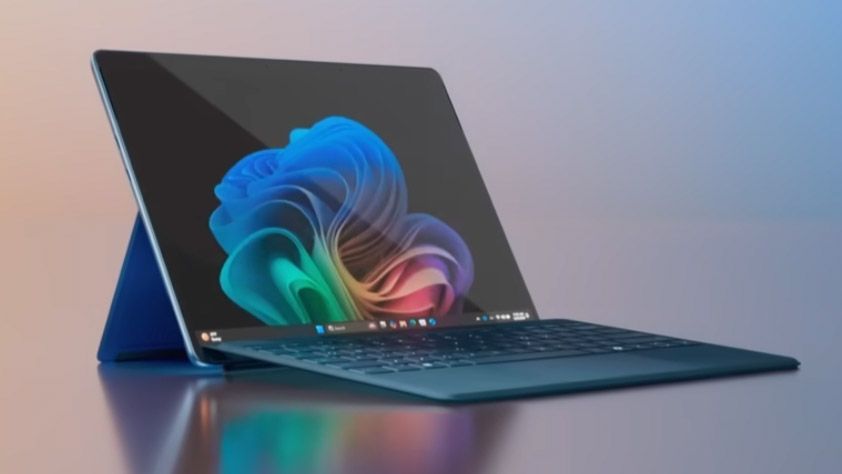
This move becomes even more intriguing when considering the simultaneous push toward more accessible hardware. Microsoft recently announced plans to bring back 8 gigabyte Surface laptops later this year, which don’t meet the requirements for being labeled a Copilot+ PC and are priced at an eye-watering $1,299.
The contrast between the ideal specs and the actual market reality paints a complicated picture. While some gamers aim for the full 32 gigs of DDR5 memory, others find that 16 gigs is perfectly fine. The essential takeaway remains: balancing performance desires with current hardware availability is the defining challenge for consumers.
Beyond Microsoft’s internal changes, the wider industry faces a palpable supply chain crisis driven by AI demand. The pursuit of advanced computing features means end-users are paying more and more for less storage and memory. This pressure creates friction across the entire ecosystem.
Major memory manufacturers are sounding the alarm. Samsung, one of the world’s largest providers of memory, has publicly warned about a “severe” memory supply crisis expected next year, while others are grappling with limited visibility into future supplies.
Meanwhile, other industry players are also struggling to keep pace with demand. AMD, having previously argued for the availability of memory solutions like Game beyond 4 GB of VRAM, has recently introduced entry-level graphics cards like the RX 9050, illustrating the intense race for resources.
As companies continue to invest heavily in artificial intelligence, the bottleneck is shifting from processing power to raw physical memory. The collective pressure on hardware supplies means that consumers are currently paying a premium while waiting for a sustainable solution. The question remains whether 2029 will finally usher in an era of stable supply, or if this memory crunch will define the next few years.
Buy on Amazon
Credit