
Nova Lake CPUs retain full cache pool despite E-core cuts
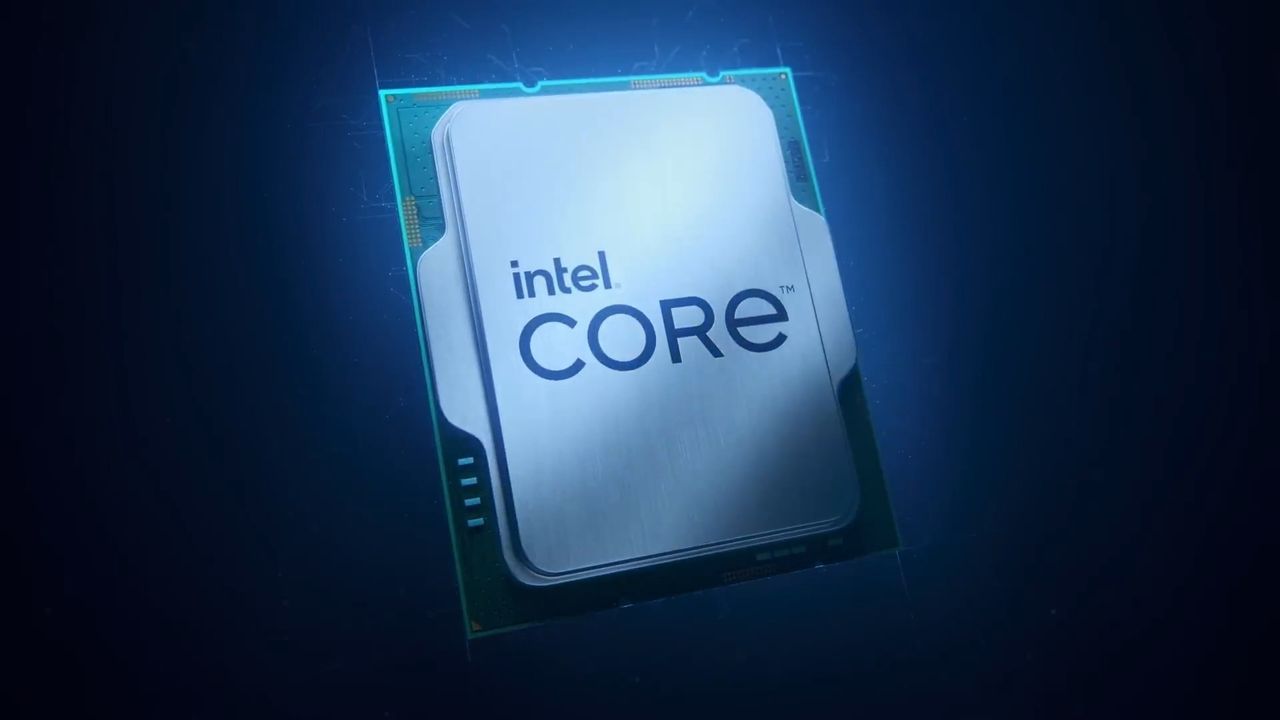
The race for CPU supremacy is heating up, and as anticipation builds for Intel’s upcoming Nova Lake architecture, new leaks are revealing some fascinating, if complex, details about how Intel is handling core configuration and cache management. Forget simple linear scaling; it looks like Intel is employing a more nuanced strategy, designed to keep high-end performance intact while juggling the demands of newer technology.
Recent insider reports suggest a significant shift in how Intel will manage L3 cache across its Nova Lake line. Previously, speculation centered on potential reductions in cache when certain E-core clusters were disabled. However, a fresh update indicates that this is not the scenario we once anticipated. Instead of scaling down the cache, Intel appears committed to maintaining the bulk of the L3 cache, even when specific E-core configurations are partially disabled.
This strategic decision introduces an element of complexity, suggesting that performance isn’t solely dictated by core count but by how Intel segments its silicon. For instance, configurations like the 8+12+4 SKU, which features cut-down E-cores, are rumored to retain a larger L3 cache than expected—potentially matching the configuration without those disabled clusters.
The picture isn’t entirely monolithic. Leaks also hint at internal segmentation, meaning not all SKUs are treated equally under this new system. While some mid-range configurations might benefit from increased cache capacity, other lower-tier options remain constrained, demonstrating that Intel is tailoring performance based on specific silicon arrangements rather than a blanket rule.
This complex approach sits alongside Intel’s larger ambition: the introduction of brand-new technologies like bLLC (Base Layer Last Cache) to directly challenge rivals like AMD’s 3D V-Cache. It is expected that this new caching strategy will primarily benefit mid-to-high-end CPUs, further cementing a performance gap between the premium chips and their lower-spec counterparts.
In the realm of rumors, the specifics are getting incredibly detailed. For example, some configurations are said to retain 36MB of L3 cache when others might have previously seen figures as low as 33MB, showing that Intel is managing these silicon features with precision. This suggests a focus on maximizing the value of the overall die rather than making simple cuts.
Ultimately, while these are unconfirmed whispers from the tech world, they paint a picture of an internal evolution underway at Intel. It’s a story not just about raw numbers, but about how future processors will be designed—a carefully engineered blend of ambition, strategy, and cutting-edge architecture.
Buy on Amazon
Credit