
Nvidia’s $500B bet ends AI funding fears
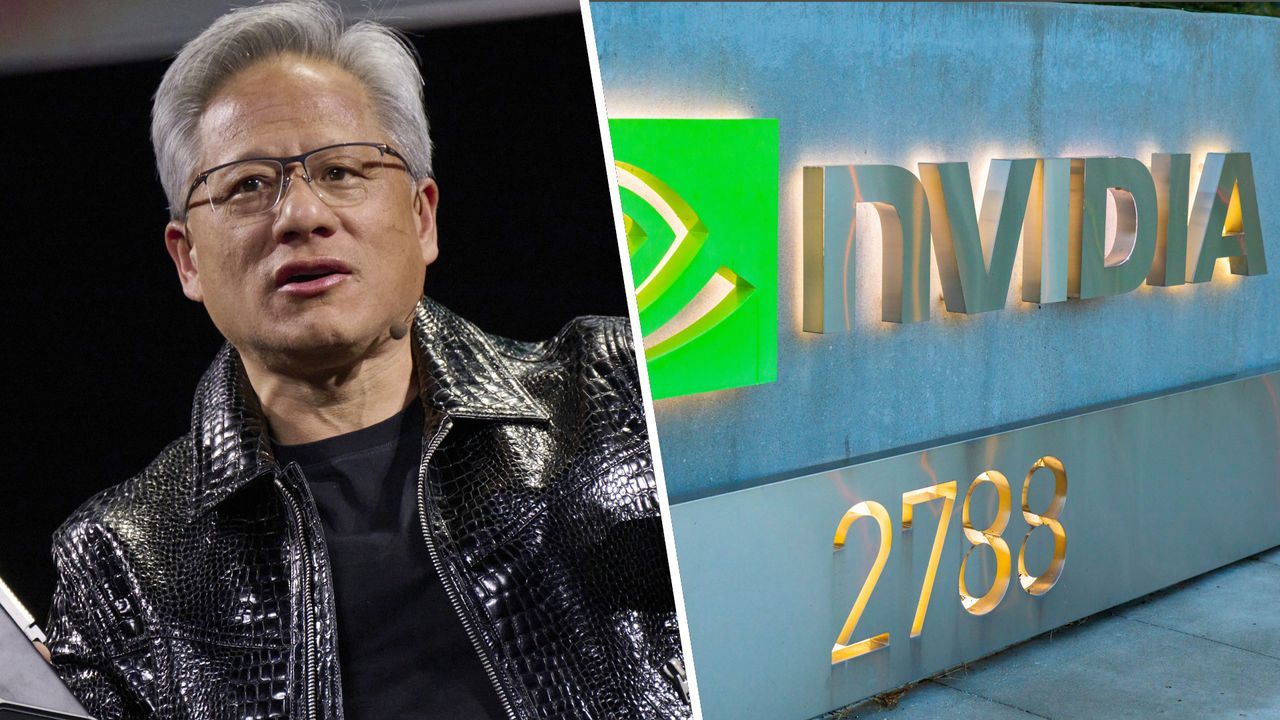
Nvidia has opened up a massive new frontier in finance, signaling that the colossal demand for artificial intelligence infrastructure is finally translating into tangible, investable assets. The company announced it will receive over 500 billion dollars of third-party capital from major banks and investment firms to establish financing platforms for AI compute infrastructure.
This move is more than just a financial transaction; it is an attempt to redefine how the AI economy is funded. Nvidia suggests that the specialized “AI factory” compute is rapidly becoming an investable asset class, setting the stage for what some are calling an open capital market.
The vision behind this initiative is elegantly simple: independent institutional investors will underwrite specific AI projects—covering customer demand, utilization, cash flow, and residual value. Nvidia’s role is to provide the foundational platform, allowing these external capital providers to make independent financing decisions for the burgeoning infrastructure market.
This approach addresses a key concern within the rapidly accelerating AI space: circular financing. By allowing investors to fund specific projects—from frontier AI labs to cloud providers and service countries—the initiative aims to create a self-sustaining loop where capital flows directly into building out the necessary AI services.
However, while the optics of this deal are tremendously positive, financial observers are tempering the excitement with a dose of realism. The very idea of circular financing is already in motion through existing partnerships involving giants like BlackRock, Microsoft, and Nvidia, suggesting that institutional funds are already deeply entwined in AI investments.
Yet, the sheer scale of this new $500 billion partnership raises important questions about market stability. As the reliance on AI for economic growth intensifies, some analysts point to the possibility that the industry, while booming now, could face significant volatility if the underlying bubble experiences a downturn.
Some financial commentary suggests that this monumental investment might be less about immediate solidification and more about buying time. The ultimate return on investment hinges on whether AI delivers the promised exponential gains quickly enough to withstand potential market shifts.
Ultimately, while Nvidia has paved the way for a new infrastructure financing mechanism, the true test lies ahead. It remains to see if this vast influx of capital solidifies a sustainable growth engine or simply serves as a temporary buffer before the inevitable fluctuations that often accompany rapid technological booms.
Credit

