
PC Fan AC Scam German Org Says It’s Cheaper
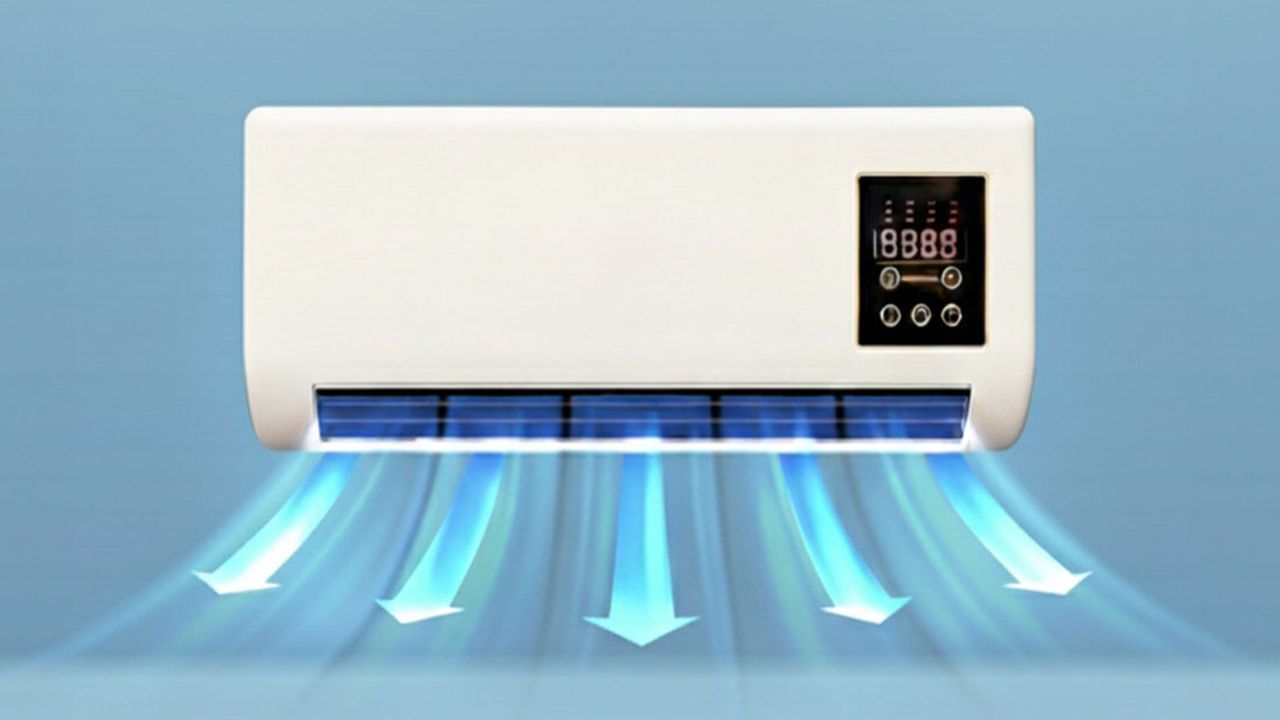
As the European summer heat intensifies, the quest for affordable cooling solutions has led many consumers to seek out new gadgets. Amid this search, a brand named Epicooler has entered the market, aggressively marketing its devices as legitimate air conditioners. However, consumer watchdog groups are sounding the alarm, suggesting that some of these hot deals are less about climate control and more about clever marketing.
Germany’s leading consumer testing organization, Stiftung Warentest, has stepped in to expose what many believe is a deceptive practice. Their investigation revealed that some of the advertised air conditioners from Epicooler are not actual cooling units, but rather a simple combination of a personal computer fan and a small heating element.
The deception is stark. When tested, the devices failed to perform their advertised function. In a mode marketed as ‘Cold Wind,’ the Epicooler units demonstrated no ability to genuinely reduce room temperature. In fact, when the heating element was activated, the units quickly became so hot that testers chose to switch them off.
This stark difference between marketing and reality highlights a serious issue: the devices are selling the illusion of climate control while providing only minimal, localized heating or airflow. The devices are marketed with flashy, AI-generated videos across social media and online magazines, making them appear as sophisticated solutions while operating under the guise of legitimate air conditioning technology.
The prices are particularly eye-catching. While a genuine air conditioner can cost significantly more, these fake units are sold at a fraction of the price—sometimes as low as €163, which is about $188. This bargain pricing is likely the key to the operation, allowing the products to bypass stringent national consumer protection laws and regulatory oversight.
The source of these devices is consistently China, shipped globally even when local warehouse stock is advertised. This practice is suspected as a tactic to sidestep scrutiny from national regulators and consumer protection agencies regarding product description accuracy and refund policies.
This kind of operation is designed to be easily manipulated, allowing manufacturers to switch brands and reappear under new names once the initial regulatory heat has passed. It turns consumer interest in cooling into a potentially misleading, low-risk purchase.
Stiftung Warentest concluded with a clear message for consumers: tread carefully. When faced with a deal that seems too good to be true, it is wise to pause and remember the simple maxim: if something seems too good to be true, it probably is.
Buy on Amazon
Credit

