
Sam Barlow guides you through elegant roguelike games
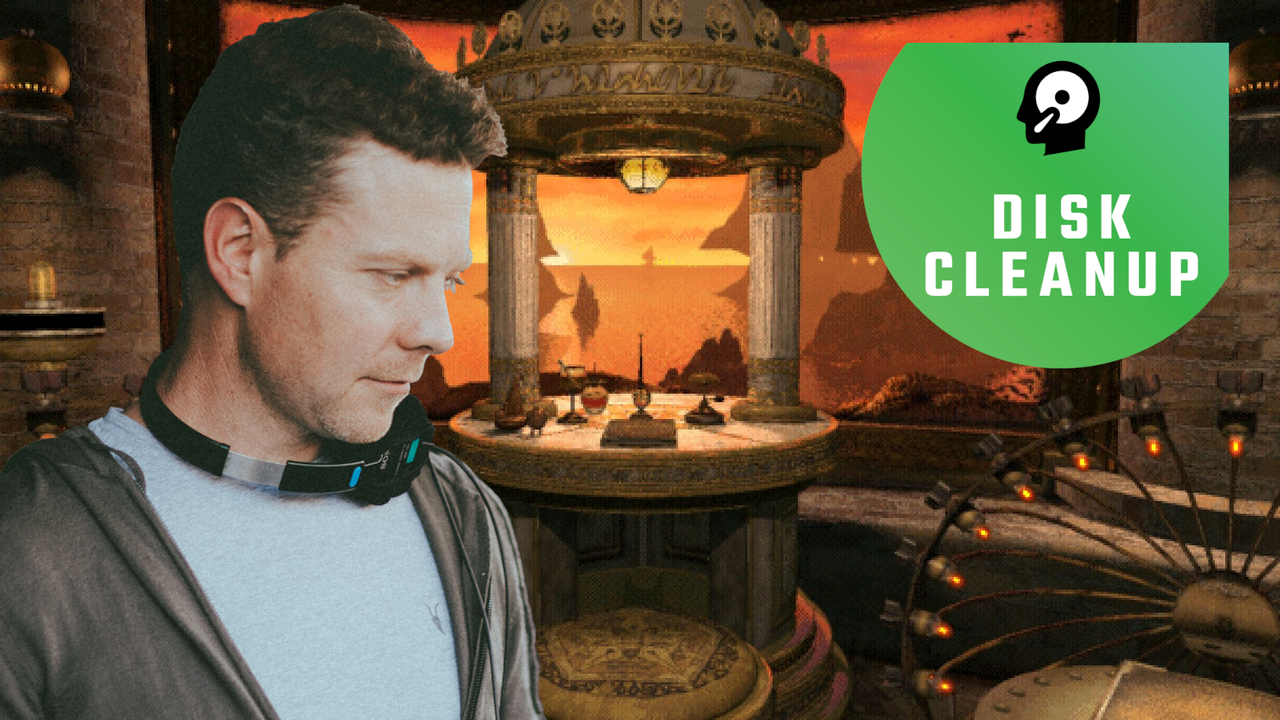
When you delve into the world of interactive fiction and game development, you encounter some truly unique minds. Sam Barlow, known for directing the acclaimed Her Story, is a pioneer who expertly blends filmic video with investigative branching narratives. From his earlier work like Ghost Rider and Silent Hill: Shattered Memories, Barlow has continually pushed the boundaries of storytelling in gaming, experimenting with live-action footage and interactive narrative in projects like Telling Lies and Immortality.
Despite the high-profile projects, Barlow also finds time to explore the depths of his Steam library, turning his focus toward personal gaming adventures. He is currently immersed in finding the right space for games like 868-BACK, a title that taps into the addictive thrill of the roguelike genre.
Barlow appreciates the elegant, deconstructive approach to roguelikes—what he calls the “molecular gastronomy of Rogue.” He finds delight in games that break down genre elements and refine them until a single mechanic becomes an entire universe. However, the high-stakes nature of these games demands attention. The spikiness of titles like 868-BACK reminds him of intense experiences like Resident Evil 4, where the lack of safety puts immense strain on the player. He emphasizes that achieving mastery requires pushing boundaries, recognizing that failure—even negative scores—is an essential part of the learning process.
In contrast to the high-stress world of roguelikes, Barlow also appreciates games designed for atmospheric pacing. For instance, he revisited Warp Interactive’s D: The Game. Though perhaps not the most elegantly designed point-and-click experience, it possessed a unique cinematic quality and atmosphere that captivated him. The game’s time limit—only two hours without save options—was a deliberate choice, designed to make the player consume the narrative like a movie rather than a typical game session. He plans to return to D: The Game once his distractions are managed, determined to fully engage with its world.
The love for deep, atmospheric games extends back to classic adventures. Barlow maintains copies of foundational titles like Taito’s 1988 The New Zealand Story, a masterpiece maze game. On the digital front, he keeps older classics installed, such as Interplay’s Dragon Wars from 1989.
Another piece of gaming history that holds a special place is Bard’s Tale 4, helmed by Rebecca Heineman. This game brilliantly utilizes skill checks in a unique way, forcing players to think outside the box—for example, using the skill “hide” within a pile of corpses to bypass guards. These unsignposted, creative solutions offer a real delight when executed successfully, demonstrating how deep gameplay mechanics can reward imaginative thinking far better than modern simulations.
Ultimately, Barlow’s collection reveals a passion for games that prioritize atmosphere and unique mechanics over raw realism. Whether it is the lush landscapes of Shiren the Wanderer: The Mystery Dungeon of Serpentcoil Island, which offers over five hundred hours of exploration, or the stunning visual depth of Riven, he values games that create a tangible world. For Barlow, gaming remains an unparalleled pursuit, supported by essential tools like Fade In screenwriting software, allowing him to focus on the art of storytelling without getting bogged down in technical hurdles.
Buy on Amazon
Credit