
See the most exciting retro game recompilations now
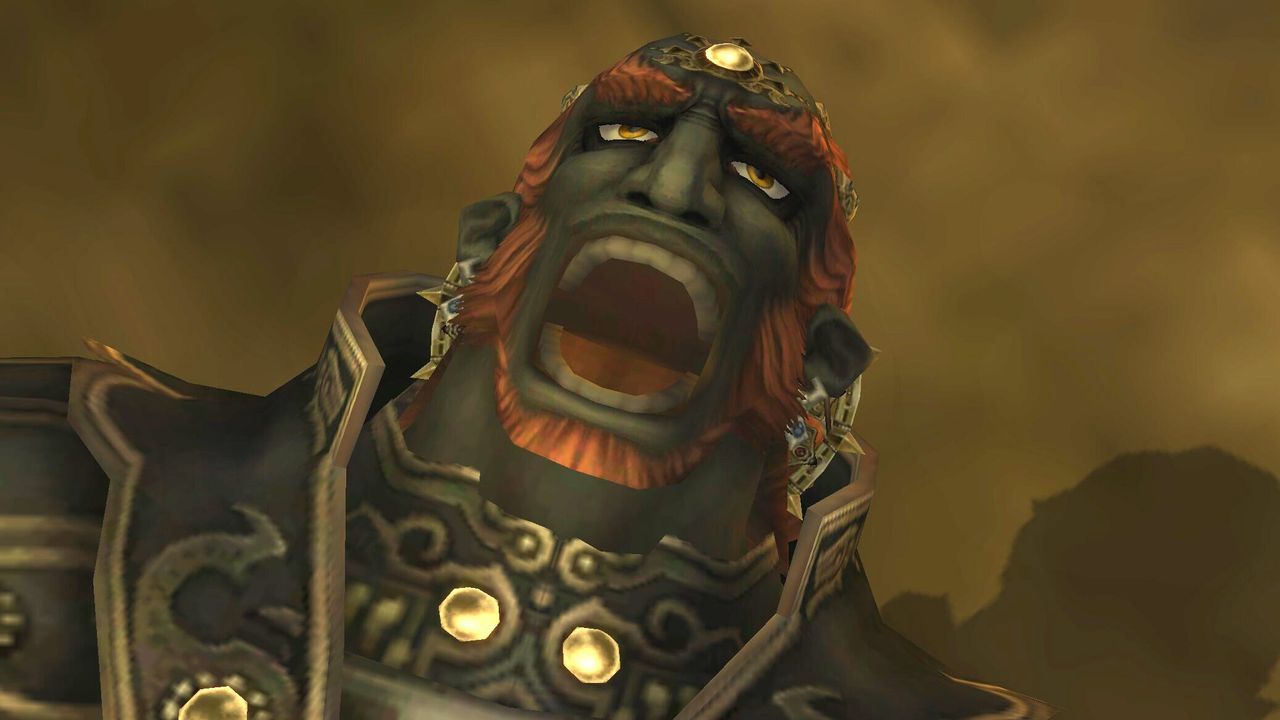
In a few months, Nintendo is set to unveil a shiny remake of The Legend of Zelda: Ocarina of Time for the Switch 2. As one of Nintendo’s most cherished crown jewels, fans anticipate that this new iteration will be remarkably faithful to the original while integrating modern graphics, refined controls, and other thoughtful touches—much like the custom experiences we have been able to explore on PC since 2022.
This enthusiasm mirrors a thriving, parallel movement happening right now: the community-driven effort to breathe new life into retro classics by reverse-engineering their code. This is where the real magic is unfolding, turning old console games into dynamic, modern experiences.
One prime example of this dedication is Ship of Harkinian, a project built by dedicated developers focused on painstakingly rewriting the Nintendo 64 game’s code. This effort isn’t just about porting; it involves building powerful tools that offer players incredible customization. For instance, Ship of Harkinian includes features like built-in randomizers, comprehensive accessibility options such as text-to-speech, autosaving, and tunable difficulty settings.
The potential for creative freedom extends further through extensive modding. Hundreds of mods are available, allowing users to radically transform the game experience—from using character models from older ports to enabling play as alternative characters, or enhancing the user interface to HD quality. This community has demonstrated that old games are far from static relics; they are living canvases for endless innovation.
To make this massive undertaking possible, developers have created innovative frameworks like ReXGlue, RecompOne, and N64 Recompiled. While developing a full recompilation remains a major feat of skill and dedication done by enthusiasts on their own time, these tools make the process far more approachable than ever before.
This landscape, however, is not without its growing pains. The influx of low-effort, rushed projects sometimes creates frustration for those who have spent years perfecting these sophisticated tools. There is also the challenge of distinguishing genuine, dedicated community work from content that prioritizes speed over fidelity, especially with the rise of AI-generated assets rushing into the development scene.
Despite these challenges, static recompilation remains the most exciting development in the video game world right now. The core logic dictates that converting code to a modern language your PC understands is often far more efficient than simply emulating an entire console system. This efficiency allows recompiled games to run smoothly on surprisingly modest hardware.
This approach delivers a truly magical experience. For example, playing community-modified ports of titles like The Legend of Zelda: Twilight Princess, enhanced with modern resolution support and high framerates, has proven transformative. Users report features like intuitive gyro aiming and quality-of-life toggles that simply outclass some official preservation efforts by injecting new life into classics while making them more accessible.
This trend is not isolated to one game; it’s a sweeping movement impacting the entire library of retro titles. Notable recompilations have already appeared for games such as Jak 3, Twilight Princess, and Pokémon Crystal, alongside ambitious co-op projects like sm64coopdx for Super Mario 64. Projects like Dinosaur Planet: Recompiled are meticulously restoring unfinished versions of games that once held incredible potential.
The scope of this work is vast, with hundreds of games currently undergoing decompilation efforts, and many more exciting ports already public, including titles such as Donkey Kong 64, Castlevania: Symphony of the Night, and Animal Crossing. The future of retro gaming isn’t just about preservation; it’s about reinvention—a testament to how dedicated fans are pushing the boundaries of what old games can be.
Buy on Amazon
Credit

