
Sony ignores customer demands says gaming preservationists
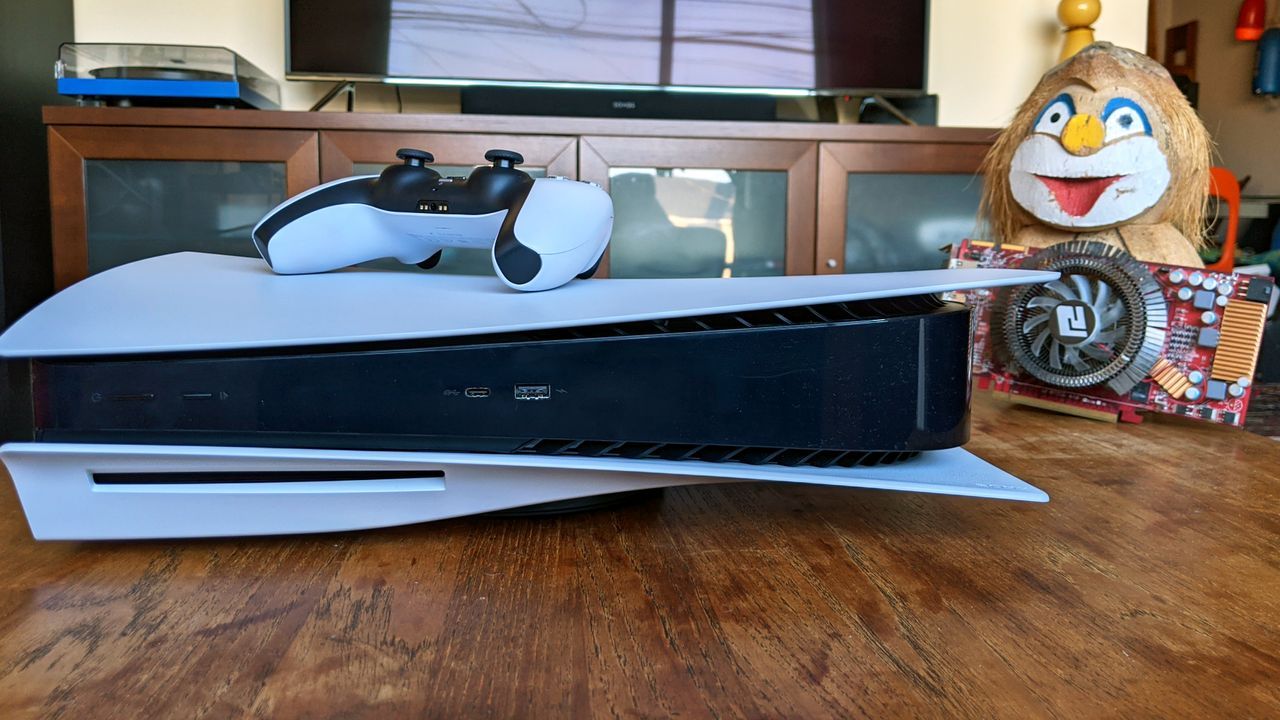
The gaming world is currently engaged in a quiet but intense battleground: the future of physical game discs. While PC gamers have long since transitioned to digital distribution, the fight over physical media ownership has recently intensified on console platforms, signaling a significant shift in how we understand and value our games.
Big industry players like Sony are moving toward phasing out support for physical discs, decisions that have ignited a powerful counter-movement among advocates determined to preserve this tangible connection between player and product. This pushback is driven by a fundamental belief: customer rights in the gaming space are often overlooked, and honest communication from companies has been scarce.
Organizations like Does It Play are dedicated to documenting what can be played without a download or offline, demonstrating that a substantial portion of physical games remain inaccessible without an internet connection. Testing has shown that a significant percentage of PS5 and Xbox Series X games do not function fully without a prior download, highlighting systemic issues with access and ownership.
Advocates argue that physical discs offer tangible benefits that digital distribution struggles to replicate. They provide a clean preservation method for version 1.0, allowing future generations of players to experience the game exactly as it was released. Furthermore, retaining physical media limits storefront holders’ ability to monopolize pricing and control the lifecycle of content.
“Less options for people is always a bad thing,” notes one leading voice in the movement. They argue that if purchased goods can be taken away or altered at will, player freedom is severely curtailed. This perspective suggests a historical symbiosis between developers and players—a mutual exchange—that has recently morphed into what some view as exploitation.
Concerns extend beyond mere cost. When physical media is removed, the line between ownership and temporary access blurs. The concern is that reliance on digital distribution introduces dependence on third-party servers, which could lead to games becoming inaccessible if official support ends or systems fail.
This dilemma forces a look at the broader trend of gaming monetization. Experts point to projections suggesting the industry may move toward a commercial streaming model within the next few years, where ownership rights are significantly diluted for the consumer. This shift amplifies the need for physical media as a final line of defense for true game ownership.
While this fight is acutely felt by console owners who lack alternative storefront options, PC gaming offers a different vantage point. The digital landscape on PC has seen more freedom with DRM-free marketplaces like GOG, allowing players to download offline backups and install games across multiple machines without being shackled by online dependencies.
For many, the physical disc represents an important final bastion of ownership—a tangible artifact that guards against the growing trend toward hyper-arrogant “take it or leave it” attitudes. Though physical media may not become mainstream again, its role as a safeguard for player autonomy remains crucial in this evolving digital era.
Buy on Amazon
Credit

