Stealth USB hides encrypted data behind a decoy drive
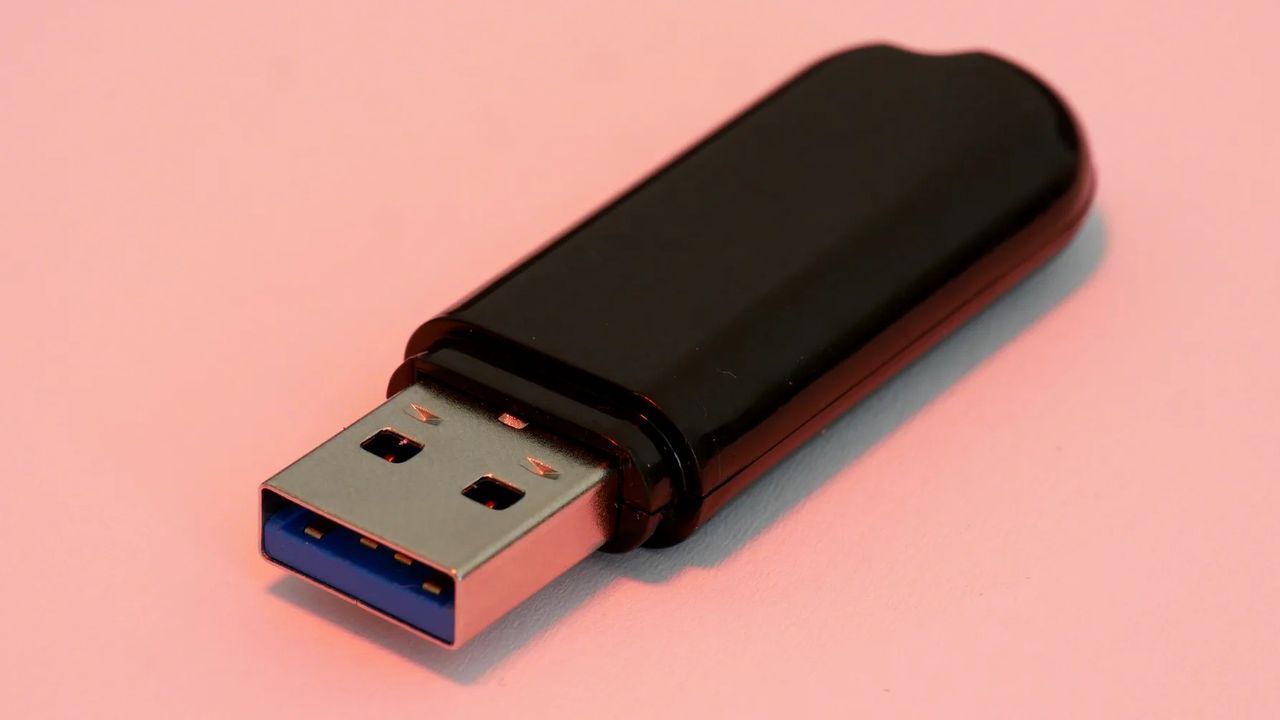
Meet the Phantom Drive, a storage device that looks exactly like what you expect: a mundane 8GB USB stick made of cheap plastic. From the outside, it offers no clues to the digital espionage hidden within. Yet, when plugged in, this seemingly ordinary drive is anything but boring. Beneath its unassuming shell lies a sophisticated mechanism designed for one purpose: complete digital invisibility.
The magic begins deep inside. Instead of relying on conventional storage chips directly on the board, the Phantom Drive operates by cleverly utilizing a microSD card. This card serves a dual role, holding both the decoy partition and the highly secret, encrypted payload. The drive only awakens its hidden secrets when the user performs a specific action—creating a new text file—triggering a complex process that initiates the unlocking sequence for data secured with AES-256 encryption.
This device is engineered not just for security, but for evasion. Its core innovation lies in how it handles data transfer. The custom firmware intercepts raw packets traveling over the USB bus without alerting the operating system. It passively monitors file transfers, waiting for a specific password string. When detected, the firmware scrambles the data using advanced hashing techniques—combining the unique hardware ID of the microcontroller with the user’s input and running the process hundreds of thousands of times to generate an unbreakable key. This deliberate delay acts as a powerful deterrent against any brute-force attempts.
The result is masterful stealth. The drive ensures that even if someone physically removes the microSD card or tries to access the storage through a standard slot, the data remains completely locked away. It even features options for spoofing hardware identifiers, allowing the device to convincingly masquerade as other brands, making it virtually undetectable by scanning software.
The design philosophy behind the Phantom Drive is deeply utilitarian and political. Created by Ryan Walker of Rootkit Labs, the project was conceived to provide a means of bypassing systems that fail to respect fundamental encryption rights. It is technology built to ensure digital freedom for those who need it most.
Technically, the device utilizes an inexpensive CH569 microcontroller and custom hardware blocks to manage the process. While limited by USB 2 speeds—offering choices between AES-CTR and AES-XTS modes for data transfer—the system remains highly effective. For those seeking control over their digital secrets, the Phantom Drive stands as a compelling example of how accessible technology can be harnessed for profound security.
The project is available both as a purchasable product from Rootkit Labs or through open-source blueprints on GitHub, allowing anyone to build their own version. The goal is clear: to create tools that slip past oversight and ensure that digital privacy remains sovereign.
Buy on Amazon
Credit