
Suspicious vessel damages undersea cables off Perth
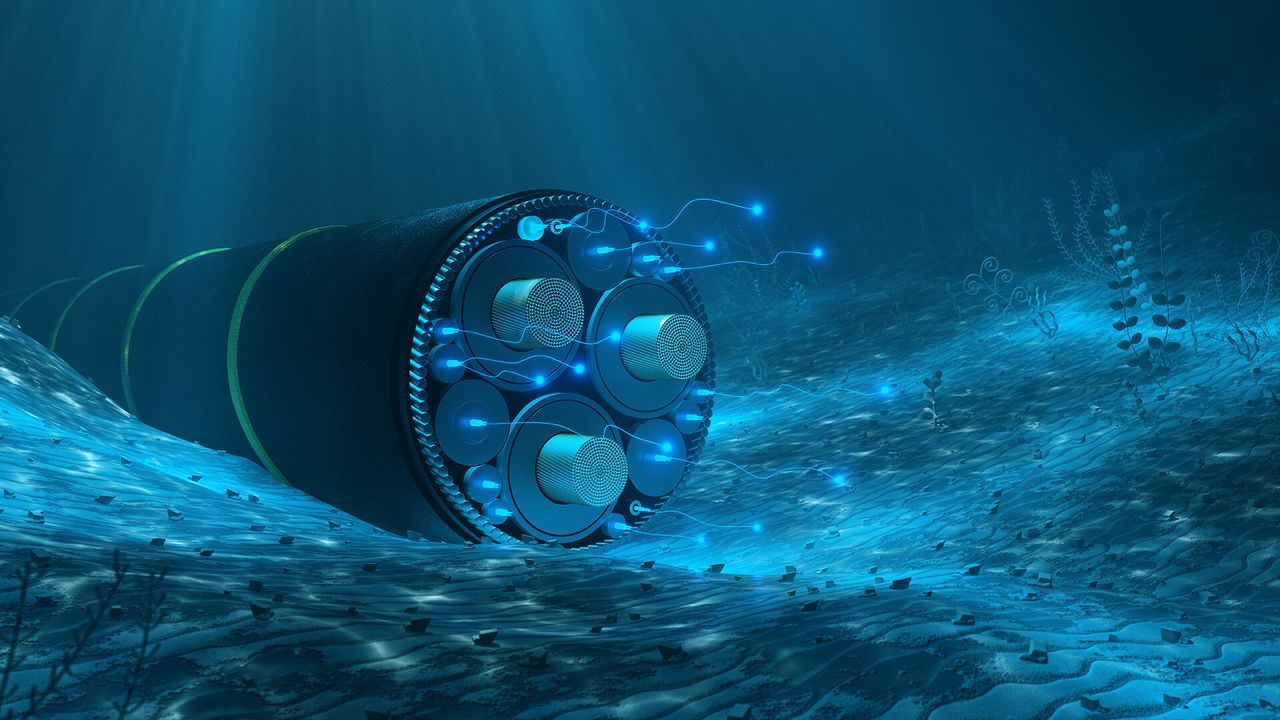
The digital infrastructure that powers modern Australia is facing an unseen threat, as reports emerged detailing serious faults in crucial undersea cables. The issues involved two major lines—the Indigo-West, which connects Perth to Indonesia and Singapore, and the Indigo-Central, serving endpoints across Victoria, Tasmania, and New South Wales—which simultaneously reported shunt faults in close succession and in very close proximity.
These incidents occurred while a vessel was traversing the area, raising immediate suspicions of deliberate damage. The timing and proximity of the errors led experts to wonder if the problems were coincidental, or if intentional sabotage had taken place.
The seriousness of the situation prompted an urgent response from law enforcement. The Australian Federal Police received a report concerning this matter and launched an investigation, strongly suggesting that the cables may have been cut as an act of sabotage.
These lines are more than just communication channels; they are the digital lifeblood of the nation, making any disruption critically concerning. Although the exact cause of the shunt faults is still under investigation, a shunt fault occurs when the cable’s insulation breaks, causing a short circuit by allowing conductors to unintentionally touch each other or the ground.
The incident took place within the Submarine Cable Protection Zone off Perth, an area designated in 2007 with a boundary extending 51 nautical miles at depths exceeding 6,500 feet. This zone was established precisely to safeguard this vital infrastructure.
While Australian authorities investigate the crime aspect of the event, the broader context points toward a global struggle where nations are increasingly cutting undersea infrastructure as part of what is often termed gray zone warfare.
Other nations have faced similar pressures. For instance, Finland has undergone disruptions to its undersea cables in recent years, leading to investigations into suspected sabotage by vessels. Meanwhile, Taiwan has actively increased naval patrols around its cables, closely monitoring ships and suspicious activity. There are also ongoing concerns regarding foreign vessels, such as Chinese “research vessels,” being spotted lurking above critical fiber-optic systems.
The growing threat facing these global arteries underscores the vulnerability of interconnected communication networks in an increasingly complex geopolitical landscape. The immediate focus remains on uncovering what caused the faults and determining the culpability for this alarming incident.
Buy on Amazon
Credit