
Take a great Tech Pause
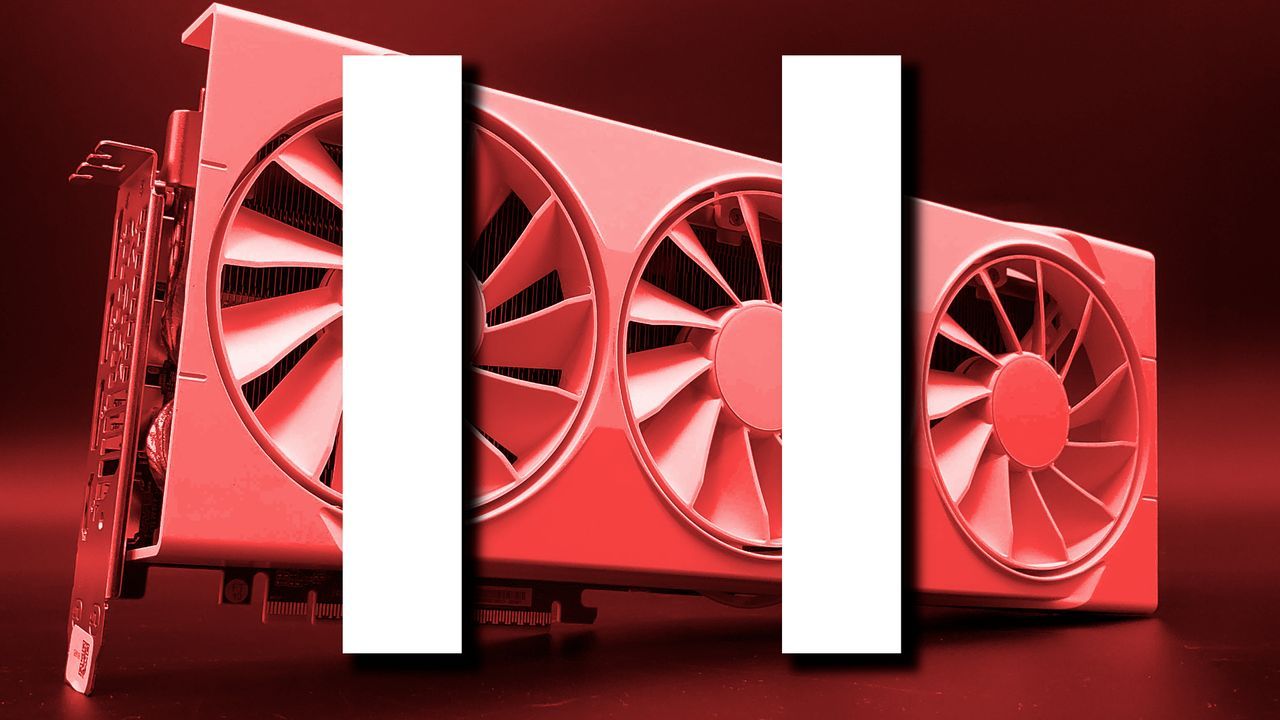
Let’s take a moment to look at the current state of the gaming world, because frankly, the scoreboard is absurd. We are seeing a Steam Deck costing $1,000, high-end gaming PCs demanding $7,000, and even the PlayStation 5 starting at $650—a massive jump from its launch price just six years ago. Meanwhile, basic storage is priced like rent money. The cycle of continuous hardware inflation continues unabated.
This relentless climb in cost signals that the market isn’t driven by innovation; it’s fueled by greed. For the average person, the newest technology feels increasingly out of reach. It becomes hard to justify spending top-of-the-line money on components when nearly every other essential part of life is more expensive than ever.
What should we do with this reality? Instead of mourning the inflated prices, perhaps it’s time for a strategic pivot. We can challenge the obsession with the “latest and greatest” and refocus our attention on what we already have. Embrace your mid PC! Get intensely interested in controllers, dive into emulation handhelds, or discover the wonderful world of Linux, which offers incredible freedom over your own desktop. This is the great Tech Pause—and it could be better.
The focus shift allows us to appreciate that our existing hardware is already amazing. Generational improvements in graphics have largely stagnated, and manufacturers now pitch futures where every game looks so real it’s boring. The quest for hyper-realistic visuals often seems less about true gameplay and more about chasing AI-driven beauty standards, leaving developers with a choice: prioritize stunning visuals or solid content.
This stagnation has ironically pushed developers toward quality over quantity. Games like Kingdom Come: Deliverance 2 prove that deep, immersive RPGs scale surprisingly well on older systems. Many of the top-rated PC games don’t require cutting-edge hardware; they simply require smart design. It’s time to look backward and find the treasures we’ve overlooked.
The realm of decompilation and community creativity is a vibrant new battlefield. Developers, both big and small, are recognizing the diminishing returns of extreme graphics and are embracing accessibility through open-source tools. Projects that reinterpret classic games—like The Legend of Zelda: Twilight Princess—are getting modern updates that outclass traditional preservation efforts by adding better resolution support and quality-of-life features.
This movement is powered by a community spirit that doesn’t need an expensive GPU. Portable emulation handhelds, such as the surprisingly powerful AYN Thor, allow players to access deep libraries of games through accessible hardware. These devices offer creative shapes and pocketable power, exposing the limitations of standardized gaming layouts and encouraging a more experimental approach.
Whether you are tinkering with open-source software or exploring the possibilities of retro ports, there is an incredible freedom waiting. Embracing this spirit means prioritizing form factor, open source, and preservation over simply chasing the next expensive piece of silicon. It proves that the true thrill in gaming isn’t about the graphics card; it’s about the boundless potential of the experience itself.
Buy on Amazon
Credit

