
Turning this TTRPG into the ultimate videogame experience
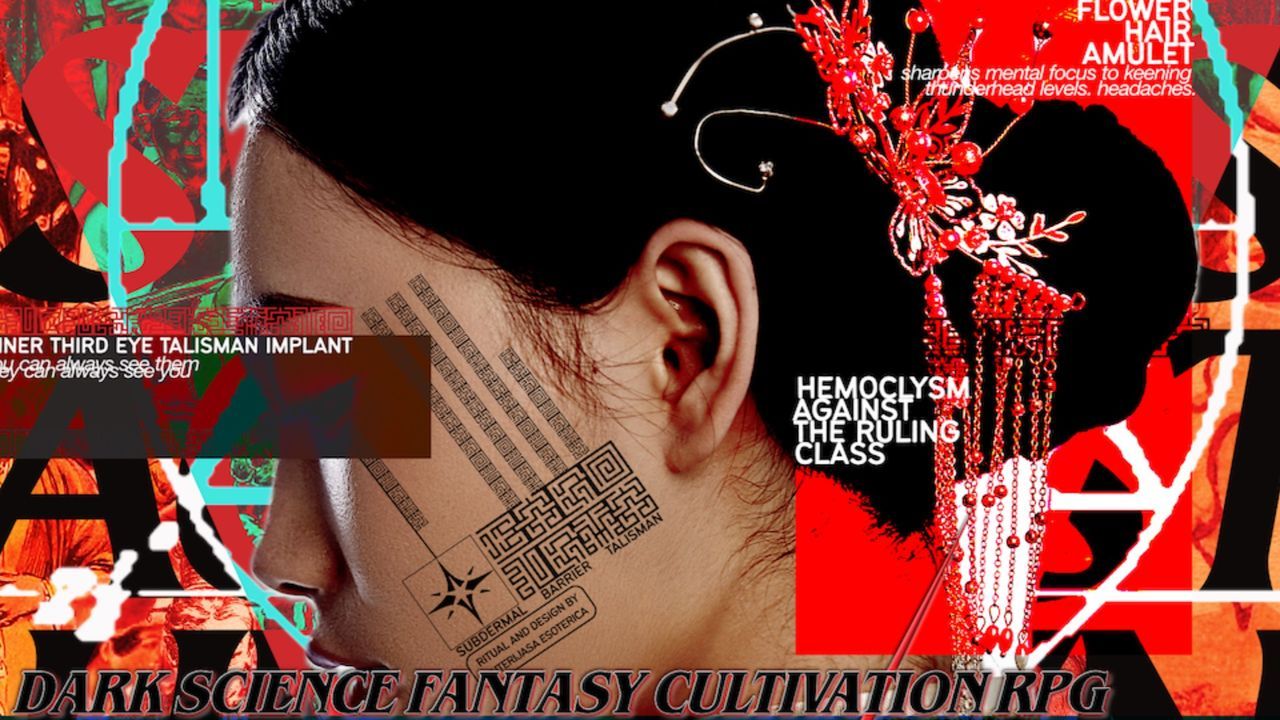
There are games that simply entertain, and then there are those that feel like a philosophical manifesto wrapped in blistering action. Encountering the latter can change your perception of what a tabletop role-playing game can achieve, and that is exactly the feeling I got diving into JK Saavedra’s 10,000 Swords Against Heaven.
Billed as a dark science fantasy cultivation RPG, the game throws players into the post-nuclear landscape of Hingsajagra—a world “ravaged and murdered and defiled by the movement of history.” This isn’t just a backdrop; it’s a space designed for revolutionaries. Players step into the role of Wanderers: outcasts, radicals, and revolutionaries who cultivate their inner selves, striving to embody the Unalienated Human and Revolutionary Consciousness as beacons for the oppressed.
The core premise is less about fighting monsters and more about grappling with power. You are mystics, vagrants, and communist kung-fu wizards navigating a brutal war against the Heavenly Bourgeoisie. Your journey involves mastering techniques, magicks, and experiencing Reality to cultivate indomitability, all while striving to strike at the Heavenly Mandate of the Neoliberal World Order.
Character development is driven by deep intellectual concepts rather than simple combat prowess. Instead of standard attributes, players focus on vital qualities such as Violence, Word, and Dialectics. This system forces players to engage with complex social and ideological dynamics just to survive the chaos of their world.
The game’s setting is rich with cultural depth, populated by unique factions like the Aswang assassins, Fangshi fighters, and Sword Dialecticians. It feels less like a standard fantasy epic and more like an exploration of Southeast Asian culture woven into a revolutionary framework.
What truly elevates 10,000 Swords Against Heaven is its profound literary weight. It possesses the sweep and urgency of a revolutionary text and a religious exhortation, all delivered through striking artwork. The narrative feels relentlessly surprising, unique, and joyfully liberatory.
The creative influences are staggering. The game subtly echoes the narrative intensity of works like Disco Elysium, yet grounds itself firmly in the distinct culture and history of Southeast Asia rather than post-Soviet roots. The acknowledgments themselves name-check giants from philosophy and art, including Karl Marx, Walter Benjamin, Bloodborne, Jujutsu Kaisen, and Hannu Rajaniemi, alongside influences like The Raid.
This blend of high-stakes action, deep philosophical inquiry, and rich cultural history creates an experience that is both intensely personal and universally resonant. It’s a testament to how gaming can serve as a vehicle for exploring profound ideas about consciousness and revolution.
Buy on Amazon
Credit

