
Texas slams brakes on data center power demand moratorium
Texas Governor Pauses Data Center Boom Pending Grid Audit
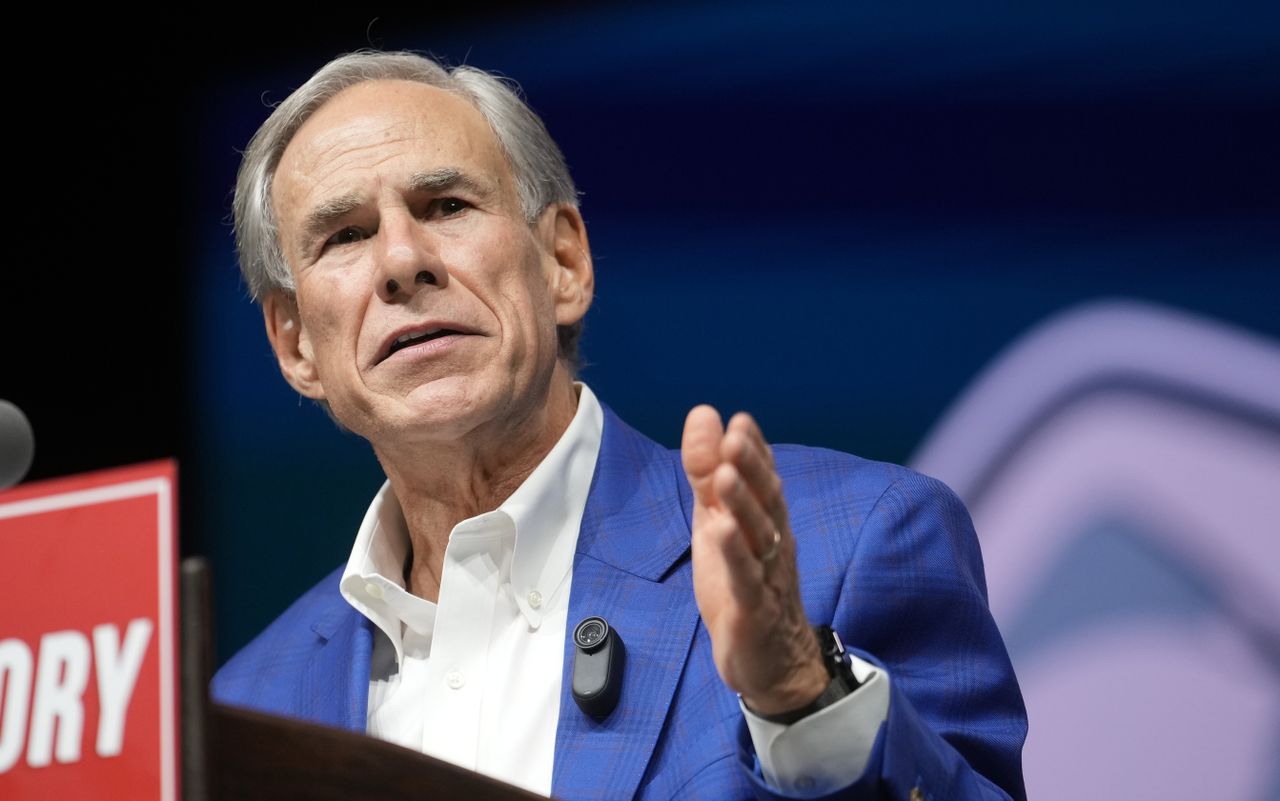
Texas Governor Greg Abbott has issued a significant directive, placing a moratorium on all data center approvals through the Public Utility Commission of Texas (PUCT) and the Electric Reliability Council of Texas (ERCOT). The pause is conditional: regulators must complete an audit of these proposed data centers before they are allowed to connect to the state’s electric grid. In essence, the governor is prioritizing safety and quality of life, demanding that any project seeking grid access prove its compliance with strict criteria.
The objective of this halt is rooted in ensuring transparency regarding massive energy consumption and environmental impact. Applicants must now furnish detailed information covering tax break specifics, power use and generation, water usage and cooling operations, community impact reduction measures, and facility ownership. If these required details are not submitted, connection to the Texas grid will be denied.
This regulatory tightening comes at a critical time for an industry rapidly expanding across the state. Currently, more than 1,800 data center projects are awaiting the necessary go-signal from the regulators to connect to ERCOT. These applications represent a staggering energy demand; the combined connection requests are expected to put a demand of 474 gigawatts on the grid—five times the current peak demand recorded by ERCOT and significantly higher than the projected demand forecast for data centers by 2035.
While this measure serves as a critical check on development, it is important to note that it does not constitute a statewide ban. Exemptions apply to projects outside of ERCOT’s jurisdiction, meaning data center developments in areas like El Paso can proceed unimpeded. Furthermore, any project that manages its own power generation remains unaffected, as they do not need to connect to the ERCOT system.
Despite the move, some industry opponents view the directive as insufficient. They argue that executive action alone is not enough to regulate an industry already considered the second largest in the U.S. after Virginia. Critics contend that these directives are merely political posturing rather than substantive legislative change, calling for laws with genuine teeth instead of what they describe as “empty political rhetoric.”
The tension between rapid technological expansion and necessary public oversight remains palpable as Texas navigates the complexities of hyperscale development and energy infrastructure.
Buy on Amazon
Credit

