
Kioxia and Sandisk reach world’s highest density 3D NAND flash
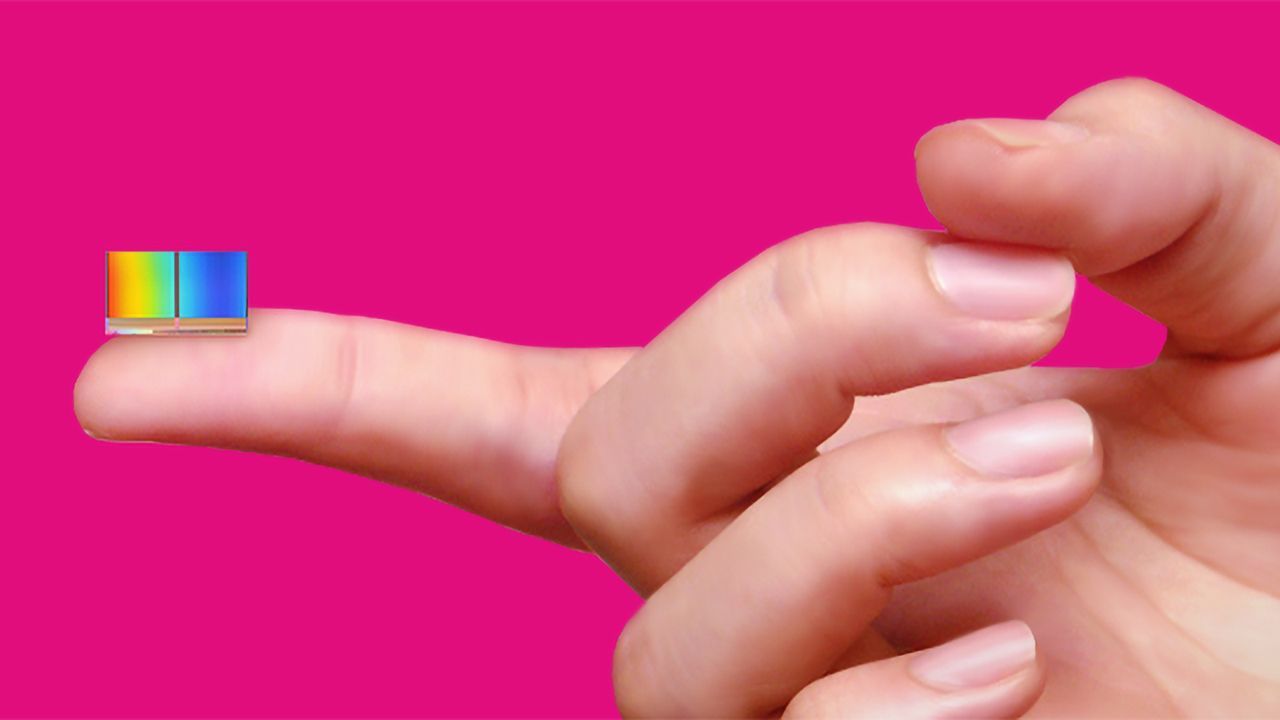
Redefining Storage Density: Kioxia and Sandisk Unveil the World’s Densest NAND
In the high-stakes world of data storage, where capacity and speed are constantly battling for supremacy, Kioxia and Sandisk have entered the arena with a major breakthrough. They have formally introduced their latest BiCS10 3D QLC NAND device, setting a new benchmark for storage density and aiming directly at the massive demands of modern data centers.
This new generation of flash memory shatters previous records, achieving an areal density of 37 Gb/mm2, making it the world’s densest 3D NAND storage device formally introduced to date. This achievement is crucial for infrastructure that relies on maximizing every bit of physical space.
The technology behind this remarkable chip boasts an impressive structure featuring 332 active layers. Beyond sheer density, the BiCS10 architecture supports blazing fast data throughput, offering an interface speed of up to 4,800 MT/s, complemented by a separate command address (SCA) capability for streamlined operations.
While specific chip capacities remain commercially undisclosed, industry estimates suggest this cutting-edge device could offer staggering potential. Based on similar die sizes and memory cells to previous iterations, the new memory segment is speculated to hold approximately 1.33 Tb of capacity, positioning it as a powerhouse for ultra-high-capacity solid-state drives (SSDs).
But the innovation doesn’t stop at density. Recognizing that high performance must be paired with efficiency, Kioxia and Sandisk integrated the power-isolated low-tapped termination (PI-LTT) technique. This advanced feature is designed to reduce the power consumed by high-speed output drivers without compromising signal integrity, directly addressing the growing concern over energy efficiency in data center operations.
By harnessing their latest BiCS10 process technology, the joint effort allows the manufacturers not only to achieve record bit density but also to realize cost efficiencies compared to competing high-density 3D QLC NAND ICs once manufacturing yields stabilize. This potential for lower production costs promises a significant competitive edge.
“By redefining the performance and efficiency envelope of QLC NAND, our 10th Generation BiCS QLC 3D flash memory delivers simultaneous gains in density, bandwidth, and energy efficiency and establishes a new paradigm for high‑capacity flash storage to provide a scalable foundation for next‑generation infrastructure applications,” noted Alper Ilkbahar, chief technology officer at Sandisk.
The immediate focus for Kioxia and Sandisk is clearly the data center market. Their goal is to supply AI-oriented SSDs that demand both immense capacity and superior performance. As they look toward the future, it remains to be seen when these groundbreaking ICs will transition from research labs into client-facing storage solutions.
Buy on Amazon
Credit

