
US crackdown on China’s networking tech for data centers
Securing the Light: The FCC’s Push to Tame the Data Center Supply Chain
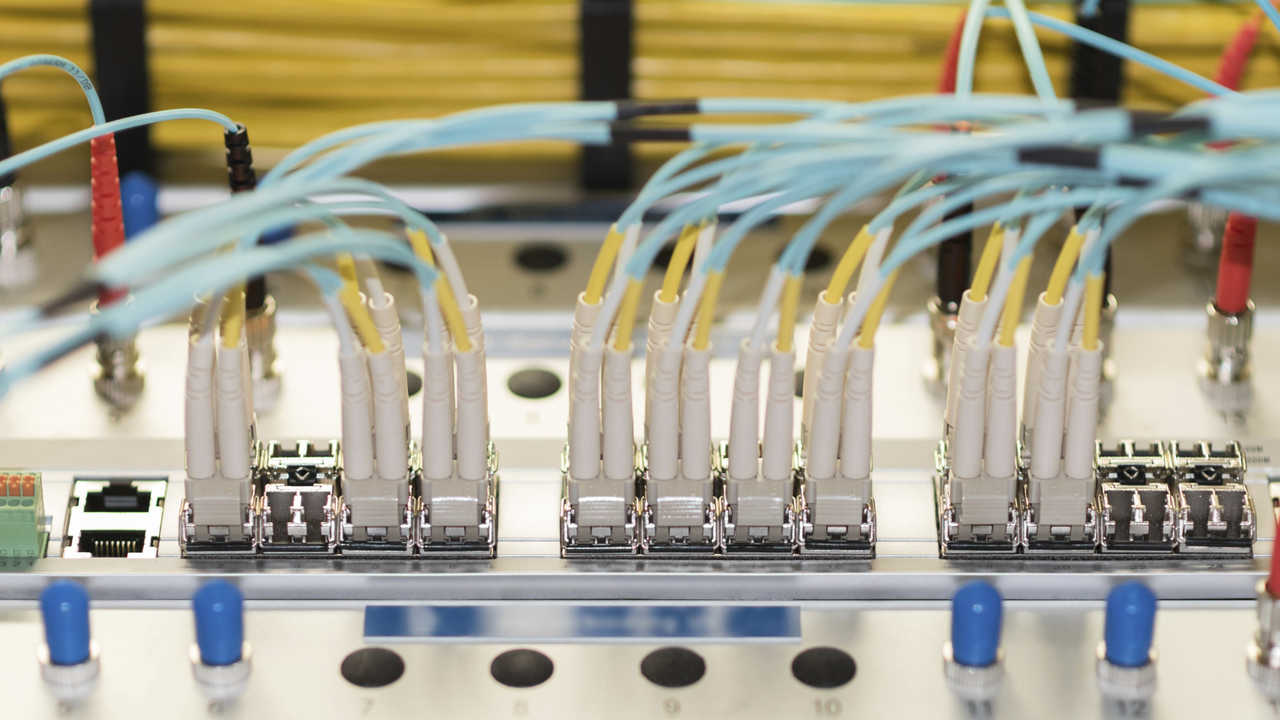
As artificial intelligence and massive data center buildouts continue to reshape the technological landscape, the underlying infrastructure—specifically the components that move the flow of information—is facing unprecedented scrutiny. At the center of this growing tension is a potential ruling by the U.S. Federal Communications Commission (FCC) aimed at controlling the import of Chinese-made optical transceivers, the critical components that allow data centers to convert electrical impulses into light and vice versa.
These sophisticated optical transceivers are not mere gadgets; they are the unseen engine powering modern digital life. They offer a significant advantage over traditional copper wiring by requiring less electrical energy and enabling vastly faster data transmission. As AI demands escalate, making energy efficiency and speed paramount, experts argue that securing the supply chain for these components is no longer optional—it is a matter of national security.
AI policy experts are raising concerns that allowing unrestricted access to these specialized components could introduce vulnerabilities into U.S.-based data centers. The fear is that these devices could be leveraged to steal sensitive data, install malware, or fundamentally disrupt essential data center operations, demanding that the administration ensure the supply chain is secure from the start.
The competitive technology space for these high-speed components is complex. While several U.S.-based manufacturers exist, such as Lumentum and Coherent, they currently lack the global scale of market leaders like Innolight, which commands a commanding 27% share of the worldwide market. This dynamic underscores why regulators are focused on controlling the flow of these critical technologies.
This action is part of a broader pattern of regulatory shifts affecting foreign-made technology in the United States. The FCC has recently implemented various bans targeting Chinese or China-connected entities, ranging from drones and routers to advanced robotic devices. These measures highlight an ongoing effort to balance innovation with national security interests.
While companies are urged to comply, the regulatory environment allows for some flexibility. Entities like Netgear and Amazon have successfully secured conditional approvals, allowing them to continue importing foreign-made models through specific deadlines. Similarly, other companies are actively seeking these exemptions, demonstrating that while broad bans exist, the reality of international trade requires nuanced navigation.
Geopolitical tensions further complicate this technological trade. The Chinese embassy in Washington has urged the United States to refrain from threatening companies with sanctions and to heed rational voices from both nations’ business communities. They have warned that any action causing material harm to their interests would prompt a response, recalling past measures taken in response to U.S. trade actions.
Ultimately, the situation reflects the tightrope walk of modern technological policy: how to foster global innovation while ensuring domestic security and stability. The push by the FCC is less about stifling progress and more about ensuring that the foundations of the next generation of AI data centers are built on a secure and reliable framework.
Credit

