Intel targets 14A mass production by 2028 amid sales growth
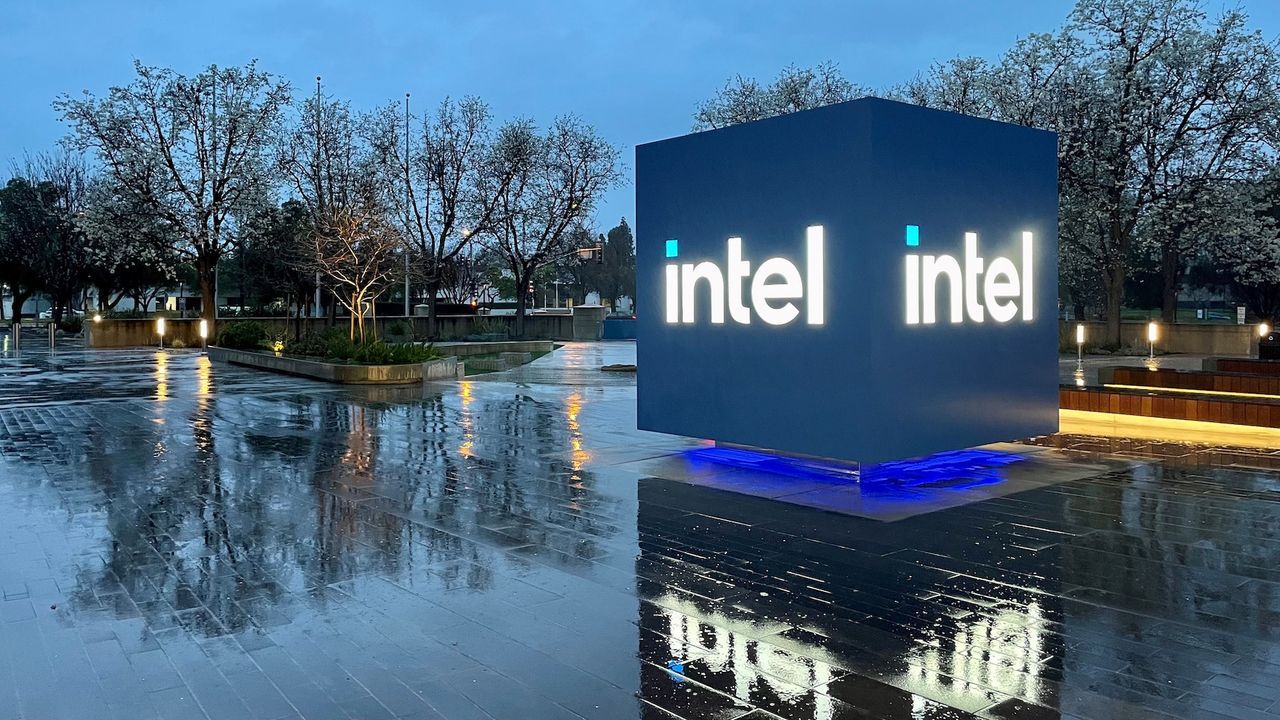
Intel Fuels Future with Record Revenue Amidst Race for Advanced Chipmaking
Intel recently released its financial results for the second quarter of 2026, painting a picture of robust demand in the semiconductor market. The company reported revenue of $16.1 billion, marking a significant 25% rise year-over-year, driven by surging demand for both client computing solutions and expansive data center products.
This strong performance underscores Intel’s position at the forefront of technological evolution. The engine driving this growth is clearly AI and high-performance computing (HPC), which has created an insatiable appetite for advanced silicon infrastructure.
The Data Center and AI (DCAI) segment led the charge, delivering exceptional growth. Sales climbed 59% year-over-year to $6.3 billion, fueled by relentless demand for Xeon processors and the rapid deployment of new AI infrastructure. Intel noted that server growth in the second quarter was the strongest on record, confirming that the market is rapidly adopting their latest processing capabilities.
Beyond external sales, Intel’s internal product lines are also thriving. The Client Computing and Physical AI Group (CCPG) generated $8.9 billion in revenue, up 13% year-over-year. Crucially, this growth was attributed not just to increased unit sales but to higher average selling prices (ASP), reflecting supply constraints and the premium value of their cutting-edge offerings.
The strategic shift toward advanced manufacturing technology is equally vital. To meet the accelerating demands of the AI era, Intel is aggressively pursuing its own fabrication roadmap using the 14A (1.4nm-class) fabrication technology. This ambitious plan aligns with industry trends, positioning Intel to compete directly in the most demanding segments of the market.
Intel has set a clear timeline for this transition. The company plans to initiate risk production using the 14A node internally in the second half of 2027, aiming for high-volume manufacturing (HVM) ramp in 2028. This strategic commitment places Intel on track to become a major player in next-generation chipmaking.
Meanwhile, the Integrated Foundry segment is demonstrating positive momentum. Revenue from the Intel Foundry reached $5.8 billion, an impressive 31% increase year-over-year as production ramped for its 18A process. Furthermore, operational efficiency improved markedly, with operating losses dropping substantially due to better yields and increased factory scale across their advanced lines.
While the financial reporting reflected complexities—including mark-to-market losses related to government agreements—the underlying operational health remains strong. The company’s non-GAAP net income stood at $2.2 billion, showcasing profitable core operations supported by a gross margin that increased to 40.1%.
Looking ahead, Intel provided guidance for the third quarter, projecting revenue between $15.8 billion and $16.8 billion, alongside expectations for strong profitability and continued growth as the company accelerates its mission to deliver cutting-edge silicon solutions for a demanding world.
Buy on Amazon
Credit
