
All-in-one security isn’t just easier it’s essential
In today’s connected world, managing digital security across a sprawling ecosystem of devices feels less like protecting a fortress and more like juggling a dozen different keys. Most families don’t rely on a single computer; instead, they navigate a landscape populated by Windows 11 laptops, macOS gadgets, Android phones, iPhones, smart TVs, and countless cloud services, all linked by the home Wi-Fi network. While this convenience is wonderful, it introduces a critical vulnerability: when security solutions are fragmented, the weakest link in the chain can compromise the entire household.
Attackers are smart; they don’t need to break into one door when they can exploit inconsistencies across multiple systems. This fragmented approach creates obvious security gaps—a Windows laptop might have robust antivirus protection, while a child’s Android tablet remains exposed, leaving an open vulnerability for malicious actors. This lack of unified defense significantly increases household risk.
The real danger lies in what security experts call lateral movement. If one device is compromised by malware, it can scan the network and spread that infection to other unprotected devices. When families rely on separate, specialized apps for each gadget, this opportunity for attack is significantly amplified by configuration errors and missed updates. Furthermore, data breach investigations consistently show that a large percentage of incidents involve human mistakes, such as misconfigurations or falling prey to phishing scams, highlighting the need for simplified security.
This complexity presents a clear solution: all-in-one protection. A unified security system eliminates the tedious task of managing separate settings and alerts, ensuring every device operates under the same protective umbrella. This reduction in configuration friction means families spend less time worrying about disparate systems and more time enjoying their connected lives.
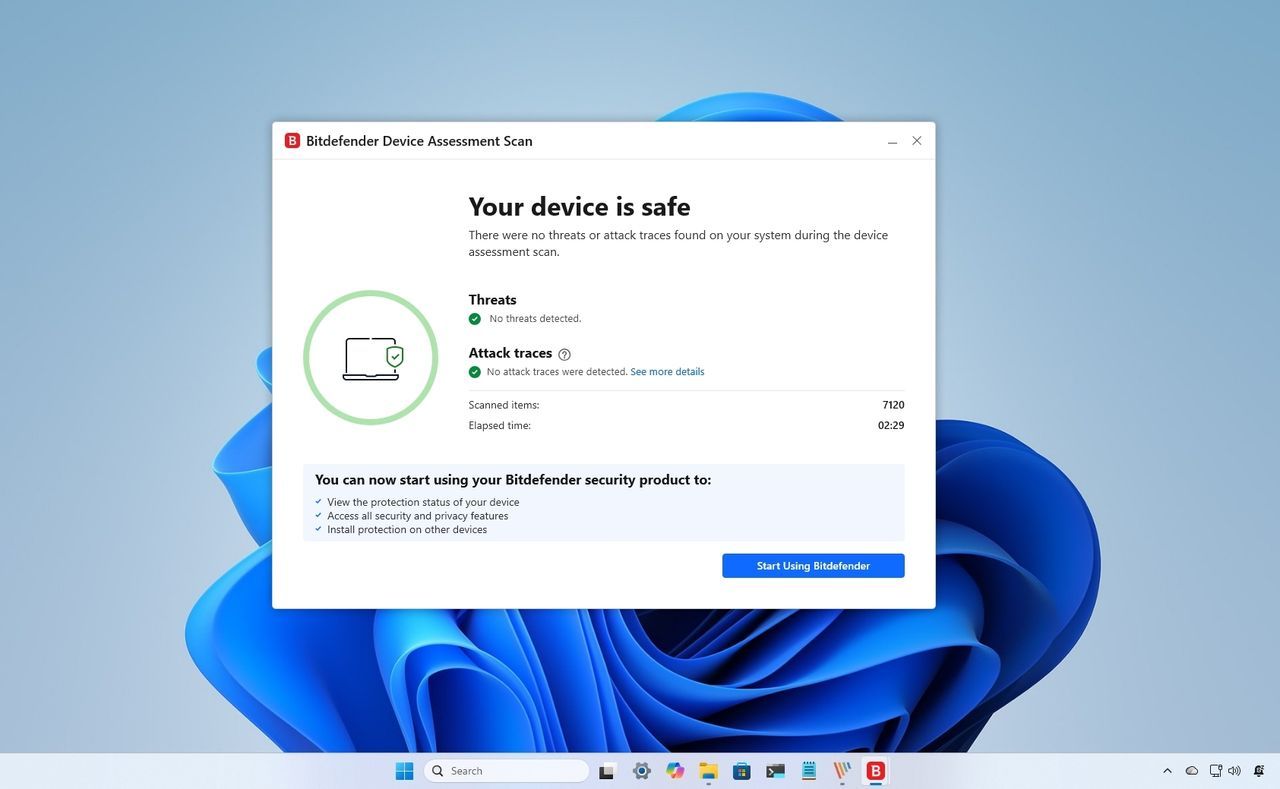
Security providers have stepped up to meet this need by offering comprehensive suites designed for mixed environments. For instance, a solution like Bitdefender Total Security acts as a seamless multi-device coverage starting point, bringing Windows 11, macOS, iOS, and Android under one unified dashboard. This centralized approach ensures that every device shares the same advanced threat detection capabilities, blocking malware and zero-day threats effectively.
Beyond basic device protection, some suites expand to encompass personal privacy and identity safeguarding. Options like Bitdefender Premium Security remove common limitations, such as data caps on VPNs, which often cause users to avoid essential privacy tools. For those who frequently use public Wi-Fi or travel, an integrated unlimited VPN provides the necessary layer of encrypted protection without frustrating data restrictions.
The most advanced tiers focus on identity and financial safety. Bitdefender Ultimate Security introduces identity-first protection, offering tools that monitor across thousands of web sources and dark-web locations, coupled with up to $2 million in identity theft insurance. This layer addresses the broader concern: protecting personal data and financial assets, not just hardware.
Furthermore, integrating services makes life easier for busy households. Built-in password managers help families create and sync strong, unique passwords across all devices, drastically reducing the risk associated with password reuse. Ultimately, a robust security setup is only as strong as its consistency. By moving from a patchwork of separate applications to an integrated system, families gain a consolidated defense that manages device safety, account privacy, and identity protection seamlessly.
Credit

